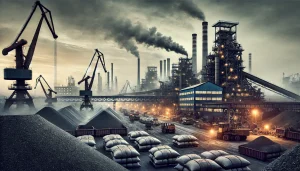
China, the world’s largest steel producer, is facing an unprecedented crisis in its steel industry, driven by a prolonged downturn in the real estate sector and subdued economic growth. This crisis has significantly impacted the demand for steel, resulting in sharp declines in both steel and iron ore prices. As a result, iron ore is on track for its worst performance since March 2024, with prices falling to their lowest levels since 2022. Despite entering what is usually a busier construction season, there is little optimism about a swift recovery for China’s steel sector
Key Drivers of the Crisis
The primary cause of the steel crisis is China’s sluggish real estate market, which has seen a protracted slump that is wiping out a substantial amount of demand for steel. The economic ripple effect of this slump extends beyond construction, impacting overall industrial activity and manufacturing output. Compounding the problem, the broader Chinese economy is grappling with weak manufacturing activity and softening exports, which further dampens steel demand. Factory activity in China has contracted for four consecutive months, indicating persistent economic weaknesses that continue to drag on the steel sector
In addition, China’s steel mills are grappling with high inventories of iron ore, which have ballooned to over 150 million tons, an unusually high level for this time of the year. This glut is exacerbating the downward pressure on iron ore prices, with iron ore futures trading below $100 a ton in recent weeks, a significant drop from earlier highs this year
Industry Warnings and Outlook
Warnings from major industry players have painted a bleak picture. China’s largest steel producer, China Baowu Steel Group Corp., described the situation as a “long and harsh winter” that could be even more challenging than previous downturns in 2008 and 2015. Baowu and other leading producers have called for “self-discipline” within the industry, urging mills to avoid ramping up production too quickly despite any short-lived signs of recovery. They fear that a rush to increase output could lead to further oversupply and drive prices even lower
Goldman Sachs and other financial analysts have echoed these concerns, suggesting that the environment for iron ore and steel will remain challenging in the near term. With steelmakers incurring losses and few signs of a rebound in demand, there is little incentive for mills to increase production, despite the traditional seasonal uptick in construction activities during the autumn months
Global Implications
The impact of China’s steel crisis is not confined to its domestic market but has far-reaching consequences for the global steel and iron ore industries. China’s slowdown has led to a surge in steel exports as domestic producers seek to offset losses by selling abroad. This has heightened competition in international markets, causing global prices to fall and triggering trade tensions, as seen with increased calls for protective measures from European and North American producers. Companies like ThyssenKrupp AG and ArcelorMittal have already reported significant declines in earnings due to the influx of cheaper Chinese steel, signaling the broader impact of China’s internal struggles on the global steel trade(
The outlook for China’s steel industry remains bleak as the country grapples with persistent economic headwinds. Analysts caution that any improvement is likely to be short-lived without substantial changes in domestic policy or a significant uptick in economic growth. The global iron ore market, in turn, will continue to face volatility as it adjusts to the oversupply and weakened demand emerging from China, the world’s largest consumer of this critical raw material.
This crisis not only highlights the vulnerabilities within China’s industrial framework but also underscores the interconnected nature of global commodities markets, where shocks in one major economy can send ripples worldwide.