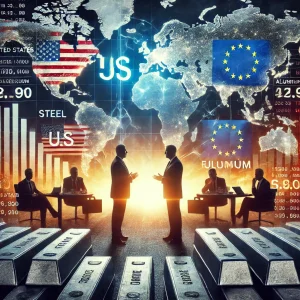

Hot rolled coil (HRC) is at the forefront of a dramatic shift in the global steel industry. The European Union’s €800 billion industrial strategy, championed by former Italian Prime Minister Mario Draghi, seeks to position the EU as a leader in green steel production. Across the Atlantic, Donald Trump’s re-election has raised the specter of aggressive trade policies, including substantial tariffs on Chinese steel imports, which could profoundly alter supply chains. These developments have major implications for investors and manufacturers, who must navigate a complex landscape defined by sustainability goals and geopolitical tensions.
Hot Rolled Coil (HRC): The Backbone of Industry
Hot rolled coil (HRC) is an essential product in construction, automotive manufacturing, and pipe production. Its versatility and relative cost-efficiency make it a cornerstone of industrial activity. With downstream products like cold rolled coil commanding a premium of €100 ($105) per metric ton, HRC often serves as the starting point for high-value manufacturing.
In Europe, HRC demand is set to soar as the EU’s industrial strategy begins rolling out in 2025. The plan includes major investments in infrastructure and a transition to sustainable steel production processes. As a key material for building projects and renewable energy installations, HRC’s role in this green transformation cannot be overstated.
“This plan could increase hot rolled coil (HRC) consumption significantly, provided the green transition doesn’t overly strain costs,” said Anna Müller, a senior analyst at EuroSteel Research. “The focus on sustainability presents both an opportunity and a challenge for manufacturers.”
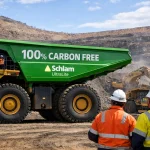
Green Steel and the EU’s Industrial Strategy
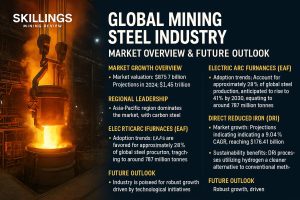
The European Commission’s strategy includes funding for low-carbon steel production technologies such as hydrogen-based steelmaking and electric arc furnaces. These methods aim to drastically reduce carbon emissions, aligning the bloc with its net-zero goals by 2050. The strategy’s €800 billion price tag will be allocated over five years, with a significant portion dedicated to modernizing steel infrastructure.

For hot rolled coil (HRC), this shift could translate into steady demand growth. The construction of wind farms, solar installations, and electric vehicle charging networks—cornerstones of Europe’s green agenda—relies heavily on steel products. While this is good news for manufacturers, the cost of transitioning to green technologies remains a sticking point.
Iron ore prices, a key input for HRC production, have been volatile. As of November 21, the benchmark 62% Fe iron ore traded at $101.95 per metric ton, an 11.62% increase since September. Rising raw material costs could create short-term challenges for steelmakers, particularly those investing in costly low-carbon technologies.
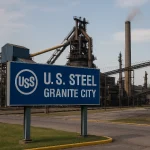
Trump’s Tariffs: A Wild Card for HRC Prices
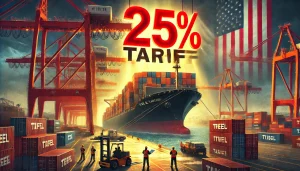
Meanwhile, the U.S. steel industry faces potential upheaval under Donald Trump’s leadership. Trump, who secured a second term after defeating Kamala Harris in the November election, has renewed his focus on trade protectionism. Industry insiders anticipate tariffs on Chinese steel imports as high as 60-100%, reigniting fears of a global trade war.
For hot rolled coil (HRC), the implications are profound. If Chinese steel is redirected to Europe, manufacturers in the EU could face intensified competition, even as they invest heavily in green production. On the other hand, U.S. producers might benefit from reduced import competition, though higher input costs could erode margins.
“Trump’s policies are likely to have a ripple effect,” said John Simmons, a trade expert at GlobalSteel Insights. “Hot rolled coil (HRC) prices might stabilize in Europe but rise in the U.S., forcing investors to reallocate resources strategically.”
U.S. manufacturers reliant on HRC could face higher costs, particularly if tariffs extend to raw materials like iron ore. This could strain sectors such as construction and automotive, both of which are already grappling with inflationary pressures.
HRC and the Global Supply Chain
The interplay between Europe’s green ambitions and U.S. trade policies will have lasting implications for global steel markets. In the short term, rising input costs and logistical bottlenecks could disrupt pricing. For example, the construction sector—one of the largest consumers of hot rolled coil (HRC)—is sensitive to both material costs and project delays.
In Europe, the focus on sustainability is expected to drive long-term demand for HRC. The EU’s commitment to decarbonizing its industrial base aligns with broader global trends, such as the Paris Agreement, which have prioritized environmentally friendly practices. However, achieving these goals requires significant investment in technology and infrastructure, which could strain smaller manufacturers.
In the U.S., Trump’s policies are likely to exacerbate volatility. If tariffs are enacted, they could trigger retaliatory measures from trading partners, further complicating global supply chains. For investors, understanding the interplay between these forces will be key to identifying opportunities in the steel sector.
Investment Opportunities in Hot Rolled Coil (HRC)
Despite the uncertainties, hot rolled coil (HRC) remains a compelling investment target. Europe’s industrial strategy could create growth opportunities for companies aligned with green technologies, such as those producing hydrogen-based steel. Investors should also monitor emerging markets like India, which could benefit from shifting trade dynamics.
Manufacturers investing in low-carbon technologies stand to gain from government incentives and increased demand for sustainable products. However, those operating in the U.S. must prepare for potential disruptions from tariffs and higher raw material costs.
Iron ore volatility also warrants attention. With prices fluctuating amid supply chain disruptions and geopolitical tensions, securing stable input sources will be critical for maintaining profitability.
Conclusion: Navigating the Future of HRC
Hot rolled coil (HRC) is poised to play a central role in the steel industry’s evolution. Europe’s ambitious green strategy and Trump’s potential tariffs represent two sides of a transformative period for global steel markets.
For investors, the key lies in balancing short-term risks with long-term opportunities. Manufacturers must navigate a dual challenge: meeting sustainability targets while managing geopolitical uncertainty. As the steel industry adapts to these shifting dynamics, hot rolled coil (HRC) will remain a critical indicator of market trends and investment potential.