Sudan Gold Production Policies Post-Coup
Sudan’s permission for private merchants to export gold as a countermeasure to smuggling may come under attack after yesterday’s coup, directly impacting Sudan gold production. The policy previously helped the country’s cash-strapped government raise crucial foreign money.

Previously, the Central Bank of Sudan functioned as the only institution authorized to purchase and export the precious metal. The bank also set up specialized facilities for small-scale miners to sell their yields.
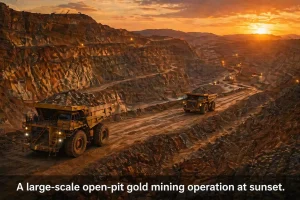
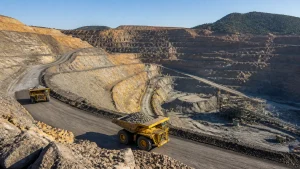
In 2018, official records showed that Sudan gold production hit 93 tons. This immense output made the nation Africa’s third-largest producer, trailing only South Africa and Ghana. Energy and Mining Minister Adil Ibrahim shared this exact data with Reuters.
Before new banking rules began, the central bank bought gold cheaply. It consistently paid less than the world market price. Government sources claim smugglers took 70 to 80 percent of the nation’s total mining output abroad.
- Read More: Russia Boosts Gold Reserves — Mining Stakes Rise Globally
- Read More: China’s Gold Imports Soar — Driving Mining Sector Boom
Industrial Realities and Mining Challenges
Economic realities in Sudan’s industries cause major operational consequences. The nation’s manufacturing exports lack diversification and use low-level technology. These exports depend heavily on the basic metal extractive sub-sector.

In 2016, an industry analysis showed basic metals formed 88.5 percent of exports. Other industrial exports include low-tech food, beverage, and leather manufacturing.

Mining heavily boosts the economy, and expanding Sudan gold production remains a primary focus. The sector employs over 15 percent of the national workforce. Most of these workers previously transitioned from the agriculture sector.
The government faces major challenges in reaching sustainable development goals. Mining causes severe environmental effects and health dangers for workers. Security forces also control and participate in the industry. These factors hinder political stability.

Parallels With the Oil Sector
The mining industry mirrors past trends in Sudan’s petroleum sector. Between 2000 and 2011, crude oil formed 85 percent of total exports. South Sudan’s market share fell to 24 percent in 2012. Industry reviews showed a rapid capacity loss was inevitable.
In September 2020, ministry presentations revealed a specific focus. Officials prioritized developing wells in known oil regions. They neglected to invest in new exploration wells. Consequently, recent oil exports relied entirely on old wells. Explorers originally found these wells in the 1970s and 1980s.
The nation never announced plans to reduce oil output. Therefore, observers cannot justify this strategy. The Energy Ministry explained the lack of exploration work. Exploratory wells made up just 23 percent of drilling from 2000 to 2019. The ministry prioritized private sector returns over strategic development goals.
Community Action and Policy Influence
Mining and oil production provide a huge portion of exports. However, they also spark social unrest. Industry opponents and locals argue over environmental harm. Unmet developmental needs also fuel these ongoing disputes.
Local communities now force their way into policymaking. They actively promote and protect their own agendas.
Community struggles in gold regions forced new environmental laws. Officials audited gold manufacturers as a direct result. These actions closed some facilities and relocated others.
Residents in oil-producing regions fought for higher local earnings. These locals successfully won those financial increases.
Communities now negotiate their roles on audit committees. They work across both public and commercial sectors. These groups demand economic growth that remains sustainable and inclusive.