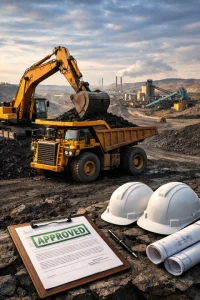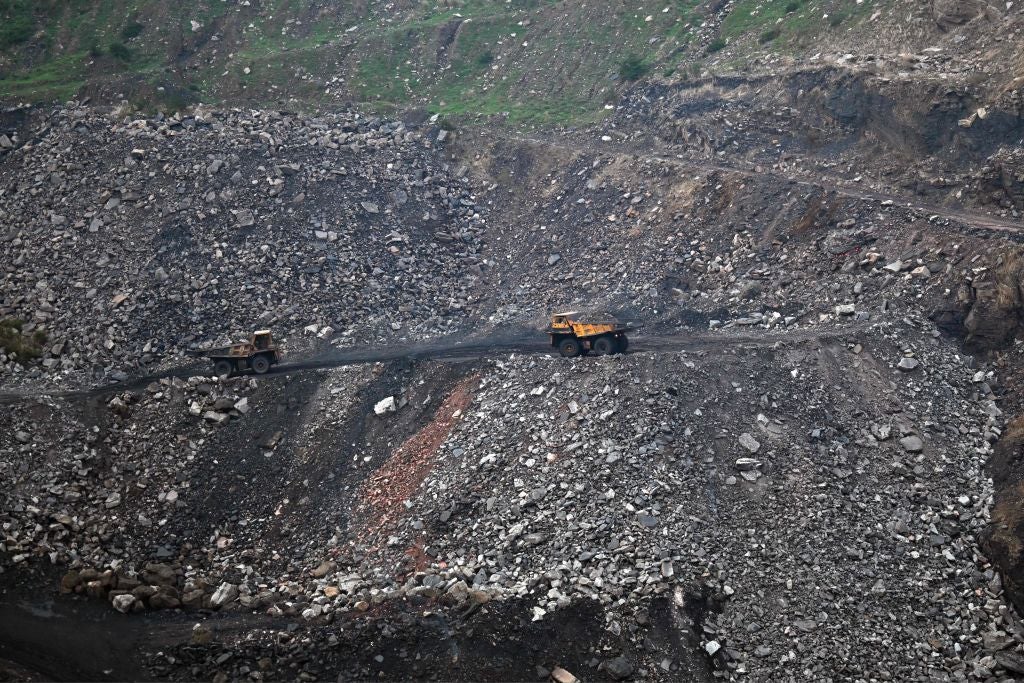
The auction will see 26 mines from four states handed out; 12 in Madhya Pradesh, eight in Chhattisgarh, five in Jharkhand and one in the southern state of Telangana.

Seven of the 26 mines have already been fully explored, with the remaining 19 largely explored, the Ministry of Coal said in a press statement on Monday. The majority of the mines on sale generate non-coking coal.
The purpose of the commercial auction is to “enhance the participation of more private players in the coal sector, fostering competition, efficiency, innovation and contributing to sustainable development,” the ministry said.
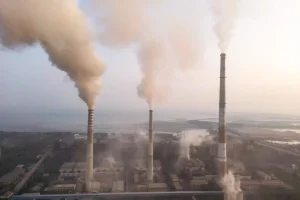
This year, India has worked towards boosting domestic production of coal, which remains the country’s primary energy source, although its stance on the fossil fuel has become complicated as it tries to balance meeting increased demand with calls for a complete phase-out of coal by international bodies.
Related News
- Blood on the Mountain: Why you should watch this Coal Mining movie
- Ukraine Coal Mines Confront Increasing Challenges and Risks Amidst Russian Invasion
- America’s Coal-Fired Power Stations: An Overview of the Nation’s Energy Landscape
- Building Carbon Neutral Mines: A Sustainable Future for the Mining Industry
- Unveiling the Top 10 Coal Mining Stocks for Investors Eyeing the Energy Sector’s Potential
A research by energy watchdog worldwide Energy Monitor, issued in April, warns that worldwide coal power must be phased out five-times faster if climate objectives are to be maintained. At the outset of the year, the government announced that no coal-fired power facilities will be retired until at least 2030 in an attempt to ensure energy security.
More Read
In March, India’s Coal Minister, Pralhad Joshi, indicated that the country will have adequate coal reserves by 2026 to begin exporting the fuel, a move that would change India from a net importer to a net exporter of coal. Then in May, the Ministry of Coal announced that the country had boosted domestic coal production by 47% over the last nine years.

India’s commitment to coal power weakened in the second part of this year. In May, the government announced forth intentions to dismantle around 30 coal mines over the following three years, indicating that it will use the free area for reforestation and enhancing water supplies. One month later, the ministry said that it will not examine any plans for new coal plants for the next five years as it seeks to enhance its renewables capacity. Currently, the country is the second-biggest consumer and producer of coal after China.
More recently, at the end of November, the government announced intentions to revitalise India’s struggling underground coal mining industry as the struggle to fulfil surging power demand across the country continues. Most of India’s domestic coal production comes from opencast mines.

The ministry now plans to increase output from its underground coal mines by 2028 after the industry has remained in decline for decades. In its press statement on the latest coal mine auction round, the ministry underlined its “unwavering commitment to propel the [coal] sector forward”.