Papua New Guinea is preparing to take control of Barrick Gold’s (TSX: ABX) (NYSE: GOLD) Porgera mine. The government refused to extend the company’s mining lease, citing social and environmental concerns.
Reported by Skillings Minging Reviews

“”The Special Mining Lease will not be renewed in the best interests of the state,” Prime Minister James Marape said. He cited environmental damage, outstanding compensation claims, and unresolved resettlement issues as the main reasons for the decision.
The decision comes nine months after the original mining lease expired. During that period, the operators of the Barrick Gold Porgera mine faced strong opposition from local residents and landowners. They argued that the mine had caused serious social, environmental, and financial impacts. Furthermore, divisions among landowner groups complicated negotiations with the government.
The Extension Dispute and Financial Proposals
Barrick Niugini Limited, the manager of the Barrick Gold Porgera operation, originally applied for a permit extension in June 2017. This extension would have renewed its mining rights for 20 years. According to an official company statement, executives had engaged with the government on this issue ever since.
In 2019, Barrick proposed a new benefit-sharing arrangement in response to a direct request from Marape. The company claimed the deal would deliver over half of the economic benefits to PNG stakeholders, including the national government, for the next two decades.
Tier One Possible
Barrick’s president and chief executive officer, Mark Bristow, had stated last month that Porgera had “tier one potential” but faced many challenges in the form of “legacy problems and an unruly neighbourhood.”
The gold mine, situated in the northern highlands region of PNG, is a joint venture between Barrick and Zijin Mining. Each own 47.5% of this mine, with the remaining 5% held by landowner group Mineral Resources Enga.
The government has stated it intends to give a portion of Barrick and Zijin’s stakes to the landowners and the national and provincial governments.

“After the transition period has been completed, then the state will enter into owning and operating the mine after transition arrangements,”
Marape said in a televised speech from the capital Port Moresby.
Porgera contributes to approximately 10% of the nation’s exports and employs over 3,300 Papua New Guinea nationals.
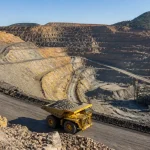
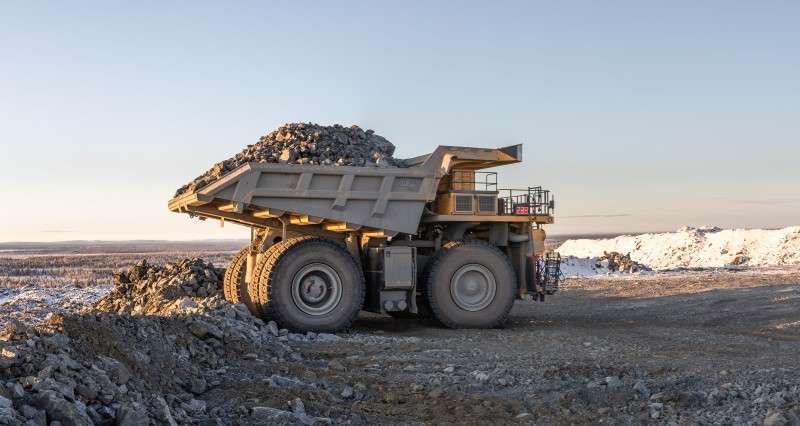
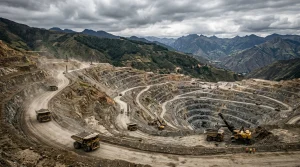
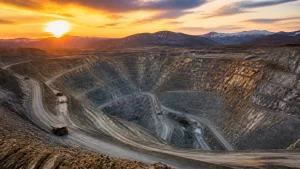
The Open pit and underground gold mine sits in Enga province at an altitude of 2,200-2,600 metres and is about 600 km northwest of Port Moresby.
“We don’t have enough details on the implications of the decision yet, including the timing of the transition,” Jackie Przybylowski of BMO Capital Markets said in a research note.
“Barrick has warned that it will seek all legal avenues to challenge the government’s decision and also to recover any damages. We anticipate that discretionary spending, such as development Capex, will be lessened throughout the current period of uncertainty,” Przybylowski noted.
The mining analyst also said that “while removing Porgera from Barrick’s portfolio could have a negative financial impact, it would improve the ESG performance of their organization’s portfolio going forward.”
“Barrick reports allegations of human rights violations in the region on its website,” she pointed out, “including allegations of ‘extreme’ violence linked to local police forces or private security forces acting on behalf of the joint venture.”
Other mining firms operating in PNG, including Australia’s Newcrest (ASX: NCM), have not been affected by the decision regarding Porgera.
The miner has “welcomed” the Prime Minister’s support for its Wafi Golpu gold and copper asset, adding that its special mining lease in the Lihir operations remains in good standing having a lease renewal not expected until 2035.