Lithium Brine Project, LithiumBank Resources Corp. has announced a significant finding
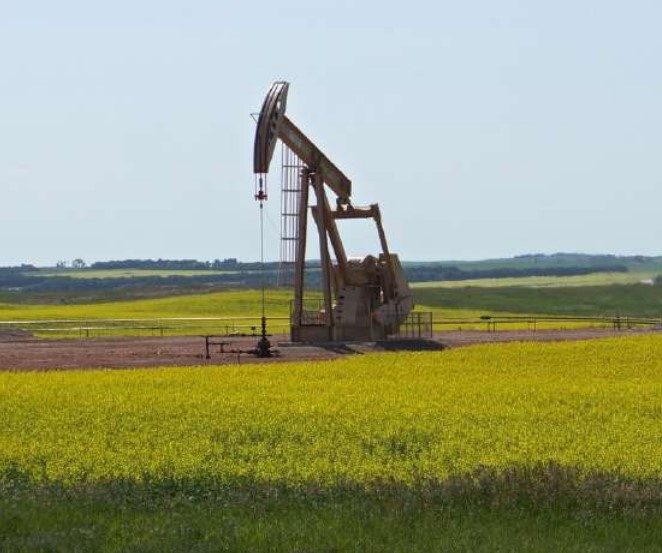
In Alberta, Canada’s Park Place Lithium Brine Project (PPLP), LithiumBank Resources Corp. has announced a significant finding. According to the hydrogeological research completed by Matrix Solutions Inc., the project has the greatest lithium-bearing brine deposit in terms of volume in North America, with a total of 76.3 billion cubic meters of brine. The total amount of natural gas extracted includes 49.8 billion cubic meters from the Leduc Formation and 26.5 billion cubic meters from the Swan Hills Formation.

The Leduc and Swan Hills formations, situated 180 km west of Edmonton, exhibit encouraging lithium quantities, as seen by samples exhibiting lithium content ranging from 76 mg/L to 130 mg/L. The deposits’ significant porosity and linked structure render them very suitable for extracting lithium on a big scale. LithiumBank’s recent finding has positioned the company strongly in the direct lithium extraction (DLE) sector, providing substantial opportunities for future commercial production.
Related News
- Mining in Conflict Zones: Challenges and Prospects for 2024
- Revolutionizing Quartz Mining: TOMRA’s Sensor-Based Sorting Unlocks Full Value Potential
- The Untold History: Enslaved Africans and their Role in the U.S. Mining Industry
- Mysteries of Stonehenge: The Significance of Minerals in the Historic Structure
Rob Shewchuk, the Chief Executive Officer of LithiumBank, emphasized the significant value of this discovery, affirming that it confirms the effectiveness of their acquisition strategy and establishes the company as a prominent participant in the worldwide lithium market. The firm intends to finalize an NI 43-101 Resource Estimate by Q2 2023, which will facilitate the development of a Preliminary Economic Assessment (PEA) for the project.
LithiumBank’s emphasis on environmentally conscious DLE technology corresponds with the increasing need for sustainable energy alternatives. This strategy is anticipated to yield a decreased carbon footprint and diminished water use in comparison to conventional extraction methods.