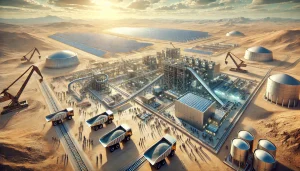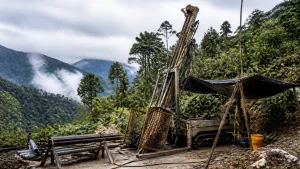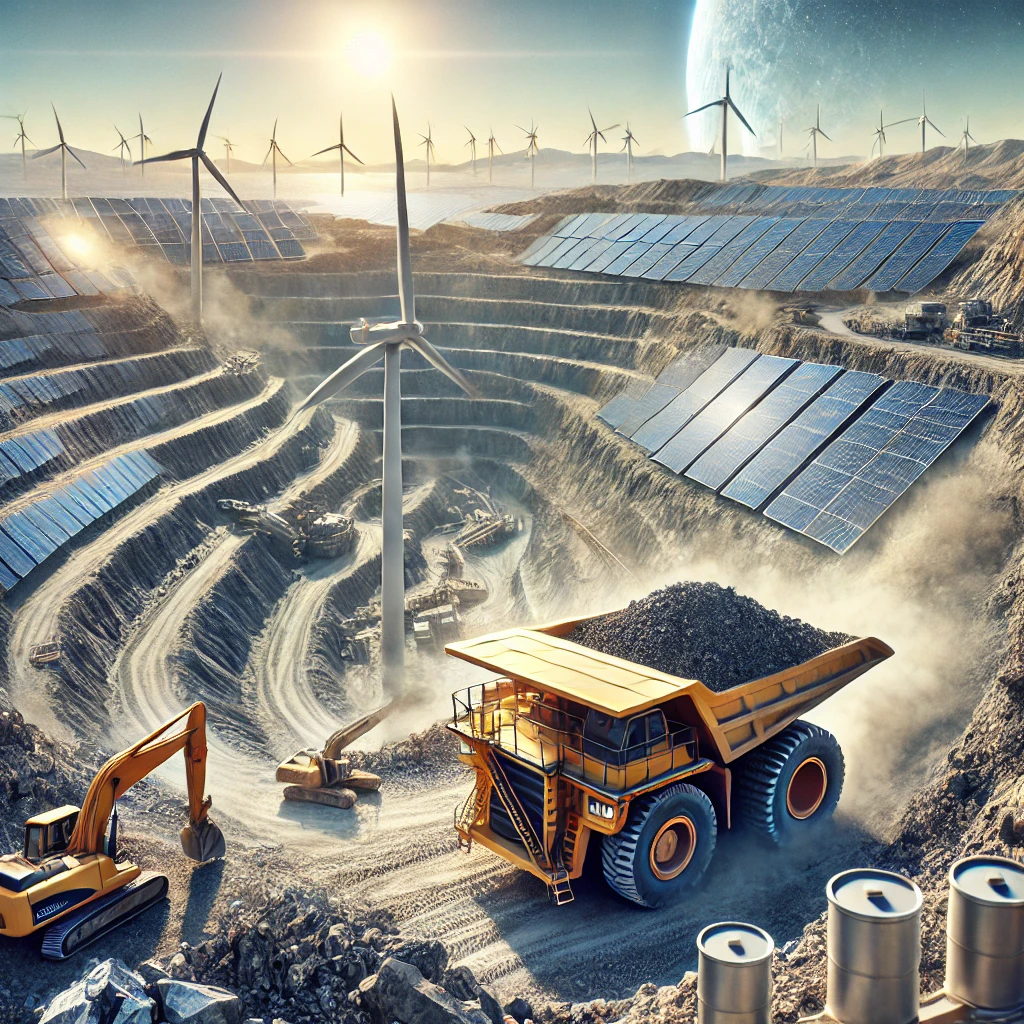
New York, USA – September 23, 2024 – A newly released report from the World Economic Forum (WEF) highlights the urgent issue of mineral supply shortages, which are critical for advancing the global energy transition. These shortages, involving essential minerals like lithium and copper used in electric vehicles and solar panels, could significantly hinder efforts to achieve climate targets. The report, Securing Minerals for the Energy Transition: Unlocking the Value Chain through Policy, Investment, and Innovation, emphasizes that without swift action, these supply gaps may lead to severe environmental and social challenges, particularly in developing nations..

The report, created in collaboration with McKinsey & Company, explores targeted solutions to bridge supply-demand gaps, emphasizing the importance of coordinated action from governments, industries, and communities.
Related News
- A Strategic Partnership for Canada’s Critical Minerals Future
- Giyani Metals Corporation Nears Commissioning of K.Hill Manganese Demo Plant in South Africa
- Ghana Chamber of Mines CEO Calls for Tighter Regulation to Boost Small-Scale Mining Success
- South Africa’s Ferroalloys Industry Adapts to Green Energy Pressures Amid Global Challenges
Critical Minerals at the Heart of Energy Transition
Critical minerals like lithium, copper, and rare earth elements are essential for technologies driving the energy transition. As global demand for these materials accelerates, particularly in clean energy sectors, existing supply chains are struggling to keep pace. According to the report, certain rare earth elements face severe shortages, threatening to slow the progress toward global climate goals.
Roberto Bocca, Head of the Centre for Energy and Materials at the WEF, stated, “Critical minerals are the backbone of the energy transition, yet the current supply shortfalls threaten to slow global climate progress. By fostering collaboration across industries and governments, and stimulating innovation and investment, we can unlock the full potential of these resources while ensuring sustainability and equity in the supply chain.”
Barriers to Mineral Supply Security
The report identifies three main barriers to securing a stable and sufficient supply of critical minerals:
- Financial Barriers: High capital costs and uncertain returns on early-stage mining projects deter necessary investments. These projects often require significant upfront capital with uncertain timelines for returns, which complicates funding.
- Regulatory and Policy Barriers: Lengthy permitting processes, complex regulatory frameworks, and a lack of infrastructure are impeding the development of new mining projects. Additionally, inconsistent demand signals for critical minerals create uncertainty for investors.
- ESG and Data Barriers: A lack of standardized environmental, social, and governance (ESG) frameworks, combined with transparency issues in mineral supply and demand data, hinders investor confidence and stakeholder collaboration.
Innovative Solutions for a Sustainable Future
To address these challenges, the report highlights several solutions that could bridge the supply-demand gap, including:

- Increased Investment: Both public and private sectors need to increase investments in new mining projects and existing operations. By improving mineral processing technologies, reprocessing waste materials, and advancing recycling, supply chains could become more resilient and sustainable.
- Policy Reform: Governments are encouraged to streamline permitting processes and reduce regulatory complexities. Clear, consistent demand signals for critical minerals would also help stabilize investment decisions and support long-term supply security.
- Multistakeholder Collaboration: The report emphasizes the need for cross-sector partnerships, involving governments, industries, start-ups, and local communities. This collaborative approach is essential to ensure that mineral extraction is both sustainable and equitable, providing long-term benefits to all stakeholders, especially in developing regions.
Michel Van Hoey, Global Co-Leader at McKinsey Metals & Mining, stated, “The development of projects with a favorable position on the cost curve and a robust business case will be key to closing the supply-demand gap for critical commodities.”
Next Steps: Securing the Supply Chain
The WEF’s Securing Minerals for the Energy Transition report concludes that coordinated global action is required to create resilient and sustainable mineral supply chains. The Securing Minerals for the Energy Transition (SMET) initiative, launched in partnership with McKinsey, is designed to foster collaborations to accelerate the transition. SMET brings together governments, international organizations, and the private sector to unlock the full potential of critical mineral resources.
More Read
Looking Forward: The Role of the Sustainable Development Impact Meetings
The release of the report coincides with the World Economic Forum’s Sustainable Development Impact Meetings 2024 in New York, where global leaders are gathering to discuss strategies to meet the United Nations Sustainable Development Goals. The meetings will focus on collaborative, multistakeholder solutions to the world’s most pressing challenges, including the secure supply of critical minerals.
The path to a clean energy future hinges on a secure, equitable, and sustainable supply of critical minerals. Without immediate action to address these shortages, the global energy transition could face significant delays, with widespread social and environmental consequences.