Alberta’s sweeping reforms to its coal industry, under the Coal Industry Modernization Initiative (CIMI), aim to balance environmental stewardship with economic growth. However, the contentious Grassy Mountain project in Crowsnest Pass is testing the government’s resolve.

Under CIMI, Alberta will prohibit mountaintop removal mining, block new open-pit mines in the foothills, and raise coal royalties for taxpayers. These measures come amid heightened concerns over environmental degradation and water contamination, particularly from selenium—a byproduct of coal mining that poses risks to aquatic ecosystems.
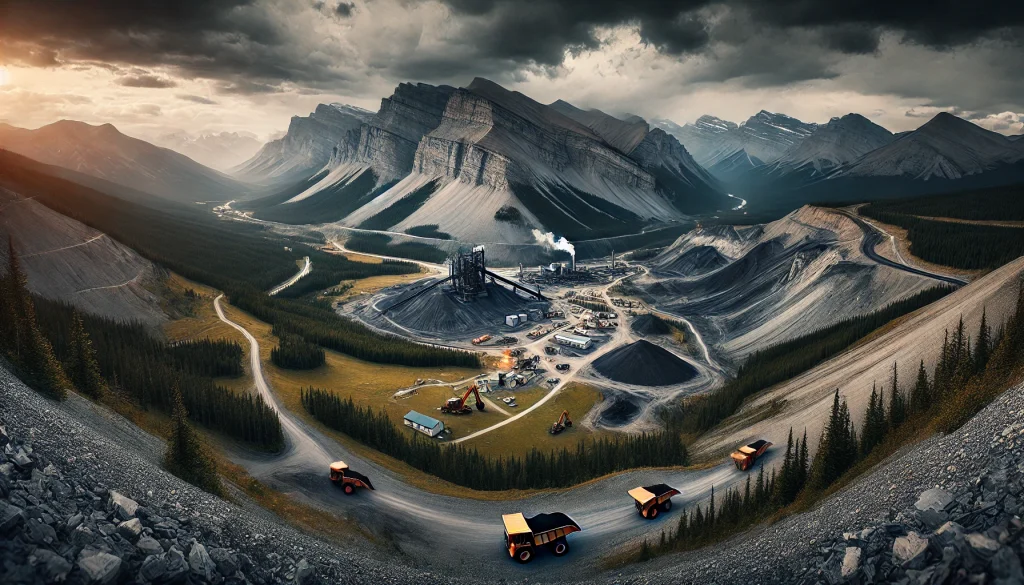
However, the proposed Grassy Mountain mine, situated on a previous coal excavation site, has ignited debate. While locals overwhelmingly support the project for its potential economic benefits, environmentalists and opposition leaders are sounding alarms.
Related News
- Green Shoots Emerge for South Africa’s Transnet Freight Rail Amid Coal Export Surge
- Bosnia’s Energy Crossroads: Balancing Coal’s Legacy and the Transition to Renewables
- Whitehaven Coal Sees Upside in Metallurgical Coal Prices Amid Supply Squeeze, Bolstering Shares
- Anglo American Engages Financial Advisors for Major Coal Asset Sale
Balancing Development and Conservation in the Coal Industry Modernization Initiative
In a statement, Alberta Energy and Minerals Minister Brian Jean emphasized that the province would not repeat the mistakes made in British Columbia’s Elk Valley, where coal mining has led to significant selenium contamination.
“Are we going to allow multiple mines within one river valley? No, we’re not,” Jean told The Western Standard. “If anything is allowed in such a geography, they must have a plan to contain the selenium first. We’re not going to do what B.C. did.”
More Read
Jean also highlighted innovations tied to the Grassy Mountain proposal, including plans to use water from a local brownfield pond and implement measures to manage selenium-laden tailings.

Environmentalists, however, remain skeptical. Naheed Nenshi, leader of Alberta’s NDP, criticized the government’s position, questioning the feasibility of fully mitigating selenium’s impact on waterways.
“There is not one project anywhere in the world that I’m aware of that actually is able to prevent selenium from leaking into the water,” Nenshi said. “If the technology is developed, there are still a number of environmental concerns.”
The Economic Argument for Coal Industry Modernization
For many in the Crowsnest Pass region, the stakes are clear. Local communities are eager for the jobs and economic revitalization the Grassy Mountain mine could bring. Coal mining has long been a pillar of the region’s economy, and the prospect of new investment is seen as a much-needed lifeline.
“Families here depend on the industry,” said a local advocate for the project. “This isn’t just about economics—it’s about preserving a way of life.”
A Broader Context of the Coal Industry Modernization Initiative
The CIMI’s reforms reflect Alberta’s effort to position itself as a leader in responsible coal mining practices. The initiative’s focus on water protection and increased royalties aligns with a growing global push for environmentally sustainable resource extraction. However, critics argue that the government’s approach still leaves room for significant risks, especially when it comes to selenium containment.
Nenshi’s remarks echo broader concerns among environmentalists who point to a lack of proven, scalable technology to fully address selenium leaching. With the federal government watching closely, Alberta’s handling of the Grassy Mountain proposal could set a precedent for future projects across Canada.
Alberta’s Coal Industry Modernization Initiative represents an ambitious attempt to modernize the industry while safeguarding the province’s natural resources. Yet, the Grassy Mountain mine underscores the challenges of reconciling economic and environmental priorities.
As the government navigates mounting pressure from both proponents and critics, its decision will not only shape the future of coal mining in Alberta but also signal its commitment to sustainable development in a resource-dependent economy.