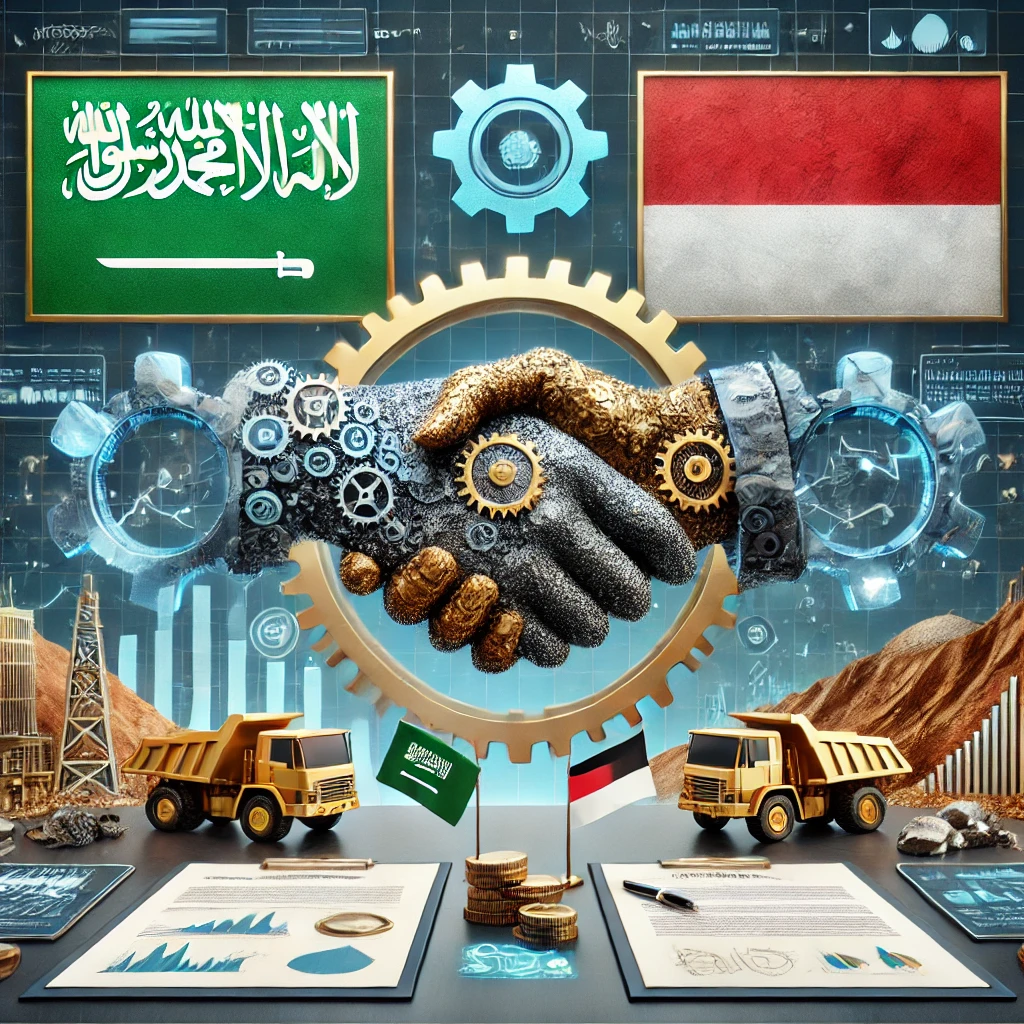
JAKARTA — In a move that could reshape global mineral supply chains and deepen Gulf-Asia investment links, Saudi Arabia and Indonesia signed a preliminary agreement on Thursday to expand cooperation in the mining and minerals sector, cementing a strategic partnership that reflects shifting geopolitical and economic priorities.

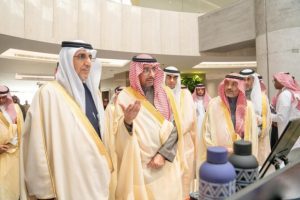
The memorandum of understanding, signed in Jakarta by Saudi Industry and Mineral Resources Minister Bandar Al-Khorayef and Indonesia’s Minister of Investment and Head of the Energy and Mineral Resources Agency Bahlil Lahadalia, is aimed at enhancing joint capabilities in mineral exploration, extraction, and processing. The deal also includes knowledge transfer and technology-sharing components focused on sustainable mining practices and advanced geological surveying.
“The agreement aims to strengthen strategic cooperation and exchange of expertise between the two countries,” Saudi Arabia’s Ministry of Industry and Mineral Resources said in a statement.
Related News
- Tree Rings Reveal Mercury’s Lingering Legacy in Amazon Gold Mining
- BHP Turns to Pumped Hydro to Repurpose Mt Arthur Coal Mine
- Patagonia Gold Secures $40M Investment Deal for Calcatreu Gold Project Development
- Critical Minerals List 2025: CMI Calls for Global Action to Secure Strategic Supply Chains
Resource Ambitions on Both Sides
Indonesia, home to the world’s largest nickel reserves and significant copper and bauxite deposits, is seeking to position itself as a hub for critical minerals needed for global electrification and green technologies. In 2023, the mining sector accounted for nearly 12% of Indonesia’s GDP—a figure expected to rise as Jakarta aggressively courts foreign investment in downstream processing and battery manufacturing.
For Saudi Arabia, the visit underscores the Kingdom’s broadening industrial strategy under Vision 2030, a national plan to diversify the economy away from oil. Al-Khorayef’s trip also included discussions about investment opportunities beyond mining—in pharmaceuticals, food, and automotive components—as Riyadh positions itself as a future industrial and export powerhouse.
Strategic Convergence in Mining
The Saudi-Indonesian pact encompasses:
- Joint geological surveys and mineral mapping
- Knowledge transfer on sustainable extraction methods
- Adoption of modern mining technologies
- Development of mineral-based industries and value chains
The cooperation is expected to create channels for cross-border investment, potentially offering Saudi Arabia access to Indonesia’s vast mineral resources and processing infrastructure, while Indonesia gains a pipeline to Gulf capital and industrial expertise.

Beyond Minerals: Workforce, Trade, and Industrial Synergy
In parallel to the mining accord, the Saudi delegation explored workforce partnerships. Al-Khorayef visited a training center under Indonesia’s Ministry of Industry, signaling a broader intent to build a pipeline of skilled Indonesian labor for Saudi Arabia’s expanding industrial base.
“We are ready to support the sending of skilled workers … to fulfill the workforce needs in Saudi Arabia,” said Masrokhan, head of Indonesia’s Industrial Human Resources Development Agency.
The visit also saw the Saudi Export-Import Bank sign a preliminary deal with its Indonesian counterpart to enhance bilateral trade financing—part of a broader push to solidify commercial ties. According to Saudi government data, non-oil trade between the two nations reached $3.3 billion in 2024, a 14.5% increase over 2020 levels.
Meetings between Al-Khorayef and key Indonesian officials, including Industry Minister Agus Gumiwang Kartasasmita and State-Owned Enterprises Minister Erick Thohir, further highlighted Saudi Arabia’s appetite for long-term industrial and logistical collaboration with Southeast Asia’s largest economy.
Geopolitical Undercurrents
The agreement arrives at a time when global competition over mineral security is intensifying. As Western nations look to de-risk supply chains from China, Gulf states like Saudi Arabia are quietly positioning themselves as alternative anchors in the critical minerals space. Riyadh’s deal with Jakarta signals a bid not only for resources but for geopolitical relevance in the global green transition.
For Jakarta, partnering with Gulf capital offers insulation from Western regulatory pressure and an opportunity to leverage its raw material advantage for high-tech industrial growth.
Conclusion: A New Axis in Global Mining?
What began as a ministerial visit has evolved into something more consequential: a new axis in mineral cooperation between two emerging powers—one with deep resources, the other with deep capital. With both nations eyeing a post-oil, high-tech future, Thursday’s pact may prove to be just the first layer in a broader geopolitical and industrial alignment.