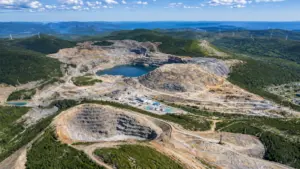
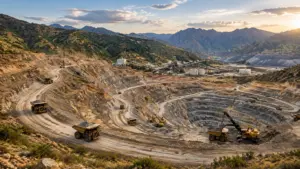
Sierra Gorda, Chile — BHP’s Spence copper mine in Chile has reached a significant milestone by becoming fully autonomous, marking a new era in mining operations. This achievement underscores BHP’s commitment to innovation, safety, and sustainability in the mining industry.

Milestone Achievement
After three months of fully autonomous operations, Spence has reported zero incidents, highlighting the safety benefits of automation. The mine’s fleet now includes 33 autonomous trucks and 5 autonomous drilling rigs, which have significantly reduced the risk of accidents by up to 90%. This transition to autonomy is part of BHP’s broader strategy to enhance operational efficiency and competitiveness while ensuring the safety of its workforce.
Related News
- Indonesian Tycoon Anthoni Salim Launches Major Bid to Revive Australian Copper Mine
- How the Ukraine War is Shaping the Future of the Copper Industry
- Why Codelco’s Copper Output is Falling: Delays, Accidents, and Maintenance Failures
- Copper 360 Accelerates Production, Bolstering South Africa’s Mining Sector
- First Quantum Minerals Raises Alarm Over Environmental Risks Posed by Long-Term Copper Concentrate Storage
Technological Advancements
The journey towards full autonomy at Spence began in January 2022 with the introduction of the first autonomous drill. Since then, the mine has progressively integrated autonomous technologies, culminating in the complete automation of its truck fleet and drilling operations by April 2024. The use of autonomous equipment not only improves safety but also increases operational efficiency. For instance, the availability of autonomous drills has increased by 1.7%, and their utilization has risen by 14.1%.
Environmental and Community Impact
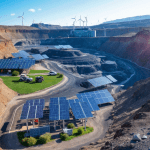
BHP’s commitment to sustainability is evident in the Spence mine’s operations. The mine uses desalinated seawater for its processes, supplied by a desalination plant in Mejillones, and relies exclusively on renewable energy sources for power. These measures significantly reduce the environmental footprint of the mining operations.
Moreover, the automation project has been inclusive and diverse, with 32.7% of Spence’s workforce being women. The project also included extensive training programs, achieving 80% job reconversion and 50% female representation among the newly created roles. This focus on diversity and inclusion aligns with BHP’s broader goals of fostering a more inclusive workplace.
More Read

Future Prospects
The success at Spence serves as a model for future mining operations. BHP plans to leverage the lessons learned from Spence to enhance other projects, such as the Escondida mine, further advancing its autonomy program. The implementation of state-of-the-art technologies at Spence ensures operational continuity and enhances the safety of workers, setting a new standard for the mining industry globally.

Industry and Government Support
The achievement has been celebrated by both industry leaders and government officials. Mike Henry, CEO of BHP, emphasized the importance of collaboration between industry, government, and communities to continue developing mining operations in a safe and sustainable manner. The Undersecretary of Labor, Giorgio Boccardo, praised the job reconversion and training programs, highlighting the positive impact of automation on employment and workplace safety.