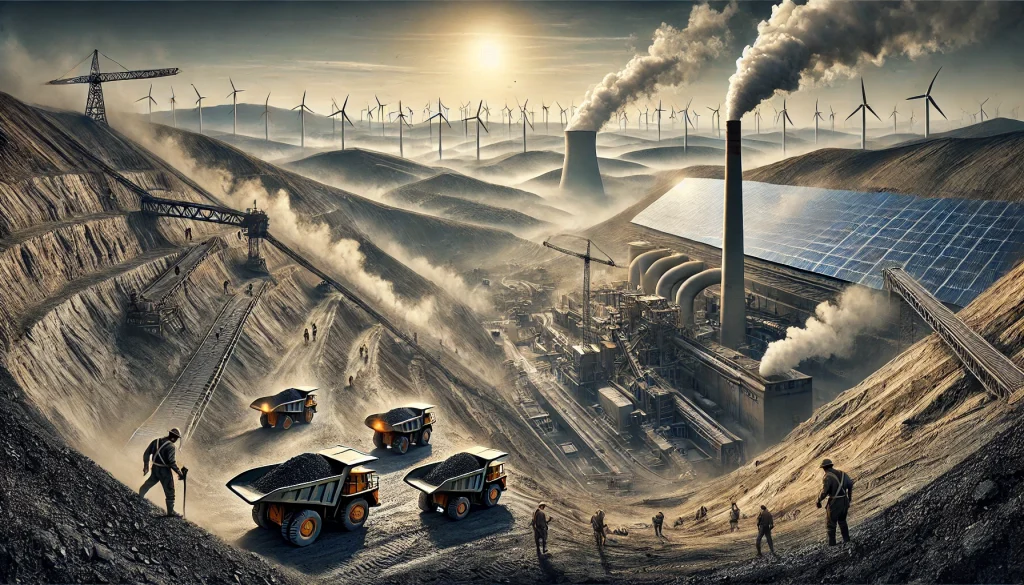
At the Mramor coal mine in northeastern Bosnia, 250 meters underground, dust clogs the air and oxygen is scarce. This facility, the country’s largest underground coal mine, has long powered the nearby Tuzla thermal power plant. However, its future—like that of other coal mines in Bosnia—remains uncertain as the nation grapples with a dual challenge: maintaining energy security while transitioning to renewable energy by 2050.

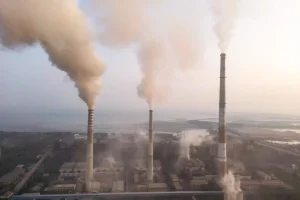
Despite the global push to reduce reliance on fossil fuels, coal remains central to Bosnia’s energy and economic framework. The country burns approximately 13 million tonnes of coal annually, which generates between 55% and 70% of its electricity. Yet, the environmental and health costs of this dependence are becoming increasingly unsustainable, pushing Bosnia towards a critical tipping point for reform.
Related News
- Whitehaven Coal Sees Upside in Metallurgical Coal Prices Amid Supply Squeeze, Bolstering Shares
- Anglo American Engages Financial Advisors for Major Coal Asset Sale
- Steelmaking Coal Supply Hit as Anglo American Suspends Grosvenor Mine Operations
- FutureCoal Calls for Balanced Approach to Energy Policy Amidst G7 Announcement on Unabated Coal
- India’s Government to put 26 coal mines up for auction
A Legacy of Coal Mining
For miners like Senad Sejdic, who has worked at the Mramor mine for over three decades, coal represents both a livelihood and a legacy. “It’s backbreaking work,” Sejdic acknowledges, though he remains optimistic about the potential of technological upgrades, such as modern excavators, which could triple production to 400,000 tonnes annually while improving safety.
This optimism, however, collides with Bosnia’s decarbonization commitments. The government plans to phase out coal by 2050, including interim measures such as shutting down two of its six coal-powered plant units by 2027. Despite these pledges, coal’s economic significance remains substantial. Bosnia is the only net exporter of electricity in the Western Balkans, earning €430 million ($453 million) in 2023 by exporting 30% of its annual 15,000 GWh electricity production.
A Public Health Crisis
Bosnia’s heavy reliance on coal exacts a steep toll on public health. A 2019 World Bank report estimated that air pollution causes 3,300 premature deaths annually—accounting for nearly 10% of all deaths in the country. Cities like Sarajevo, where coal heats thousands of homes, consistently rank among the world’s most polluted.
More Read
Coal mines also pose immediate dangers to workers. For Sejdic, this reality hits close to home. His father was among 180 miners killed in a 1990 mining accident in the same region where he now works. Despite technological advancements, mining remains perilous, with unsafe labor conditions still prevalent.

Renewable Energy: Challenges and Opportunities
Transitioning from coal to renewable energy presents logistical and financial challenges. Bosnia’s thermal power plants currently generate 2,300 MW of electricity, which would require replacing them with either 5,000 MW from wind turbines or 10,000 MW from solar panels, according to energy expert and renewable investor Edhem Bicakcic. Achieving this transition demands billions in investment—far beyond Bosnia’s current capacity.
“We hope to have access to European funds to carry out this transition,” Bicakcic emphasizes. Bosnia’s reliance on EU support is pivotal, particularly as the bloc prepares to introduce a carbon tax in 2026 that could penalize non-EU countries exporting carbon-intensive products.

Bosnia’s primary utility company, Elektroprivreda BiH, plans to invest €170 million in desulfurization and denitrification systems for its coal plants by 2027. However, this effort addresses only short-term environmental concerns and falls short of the systemic overhaul needed for a comprehensive energy transition.
Economic and Social Fallout
The transition away from coal threatens to disrupt the livelihoods of thousands of workers. Earlier this year, the Zenica coal complex ceased operations after 144 years, leaving 600 workers unemployed, many without pensions or healthcare benefits. Similar crises loom across Bosnia’s aging mining sector, where years of financial mismanagement have left miners’ contributions unpaid.
“I’ve been working in the mine for twenty years,” said a 47-year-old miner who asked to remain anonymous. “But my contributions have only been paid for four years.”
Unions and environmental activists warn that without a carefully planned framework for a just transition, Bosnia’s energy shift could exacerbate social inequality.
A Crossroads for Bosnia
For environmental advocates like Denis Zisko of Aarhus Centar, Bosnia’s energy transition is more than a challenge—it’s an opportunity. “The energy transition is not a problem; it is an opportunity for development,” he asserts, highlighting the need for political will to seize this moment.
While coal remains the backbone of Bosnia’s energy economy, the clock is ticking. Decarbonization deadlines and international pressure demand substantial investment, innovation, and political courage.
For now, the dust at Mramor still hangs heavy, a potent symbol of Bosnia’s struggle to reconcile its coal-driven past with a sustainable future.