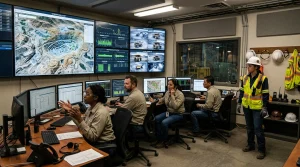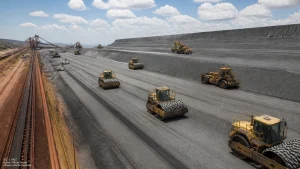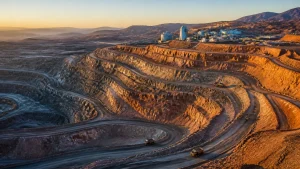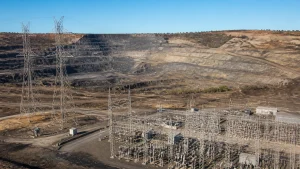
One notable development in mining operations is the integration of carbon sequestration and renewable energy. This shift is primarily motivated by growing regulatory demands and societal expectations.

Exciting Developments in Carbon Sequestration
Leading experts from the University of Alberta and the University of Bern have been at the forefront of studying brucite carbon sequestration. This groundbreaking technology utilizes brucite, a mineral form of magnesium hydroxide, to effectively trap and sequester carbon dioxide emissions beneath the Earth’s surface. The process not only reduces the release of harmful emissions, but also improves the stability and safety of mining sites.
Dr. Sasha Wilson, a renowned researcher at the University of Alberta, highlights the dual benefit of brucite carbon sequestration. It’s clear that the implementation of this technology has significant benefits for the mining industry. Not only does it help in reducing greenhouse gases, but it also enhances the safety of mining sites for workers and the environment.
Brucite is a solid mineral that can trap greenhouse gases for many thousands of years, says Dr. Sasha Wilson, principal investigator at the UAlberta’s Environmental Economic Geology Laboratory (EEGL). “More than 90% of the carbon dioxide on Earth is locked away in rocks in the crystal structures of carbonate minerals and that’s what the Rocky Mountains are predominantly made of,” says Wilson, Canada Research Chair in Biogeochemistry of Sustainable Mineral Resources and lead of the EEGL in UAlberta’s Department of Earth and Atmospheric Sciences.
Renewable Energy Integration
Renewable energy in mining operations has been gaining significant traction. Major companies such as Rio Tinto and BHP have recently made substantial commitments to renewable energy sources like solar and wind power in order to meet the energy needs of their mining operations. The solar power plant at Rio Tinto’s Diavik Diamond Mine in Canada is a groundbreaking achievement. It is anticipated that the plant will significantly decrease the mine’s yearly diesel consumption by more than one million liters.
You Might be Interested In
- Betolar and Norge Mineraler AS Announce a Partnership for Creating Sustainable Mining Solutions in Eigersund, Norway
- Electric Trucks from Caterpillar Drive Vale’s Sustainable Mining Goals
- Minister Calls for Sustainable Mining to Combat Environmental Damage in Midlands
- Empowering Sustainable Mining: DRC Mining Week 2024 Drives Industry Transformation
Global Conferences and Cooperation
The recent Global Mining Sustainability Conference held in Toronto showcased these advancements. Experts from various sectors came together to explore sustainable practices and cutting-edge technological advancements. The conference highlighted the significance of global collaboration in advancing sustainable mining.

At the conference, the International Council on Mining and Metals (ICMM) unveiled a set of fresh guidelines for its member companies. These guidelines place a strong emphasis on the crucial goals of minimizing carbon footprints and fostering stronger community engagement. The CEO of ICMM, Rohitesh Dhawan, emphasized the importance of sustainable mining, stating that it is not merely a choice, but a crucial requirement. Our new guidelines aim to ensure that our members are at the forefront of environmental stewardship.
Case Study: Anglo American
Anglo American has embraced sustainability by introducing hydrogen-powered trucks at its Mogalakwena platinum mine in South Africa. This initiative is in line with the company’s overall plan to become carbon neutral by 2040. These hydrogen-powered trucks are projected to have a substantial impact on reducing diesel consumption and lowering the mine’s carbon emissions.
More Read
Regulatory Support and Challenges
There is a growing global trend of governments providing legislative support and financial backing for sustainable mining initiatives. The European Union’s Green Deal, for example, incorporates measures for sustainable resource extraction, highlighting the importance of safeguarding the environment and promoting sustainability in mining operations.
Nevertheless, there are obstacles to overcome on the journey towards sustainable mining. Smaller mining companies may face obstacles due to the significant upfront expenses associated with renewable energy infrastructure and carbon sequestration technologies. In addition, the demand for experienced workers to handle and run these sophisticated systems continues to be a pressing concern.