Humboldt Mill is expected to process material from Talon’s Tamarack project in Minnesota.

By Salini Krishnan
Talon Metals has abandoned plans to build a nickel processing facility in North Dakota and will instead evaluate processing ore from its Tamarack project at the company’s existing Humboldt Mill in Michigan, a decision that reshapes the development path for one of the United States’ key proposed domestic nickel projects.
The company said it will not advance construction of the Beulah Minerals Processing Facility in Mercer County, North Dakota. Talon will now complete a feasibility study on using Humboldt, with the work due by Dec. 31.
The shift follows Talon’s acquisition of the Eagle Mine and Humboldt Mill in Michigan in January. The company said the transaction gave it access to an operating U.S. nickel-copper facility, an experienced workforce and established processing expertise that were not available when it first proposed the North Dakota plant.

Talon shares fell 2.9% to C$10.88 on Friday.

The decision also leaves the future of a US$114.8 million funding agreement with the U.S. Department of Energy unresolved. The award, made under the Infrastructure Investment and Jobs Act, was tied to development of the North Dakota facility. Talon said it is working with the DOE on the future of the funding following the change in processing plans.
Existing infrastructure replaces a new-build facility
Tamarack is a nickel-copper-cobalt project in central Minnesota being advanced by Talon in a joint venture with Rio Tinto. Talon owns 51% of the project, while Rio Tinto owns 49%.
More Read

The project is part of a broader effort to establish North American sources of nickel and other critical minerals used in stainless steel, batteries, defense applications and energy infrastructure. The proposed North Dakota facility was intended to process Tamarack material closer to the project’s regional supply chain while supporting new downstream capacity in the United States.
That approach has now been replaced by a strategy centered on existing infrastructure.
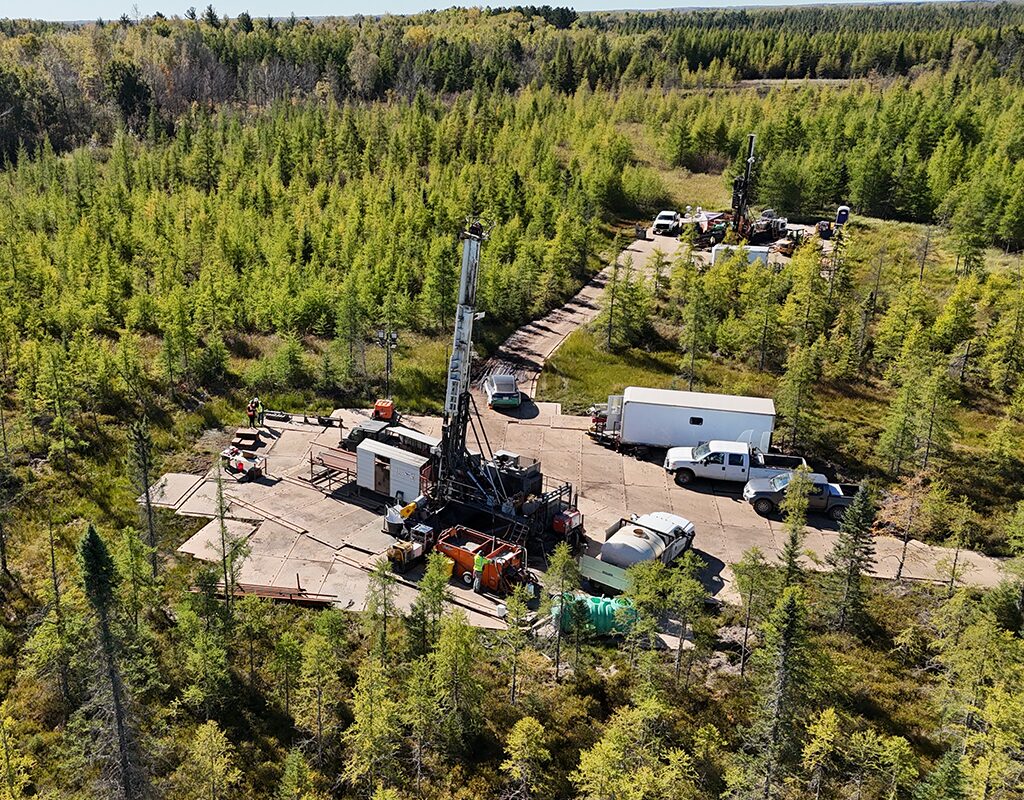
Tamarack is a high-grade nickel-copper-cobalt project in central Minnesota.
“The Humboldt Mill gives us the opportunity to build on an existing U.S. processing facility with a proven operational and environmental track record and a highly experienced workforce,” Chief Executive Officer Darby Stacey said in the company’s announcement.
Talon said using Humboldt could allow it to build on infrastructure already in operation rather than construct a separate processing plant. The company also said the approach would maintain skilled jobs and economic activity in Michigan.
Humboldt is located in Marquette County and currently processes ore from the Eagle Mine, which Talon acquired from Lundin Mining. The mill uses conventional flotation to produce separate nickel and copper concentrates and has operated continuously since Eagle entered commercial production in 2014.
The company has not yet disclosed the full capital, operating or logistics implications of the revised plan. Those details are expected to form part of the feasibility study.
Feasibility work will determine the next steps
The feasibility study will examine whether Humboldt can process Tamarack material at the required scale and specification. Talon said the work will include an assessment of material-handling requirements, process modifications and other technical and strategic considerations.
The outcome will be important for both the project’s capital profile and its permitting pathway.
A new facility in North Dakota would have required Talon to develop a separate processing site, construct supporting infrastructure and build a new operating organization. By comparison, the Michigan option provides an established mill, utilities, technical systems and workforce.
However, transporting Tamarack ore or intermediate material to Michigan could add logistics and operating costs. The feasibility study will need to establish whether those costs are offset by lower construction spending, reduced execution risk and the availability of existing processing capacity.
Talon said Humboldt is already included as an off-site processing option in the current Minnesota Department of Natural Resources environmental review materials for Tamarack. That could reduce the regulatory uncertainty associated with changing the processing location, although the company will still need to coordinate with regulators in both Minnesota and Michigan.
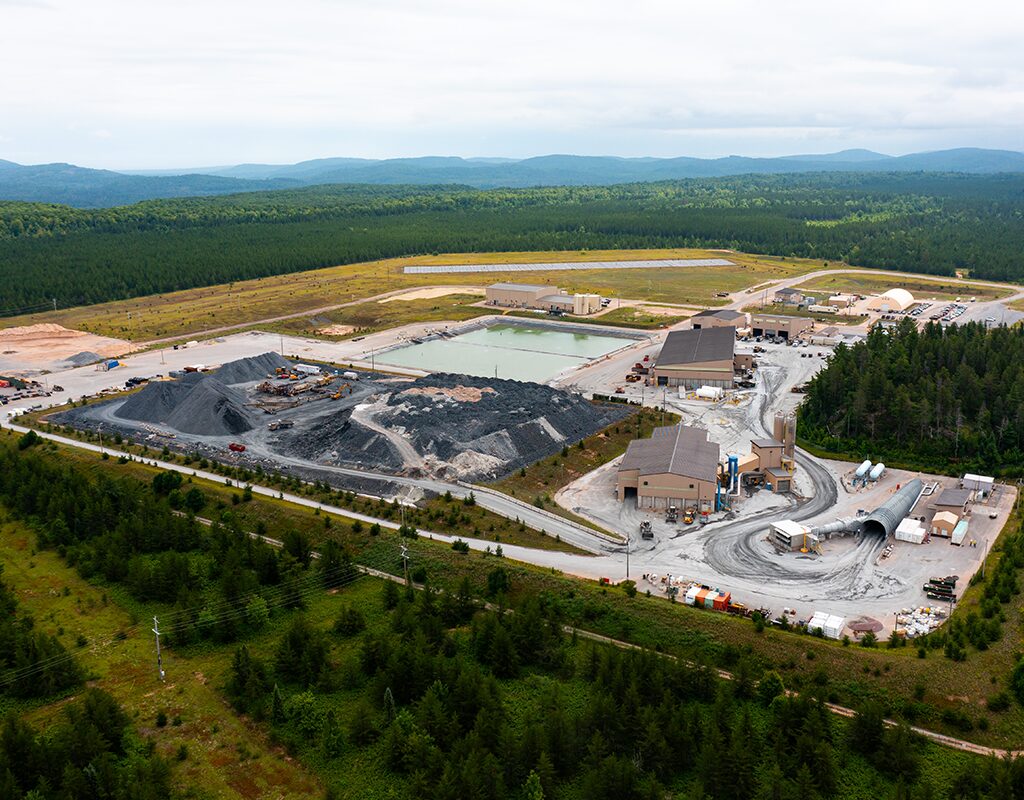
Eagle Mine ore is currently processed at the Humboldt facility.
The feasibility study is scheduled for completion by Dec. 31. Until that work is complete, Talon has not provided a final development schedule for Tamarack based on the Michigan processing route.
The company’s latest Tamarack exploration update highlighted continued drilling and high-grade mineralization at the project, but the processing decision introduces a separate set of development questions around mine design, transportation and mill integration.
DOE award becomes a central uncertainty
The US$114.8 million DOE award was originally intended to support construction of the Beulah Minerals Processing Facility in North Dakota. Talon said it is now discussing the award’s future with the department.
The company did not say whether it expects the funds to be transferred to Michigan, restructured for another use or returned. The outcome could affect the capital required to modify Humboldt and the economics presented in the feasibility study.
Federal support has been an important element of the U.S. strategy to build domestic supply chains for nickel and other critical minerals. Talon’s project has attracted government attention because the United States currently relies heavily on imports for many of the materials needed by the battery, defense and advanced manufacturing sectors.
The shift from a proposed new plant to an existing mill may reduce construction risk, but it also changes the basis on which the federal award was made. The DOE discussions will therefore be closely watched by investors and other developers seeking government support for mineral processing projects.
The change comes as companies across the mining sector reassess project designs in response to higher construction costs, permitting requirements and competition for skilled labor. Similar infrastructure-led approaches are being considered in other parts of the critical-minerals industry, where existing facilities can provide a faster route to production than a fully new build.
Skillings’ coverage of critical-minerals supply chains has examined how processing capacity, rather than mine supply alone, is becoming a central constraint for North American developers.
Rio Tinto partnership remains in place
Talon’s decision concerns the processing route and does not change the company’s stated ownership structure for Tamarack. Rio Tinto remains a 49% partner in the Minnesota project.
The joint venture brings the project into a wider strategic context for the global mining group, which has been involved in Tamarack since the project’s earlier development stages. The partners will need to assess how the change affects project capital, concentrate specifications, logistics and future operating responsibilities.
Tamarack’s development is also linked to Talon’s broader Michigan platform. The company now describes itself as an operator and developer of U.S. nickel-copper assets, combining Eagle Mine, Humboldt Mill and the Minnesota project.
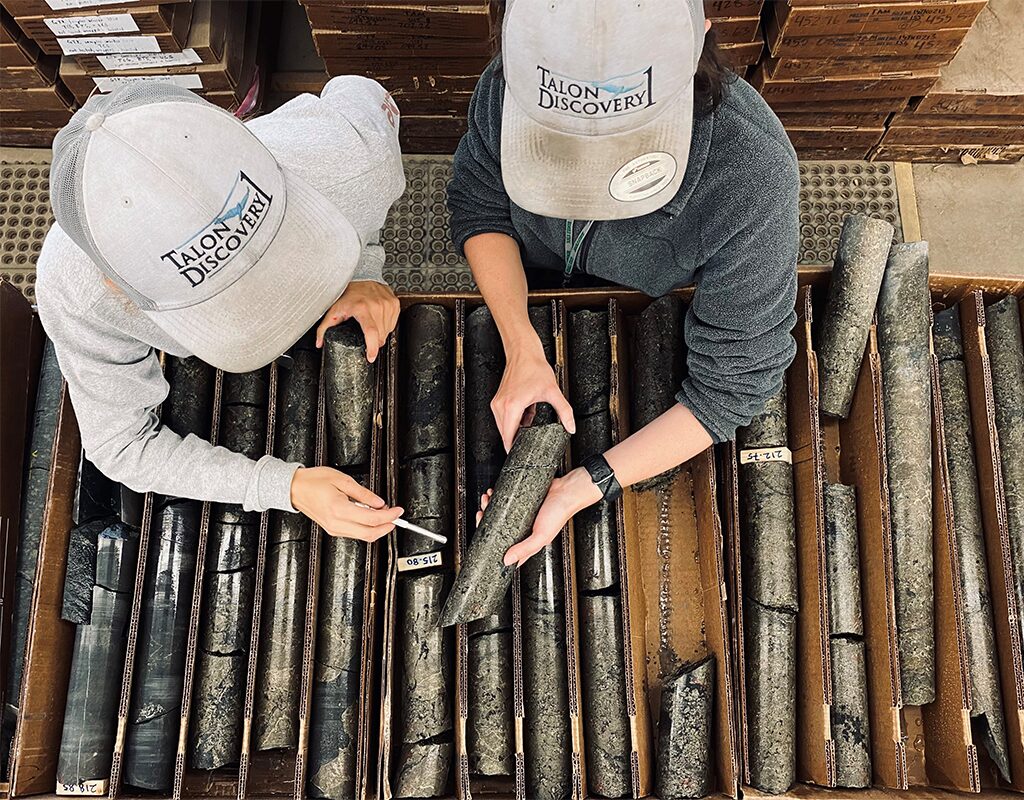
Talon is advancing exploration and development across its Michigan and Minnesota portfolio.
For Talon, the attraction of Humboldt is that it offers an operating foundation at a time when new processing projects face long construction timelines and rising costs. The risk is that the mill may require modifications, additional handling systems or other upgrades before it can accommodate Tamarack material.
The company’s announcement did not specify the expected volume of Tamarack material, the required changes at Humboldt or the proposed transportation route between Minnesota and Michigan.
Those issues will be central to the feasibility study and to the eventual economic case for the project.
What investors and policymakers will watch
The next milestones are likely to include the completion of the Humboldt feasibility study, clarification of the DOE funding agreement and further regulatory coordination in Minnesota and Michigan.
Investors will also be watching whether Talon presents a lower upfront capital requirement than the North Dakota plan and how that compares with projected transportation and operating costs. The company will need to demonstrate that the existing mill can support Tamarack without compromising Eagle Mine operations.
For policymakers, the decision highlights the importance of existing processing infrastructure in efforts to expand domestic critical-minerals supply. A project can have strong mineral potential, but its timeline and economic viability may still depend on where concentrate can be processed and whether suitable infrastructure is already available.
Talon’s move does not eliminate the development risks surrounding Tamarack. It does, however, replace a proposed greenfield processing facility with an operating asset that the company already controls.
The feasibility study and DOE discussions will determine whether that change provides a faster and less capital-intensive path to production: or simply shifts the project’s principal risks from construction in North Dakota to integration and logistics in Michigan.
For broader context, Skillings tracks related developments in copper, mining finance and project valuations, areas that will remain important as developers balance mineral demand with infrastructure, permitting and funding constraints.