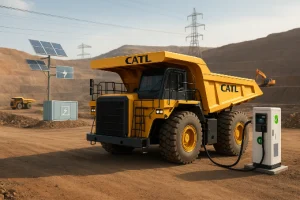
Researchers and automakers are captivated by these advanced battery technologies due to their promise of enhanced safety, increased energy density, and faster charging periods. As the world continues to embrace sustainable transportation, the development of solid-state batteries could play a crucial role in accelerating the adoption of electric vehicles and redefining how we view electric mobility.

As the name suggests, solid-state batteries employ solid electrolytes instead of the liquid or polymer electrolytes found in conventional lithium-ion batteries. This fundamental distinction offers numerous benefits that have the potential to surmount the limitations of existing battery technologies.
The enhanced safety profile of solid-state batteries is one of their primary advantages. The lack of flammable substances or gels eliminates the risk of leakage, thermal runaway, and fires, thereby addressing one of the primary concerns regarding lithium-ion batteries. This enhanced safety not only protects users but also provides reassurance to potential EV purchasers who may have been hesitant due to safety considerations.
The higher energy density of solid-state batteries is another significant benefit. The energy density of a battery is the quantity of energy it can store per unit of volume or mass. Compared to conventional lithium-ion batteries, solid-state batteries have the potential to provide substantially higher energy densities. This implies that future EVs with solid-state batteries could have longer ranges on a single charge, reducing range anxiety and allowing drivers to travel further without frequent recharging.
Solid-state batteries are also distinguished by their capacity for rapid recharge. Solid-state batteries have the potential to substantially reduce charging times compared to lithium-ion batteries, which can take hours to recharge. Solid-state battery-powered EVs could be charged in a matter of minutes, comparable to refuelling a conventional internal combustion engine vehicle, due to their ability to consume and release energy at a faster rate. This advancement in charging technology could significantly enhance the convenience and usability of EVs, making them more appealing to a wider spectrum of consumers.
In addition, solid-state batteries may have a lengthier lifespan than traditional lithium-ion batteries. The absence of liquid electrolytes eliminates the progressive degradation of a battery over time and reduces the formation of short-causing dendrites. Consequently, EVs with solid-state batteries may require fewer battery replacements, reducing costs for vehicle owners and contributing to a more sustainable and eco-friendly transportation ecosystem.

The widespread adoption of solid-state batteries in EVs of the next iteration would not only benefit consumers, but would also have significant environmental implications. The increased energy density and extended driving ranges of solid-state batteries could alleviate concerns about charging infrastructure and make long-distance travel more accessible for owners of electric vehicles. Solid-state batteries have the potential to significantly reduce greenhouse gas emissions and combat climate change by reducing reliance on fossil fuels.
Although solid-state batteries hold a great deal of promise, there are still numerous obstacles to surmount before they can be commercialized. Currently, high manufacturing costs and a limited production scale are impediments to widespread adoption. In addition, ensuring the durability and consistency of solid-state batteries over multiple charge cycles remains an important area of research.
However, manufacturers and researchers are investing in the development of solid-state battery technology for electric vehicles. Battery manufacturers, research institutions, and automakers are collaborating to surmount these obstacles and bring solid-state batteries to market in the near future. Cost reductions, enhanced manufacturing processes, and increased production capacities are anticipated to accelerate the incorporation of solid-state batteries into next-generation electric vehicles as technological progress continues.
Solid-state batteries have the potential to revolutionize the EV industry due to their enhanced safety, greater energy density, faster charging periods, and longer lifespan. As the world embraces sustainable transportation, solid-state batteries may be the key to electric mobility’s future. Although obstacles persist, ongoing research and development efforts and industry collaborations indicate a promising path towards the widespread adoption of solid-state battery technology. As we engage on a journey toward a cleaner and greener transportation system, the potential of next-generation EVs powered by solid-state batteries is unquestionably an exciting prospect.
Solid-State Batteries: Revolutionizing Energy Storage with Superior Advantages
Solid-state batteries, a revolutionary innovation in the field of energy storage, have the potential to outperform conventional lithium-ion batteries. Solid-state batteries are gaining popularity due to their numerous advantages over conventional lithium-ion batteries as the world seeks more efficient and sustainable energy solutions. This article investigates these advantages, shedding light on how solid-state batteries could reshape the future of energy storage.
Solid-state batteries offer superior safety features in comparison to conventional lithium-ion batteries. Due to the presence of an ignitable liquid electrolyte, lithium-ion batteries are susceptible to thermal runaway and the possibility of fire. Solid-state batteries, on the other hand, utilize a solid electrolyte, eradicating the risk of leakage and significantly enhancing overall safety. This advancement is crucial for industries such as electric vehicles (EVs), where safety concerns have occasionally overshadowed the benefits of electric mobility. The enhanced safety profile of solid-state batteries facilitates consumer confidence and widespread adoption of electric vehicles.
The higher energy density of solid-state batteries is another significant advantage. The energy density is the quantity of stored energy per unit of mass or volume. Due to their unique materials and composition, solid-state batteries have the potential to attain higher energy densities than conventional lithium-ion batteries. This allows solid-state batteries to store more energy in a compact, lighter package. Higher energy density correlates to longer driving range for electric vehicles and longer battery life for portable electronics, reducing the need for frequent recharging and enhancing user convenience.
In addition to having a higher energy density, solid-state batteries can be charged more quickly. Traditional lithium-ion batteries have charge rate limitations, requiring hours to completely recharge. Conversely, solid-state batteries have the potential to significantly reduce charging durations. Because solid-state batteries can absorb and release energy at a higher rate, they can potentially be recharged in a matter of minutes. This feature is not only convenient for users, but it also addresses one of the primary barriers to the widespread adoption of electric vehicles: range anxiety. Rapid charging would make EVs more comparable to refuelling conventional gasoline-powered vehicles, making them a viable option for long-distance travel.
You might be interested in
- Nkechi Ogbonna Assumes Leadership as CEO of Prominent Nigerian Mining Company
- The Hidden Toll: Mining’s Impact on African Communities and the Environment
- Empowering Women in the African Mining Industry: Unlocking the Potential for Inclusive Growth
- Aterian Positions Itself for Global Growth with Rwanda as a Trade Hub
- Removing Fuel Subsidies: Unleashing Potential and Overcoming Challenges in African Countries
Additionally, solid-state batteries have the potential to have a lengthier lifespan than conventional lithium-ion batteries. Chemical reactions during charge and discharge cycles in conventional batteries can contribute to electrode degradation and capacity loss over time. Solid-state batteries mitigate this problem by employing electrolytes that are less prone to degradation. Due to their extended lifespan, solid-state batteries are more economically and environmentally sustainable.
Additionally, solid-state batteries exhibit enhanced temperature tolerance. Solid-state batteries are more thermally stable than conventional lithium-ion batteries, which can experience performance degradation at both high and low temperatures. This property enables implementations in numerous industries, such as aerospace and renewable energy, in which extreme temperatures are frequently encountered. The capability to operate under a wide range of temperature conditions ensures dependable battery performance and expands the market potential for solid-state batteries across multiple industries.
Solid-state batteries have a number of advantages, but there are still obstacles to overcome before their widespread adoption. Compared to lithium-ion batteries, the current manufacturing process for solid-state batteries is more complex and expensive. Researchers and manufacturers are working diligently to improve production techniques and develop scalable manufacturing processes in order to reduce costs. Additionally, research is ongoing to ensure the stability and durability of solid-state batteries over thousands of charge-discharge cycles.
Solid-state batteries represent a significant technological advancement in energy storage. They are a compelling alternative to conventional lithium-ion batteries due to their superior safety features, higher energy density, faster charging, extended lifespan, and temperature tolerance. It is anticipated that as research and development efforts progress, solid-state batteries will continue to advance and become a crucial component in a variety of applications, including portable electronics, electric vehicles (EVs), and renewable energy systems. The future of solid-state batteries appears promising, as they provide a greener, safer, and more efficient energy storage solution for a sustainable world.