by Stephen Lande, President and Founder of Manchester Trade

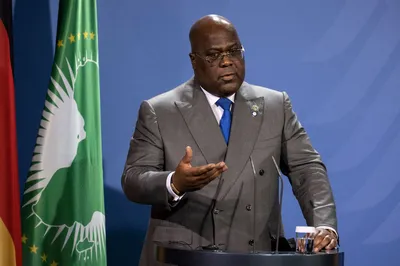
A countdown has begun in the Democratic Republic of the Congo: Only thirteen weeks remain before a national election that many observers believe is the most important moment for democracy and the rule of law in Africa’s post-colonial era.
The Congo (Kinshasa) suffered greatly under illegitimate dictators for nearly 50 years, almost from the day its status as an independent nation was ratified by the United Nations.
Then, in 2018, a President was chosen by the people of the DRC. President Félix Tshisekedi became the first President to assume office after an election that was certified by a constitutional court, meeting in a public session, and its decision televised throughout the country.
Many observers expected President Tshisekedi to extend his term of office by avoiding facing the people directly. They were mistaken. Tshisekedi has welcomed the chance to campaign for another term. An Independent National Electoral Commission (CENI -Commission Électorale Nationale Indépendantes) is overseeing the vote. CENI’s work to assure that the election is free and fair to all candidates has been audited by the Southern Africa Development Community and declared consistent with international standards.
President Tshisekedi is campaigning on his record:

- Emptying prisons of those who opposed dictatorial abuses, and allowing political exiles to return;
- Taking steps to end gender-based violence, including having the First Lady adopt this goal as her top priority;
- Introducing government-subsidized Universal Health Coverage insurance, and guaranteeing free maternity and newborn care;
- Allocating forty percent of the national budget to primary education, so that primary education could be tuition-free. Nearly four million children have come back into the school system;
- Dedicating a team of labor inspectors to root out child labor abuses;
- Creating jobs by assuring all foreign investors, regardless of national origin, a “level playing field” in procurement and government oversight of the private sector;
- Restoring a National Service Corps, to address youth unemployment that nurtured gangs and civil violence;
- Taking bold steps to protect the Congo Basin from environmental degradation, while assuring that the Congolese people are compensated for foregoing the wages of economic exploitation.
The United States is holding its breath, as anti-democratic forces from outside the Congo foment terror in the eastern region of the Congo, threatening the electoral process. And it is quietly urging all candidates to refrain from scurrilous attacks on CENI’s voter registration efforts.
But what is important is that regardless of who the people choose as their next President, the DRC, and the United States will continue to benefit from the “Privileged Partnership for Peace and Prosperity ” agreement between the two countries.
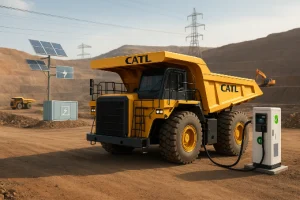
As well it should. The importance of the coming election is underscored by the Congo’s enormous economic potential. Among major African countries, its economy is expanding the fastest – topping six percent a year. Hydroelectric resources are large enough to supply the entire African Continent with clean power. The Congo River Basin is called by many the “lungs of the World,” and the DRC’s major deposits of critical minerals will fuel global conversion to electric vehicles.
The election countdown is a countdown to the launch of a new, brighter future for all Africans. So, to all the citizens of the DRC, heed the words of the great American Civil Rights icon, Mr. Andrew Young.
“Your vote…is your passport to freedom and prosperity.”
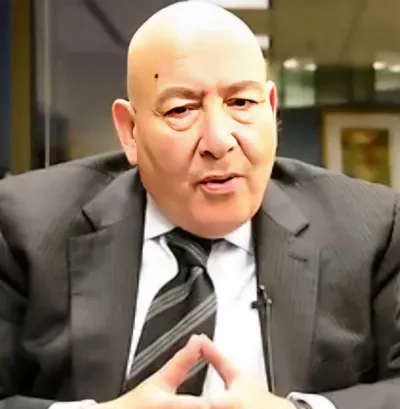
Stephen Lande is a prominent figure in international trade, currently serving as the president and founder of Manchester Trade, a firm specializing in trade disputes, negotiations, and agreements. His extensive career in international trade began in the 1960s when he held significant positions at the Office of the United State Trade Representative, contributing his expertise as a senior trade negotiator and later Assistant USTR. There, he successfully navigated numerous bilateral and multilateral trade agreements across Asia, the Middle East, and the Caribbean. In more recent years, Lande has played a crucial role in advancing the African Growth and Opportunity Act (AGOA), tirelessly working with U.S. and African entities for its approval.
You might be interested in
- China’s Lending to Africa: A Changing Landscape and its Implications
- Solid-State Batteries Poised to Revolutionize Next-Generation Electric Vehicles
- Nkechi Ogbonna Assumes Leadership as CEO of Prominent Nigerian Mining Company
- The Hidden Toll: Mining’s Impact on African Communities and the Environment
- Empowering Women in the African Mining Industry: Unlocking the Potential for Inclusive Growth