Exploring Energy Management and Renewable Energy Use in Mining
A substantial transition toward sustainable energy practices is currently underway in the mining industry, which has been historically recognized for its substantial dependence on fossil fuels. This shift is being influenced by the combined pressures of cutting operational expenses and complying with strict environmental regulations. Recent developments underscore the growing trend of mining companies embracing renewable energy sources and implementing advanced energy management strategies to achieve their objectives.
Related News
- Underground Mining Technologies
- Geological Carbon Storage in Response to Increasing Emphasis on Risk Management
- Top 8 Mineral Exploration Phases: From Discovery to Production Decision”
- Mining Tech Trends: AI, Robotics, and ESG Solutions Take Center Stage
- Chile to Evaluate 81 Private Lithium Proposals, Aiming for Four Projects by 2026
Renewable Energy Integration in Mining Operations
Renewable energy sources like solar, wind, and hydroelectric power are being adopted by mining companies to enhance their operations. As an example, Vale Indonesia, an established brand in the nickel mining sector, utilizes hydroelectric power to operate its smelters. Thanks to this transition, the company has successfully decreased its greenhouse gas emissions by almost 20% since 2017, resulting in a reduction of 1.5 million tons of CO2 equivalent emissions each year. This development is indicative of a larger movement within the mining sector, as companies respond to increasing customer expectations for environmentally-friendly supply chains.
In Chile, solar-powered plants are now providing energy for copper and lithium mining operations, while in Canada, wind power is being used at the Raglan Mine to power mining activities. These initiatives have the potential to make a significant impact by reducing carbon footprints, improving energy security, and increasing operational efficiency.
Exploring the Latest Technological Advancements in Energy Management
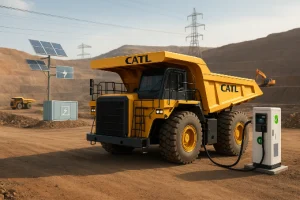
Advanced technologies are essential for maximizing energy efficiency in the mining sector. Leading companies in the industry, such as Hitachi Construction Machinery (HCM), are at the forefront of driving electrification and energy management solutions. HCM’s electric-powered hydraulic excavators and AC-drive haul trucks offer a greener and more efficient solution, with reduced emissions and improved energy efficiency. As an industry journalist, it’s fascinating to see how their trolley-assist haul trucks, powered by electricity from overhead wires, have proven to significantly reduce emissions by over 50% in specific scenarios.
In addition, energy management programs have shown to be incredibly successful. According to a report by Deloitte, mines can significantly decrease their energy consumption through efficient energy management. Existing mines have the potential to reduce their total energy usage by 15-20%, while new mines can achieve even greater reductions of up to 50% by incorporating energy management into their design from the very beginning. These programs encompass a thorough approach to managing and enhancing energy consumption, ensuring regular upkeep, and implementing energy-saving equipment.

Government and Corporate Initiatives
Large sums of money are being invested in clean energy initiatives on mining sites by both governments and corporations. Arizona is home to an exciting project by the Freeport Minerals Corporation. They are utilizing cutting-edge technology to recover copper from previously mined materials. The project combines microgrid technology, geothermal clean heat, and a battery energy storage system. It’s a remarkable endeavor that showcases innovation in the industry. This project, backed by a substantial $80 million federal cost share, is focused on the important goals of reducing emissions and enhancing energy resilience.
Comparably, the Nevada Gold Mines (NGM) project entails building three operational gold mines with solar photovoltaic facilities and battery energy storage systems. This project is projected to have a significant impact on reducing emissions, with an estimated reduction of 3.5 million tons of CO2 over its lifetime. Additionally, it is expected to generate around 300 full-time jobs, providing valuable employment opportunities for the local workforce. The project will also offer various training and educational programs, further contributing to the development of the local community.
The Path Forward
Although progress has been made, the mining industry still faces challenges in transitioning to renewable energy. The upfront expenses associated with renewable infrastructure and the challenges of integrating it into existing operations can be significant. Nevertheless, the extensive advantages, such as lower operational expenses, adherence to environmental regulations, and improved corporate image, make this shift absolutely necessary.
The “Mining the Sun” report by The Nature Conservancy highlights the immense opportunity of locating clean energy infrastructure on previously damaged lands such as former mines and brownfields. This approach has the potential to address a significant portion of the energy needs in the United States, all while promoting harmony within communities and safeguarding the environment and agricultural areas.
With the increasing global demand for minerals crucial to renewable energy technologies, it is imperative for the mining industry to expedite the implementation of sustainable practices. It is essential for mining operations to adopt renewable energy sources and advanced energy management strategies to meet the increasing demand while reducing their environmental footprint.