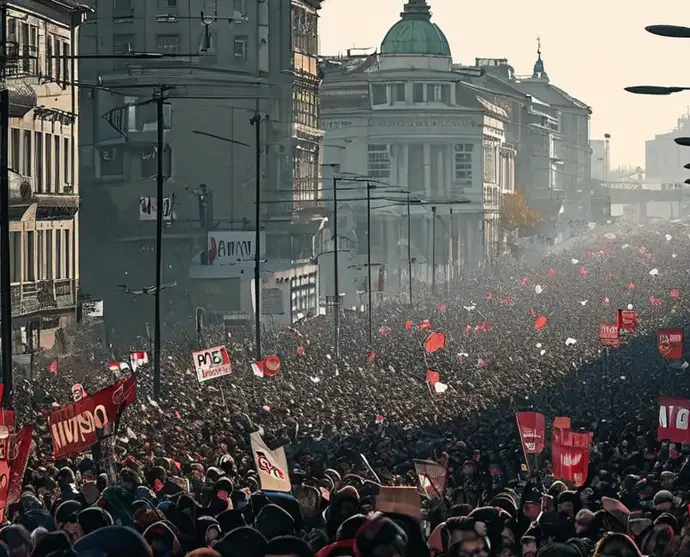

The protests, which culminated in a massive demonstration on August 10, 2024, reflect widespread public concern over potential environmental impacts and broader political grievances.
Background and Context
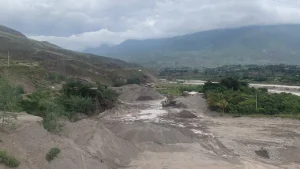
The proposed lithium mine is situated in the Jadar Valley, home to one of Europe’s largest lithium reserves. Lithium is a crucial component in batteries for electric vehicles, making it a highly sought-after resource as the world transitions to sustainable energy solutions. However, activists and environmentalists warn that the mining operations could lead to significant ecological damage, including contamination of land and water, which could threaten public health and local agriculture.
In 2022, the Serbian government initially halted the project following large-scale protests. However, the decision was reversed in July 2024 after a court ruling deemed the previous cancellation unconstitutional. This move has reignited public outcry, leading to the current wave of demonstrations.
The Protests
The recent protests in Belgrade are part of a broader series of demonstrations across Serbia. Tens of thousands of people have participated, voicing their opposition to the government’s decision to allow the mining project to proceed. Protesters have blocked major railway stations in the capital, demanding a permanent ban on lithium and boron mining in the country.
Chants of “There will be no mining” and “Treason, treason” echoed through the streets as demonstrators carried banners reading “No to the mine, exploitation, eviction” and “Rio Tinto, leave Serbia.” The protests have been organized by the Alliance of Environmental Organizations of Serbia, with support from various civic groups and prominent public figures.

You might be interested In
- Serbian Protests Erupt Over Environmental Concerns Linked to Rio Tinto’s Lithium Plans
- Rio Tinto Invests $350 Million in Rincon Lithium Plant Amidst Push for Electric Vehicle Batteries
- Rio Tinto to spend $9.4 billion on Simandou Iron Ore Mine
- Mining giant Rio Tinto’s CEO says Canada is an ‘amazing opportunity’
Government and International Reactions
The Serbian government, led by President Aleksandar Vučić, has defended the project, emphasizing the potential economic benefits and pledging to adhere to strict environmental standards. The government has also accused the protests of being politically motivated, suggesting foreign interference aimed at destabilizing the administration.
Internationally, the European Union has shown support for the project, viewing it as a strategic move to secure raw materials essential for the green transition. This aligns with broader EU goals to reduce dependency on imports from countries like China. However, this stance has been met with skepticism by many Serbians, who fear the environmental costs outweigh the economic gains.
Broader Implications
The protests highlight deep-seated public dissatisfaction with the Serbian government, extending beyond environmental concerns. Critics argue that the government’s actions prioritize corporate and foreign interests over the welfare of its citizens. The demonstrations have become a platform for expressing broader discontent with the government’s handling of various issues, including transparency, governance, and media freedom.
As the protests continue, the Serbian government faces mounting pressure to address the concerns of its citizens and reconsider its approach to the lithium mining project. The outcome of this conflict could have significant implications for Serbia’s environmental policy and its relationship with international partners.