
As the global energy transition accelerates, Australia’s mining industry finds itself at a crossroads. Rich in resources but facing an acute shortage of STEM talent, the sector’s future hinges on cultivating a new generation of skilled workers. Suzy Urbaniak, a geologist and former school teacher, has dedicated two decades to addressing this challenge through the CoRE Learning Foundation, an initiative aimed at reshaping Earth science education.
At the recent World Mining Congress in Brisbane, Urbaniak emphasized that Australia’s resource-rich landscape could significantly contribute to global energy demands. However, she cautioned that the industry’s potential remains untapped without a strong pipeline of science, technology, engineering, and mathematics (STEM) professionals.
“The natural gift of resources can’t be realized without a robust STEM talent pipeline,” Urbaniak asserted, underlining the necessity of engaging young students early in their education. Her vision is clear: more primary and secondary students must be made aware of the crucial role the resources sector plays in the global economy, as well as the diverse career opportunities it offers.
You Might be Interested In
- BMA taps into renewables – Australian Mining
- Kingfisher Mining starts drilling at Australia’s Mick Well REE project
- New COO for Perseus – Australian Mining
- Evolution banks record year – Australian Mining
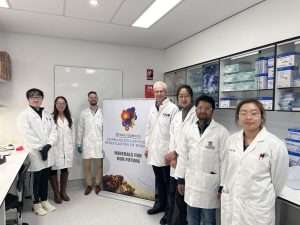
Urbaniak’s CoRE Foundation seeks to bridge this gap by transforming the way Earth science is taught in schools. The foundation’s flagship program, Gamifying Earth Science, aligns educational content with the digitalized future of the mining industry. This innovative approach has already reached over 20 schools and engaged more than 4,000 students through immersive field trips. In addition, about 70 schools nationwide have adopted CoRE’s game-based learning modules, exposing a broader audience to the sector.
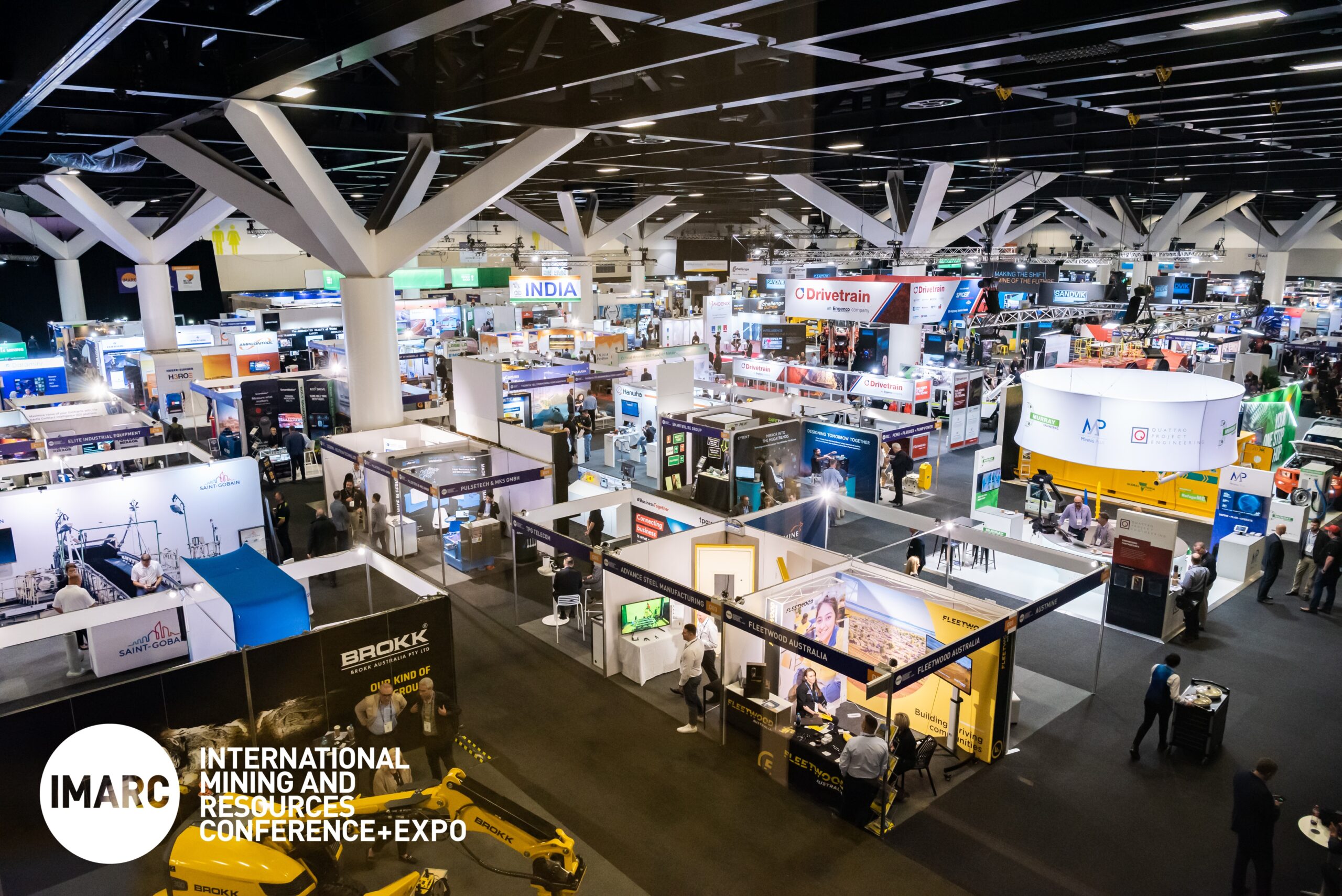
CoRE’s impact will be prominently featured at the upcoming International Mining and Resources Conference (IMARC) in Sydney. Urbaniak and her team will demonstrate their methods to an international audience of over 120 companies and 9,000 delegates. With nearly 400 students set to participate in hands-on activities, including a gamified booth experience and career speed-dating sessions with industry professionals, the event promises to spotlight the urgent need for educational innovation.

Urbaniak believes that building trust and fostering relationships are key to attracting future talent. “Nothing happens without a relationship. You need to have trust, and to remember that anything that comes out of your mouth, even if it’s one statement, is something that can be absorbed and maybe reflected on later,” she noted.
Her approach is rooted in a deep understanding of both the industry’s needs and the educational strategies required to meet them. “We need the industry to sustain our lives,” Urbaniak remarked, “but we must do so in a way that is sustainable, with strong environmental and social governance.”
The broader economic implications are clear. As Australia navigates the challenges of the energy transition, the success of initiatives like CoRE will play a critical role in ensuring that the mining industry remains both competitive and sustainable. The IMARC event, set for October 29–31 at ICC Sydney, will offer a vital platform for discussing these challenges and exploring the future of mining education.
In an industry where the stakes are as high as the challenges are complex, Urbaniak’s work represents a beacon of hope, ensuring that the next generation is not only aware of but prepared for the future of mining.