Analyzing Zimbabwe’s Strategic Developments Amidst Broader Regional Trends

In the aftermath of the 44th Southern African Development Community (SADC) Summit, held in Zimbabwe on August 17, 2024, the Zimbabwean government provided a comprehensive overview of the event, highlighting achievements and underscoring future challenges. The Summit, chaired by Zimbabwean President Emmerson Mnangagwa, was a critical diplomatic engagement, reflecting both the strategic importance of regional cooperation and the ongoing efforts to bolster Zimbabwe’s standing within SADC.
Summit Success and Strategic Initiatives
The Summit’s success was underscored by the seamless accreditation of over 3,000 delegates, ensuring robust participation from all member states at the highest levels. Zimbabwe’s preparatory work, particularly in Greater Harare, was meticulous. The government’s commitment to infrastructure development was evident in the rehabilitation of key roads, the refurbishment of the Robert Gabriel Mugabe International Airport VVIP Pavilion, and enhancements in ICT connectivity. These efforts not only facilitated the Summit’s smooth execution but also served as a testament to Zimbabwe’s ability to host large-scale international events.
The SADC Industrialisation Week, a precursor to the Summit, was another significant achievement. With over 3,500 participants, including regional and international stakeholders, the event showcased Zimbabwe’s industrial potential and its desire to lead SADC’s industrialization agenda. However, the challenge remains in sustaining this momentum, particularly in completing outstanding infrastructure projects and accelerating the development of the New City in Mt. Hampden.
Addressing Socioeconomic Pressures
While the Summit was a success, the Cabinet’s report also reflected Zimbabwe’s ongoing struggle with food security. The government’s Food Deficit Mitigation Strategy, covering the distribution of food aid to over six million beneficiaries, highlights the critical issue of food insecurity in the nation. Despite a high success rate in the distribution process, the underlying causes of food scarcity—drought, poor agricultural practices, and economic instability—remain unresolved. The government’s efforts to address these challenges through increased grain distribution are commendable, yet they also underscore the urgent need for long-term solutions.
In a related development, the Cabinet approved the relocation of Matabeleland North Provincial Offices from Bulawayo to Lupane. This move is part of the broader decentralization strategy, aiming to improve governance and public service delivery. The construction of necessary infrastructure in Lupane is near completion, with civil servants ready to relocate, marking a significant step in the government’s regional development agenda.

You Might be Interested In
- Zimbabwe: Government Bans Riverbed Mining
- Zimbabwe bans riverbed, alluvial mining with immediate effect
- Zimbabwe: Caledonia Records 20pc Jump in Gold Production
- Zimbabwe gold buying prices per gram 15 August 2024
Environmental and Economic Considerations in Mining
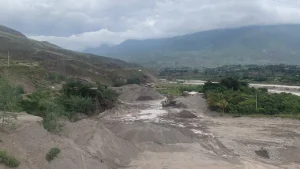
The environmental impact of mining activities, particularly alluvial mining, has emerged as a critical issue. Since its inception in 2011, large-scale alluvial mining has caused significant environmental degradation, including water pollution and the destruction of river ecosystems. In response, the Cabinet has banned riverbed mining, signaling a shift towards more sustainable mining practices. However, the challenge will be in enforcing this ban and rehabilitating the damaged ecosystems, which will require substantial investment and coordination among multiple stakeholders.
The government’s focus on environmental sustainability is also reflected in its progress reports on priority projects for the Second 100-Day Cycle of 2024. The timely disbursement of funds for various projects, including irrigation schemes and borehole drilling, indicates a proactive approach to addressing both environmental and economic challenges. The development of science laboratories and boarding facilities in schools across the country is another positive step, aimed at improving educational outcomes and fostering future economic growth.
Looking Ahead: Regional Integration and Economic Diplomacy
The Cabinet’s ratification of the 2005 SADC Protocol on the Facilitation of Movement of Persons is a significant development in Zimbabwe’s regional integration efforts. The protocol aims to remove obstacles to the free movement of people, goods, and services within the region, aligning with Zimbabwe’s broader economic diplomacy goals. This ratification, coupled with the launch of the e-Passport Biometric Enrolment Centre in Johannesburg, reflects the government’s commitment to enhancing its diaspora engagement and streamlining cross-border movement.
Zimbabwe’s participation in the inauguration of Rwandan President Paul Kagame on August 11, 2024, further highlights its diplomatic outreach efforts. The bilateral meetings between Presidents Mnangagwa and Kagame signal a strengthening of ties between Zimbabwe and Rwanda, with potential implications for regional cooperation and economic development.
Conclusion: Navigating Future Challenges
As Zimbabwe navigates the complex landscape of regional integration, economic development, and environmental sustainability, the government’s strategic initiatives, as highlighted in the post-Summit Cabinet review, represent both opportunities and challenges. While the successful hosting of the SADC Summit and progress in key infrastructure projects are positive indicators, the country must address its ongoing socioeconomic challenges and environmental concerns to ensure long-term stability and growth. The broader economic implications of these developments will be closely watched by both regional partners and international observers, as Zimbabwe seeks to solidify its role within SADC and beyond.