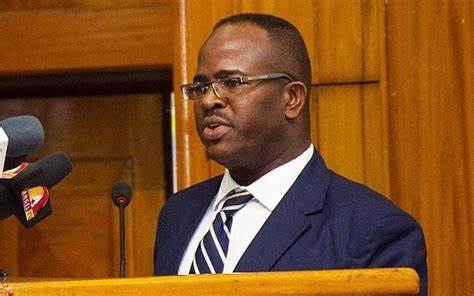
The small-scale mining sector plays a pivotal role in Ghana’s economy, contributing to job creation and economic development. However, the Ghana Chamber of Mines CEO, Sulemanu Koney, has stressed the urgent need for stricter regulation to ensure its long-term sustainability. Koney emphasized the importance of a well-regulated environment that protects natural resources while supporting the growth of small-scale mining operations.

Regulation and Licensing: A Path to Sustainable Mining
Koney highlighted the crucial role of regulatory frameworks, particularly Ghana’s Constitution and the Minerals and Mining Act (703), which mandates licensing before any mining activity. He reiterated that while small-scale mining is a significant contributor to the economy, ensuring that all operations are legal is vital to curbing illegal mining, which has led to environmental degradation and resource loss.
“Mining is beneficial, but it must be done according to the law,” Koney stated. “Our Constitution and mining laws require that no one mines without the proper licensing.” He further urged the government to take stronger measures in enforcing the laws to safeguard the future of the sector.
Related News
- South Africa’s Ferroalloys Industry Adapts to Green Energy Pressures Amid Global Challenges
- Canada’s The Metals Company Breaks Ground in Deep-Sea Nodule Processing
- MINExpo INTERNATIONAL® 2024: A Critical Convergence for the Mining Industry
- Global Mining Automation Market to Double by 2032, Driven by Safety, Efficiency, and Technological Advancements
- New Tech to Battle Corrosion: Game-Changer for Mining Equipment Maintenance
Making Small-Scale Mining Attractive to Ghanaians
Koney also addressed the need to make small-scale mining more accessible and appealing to Ghanaians. He believes that if the government provides the right support, including financial incentives and regulatory clarity, more locals will be encouraged to venture into the sector legally.
“We support small-scale mining, but it needs to be made more attractive. The country should do everything possible to help potential miners enter the industry through legal channels,” Koney emphasized.
Collaboration for Training and Safety Programs
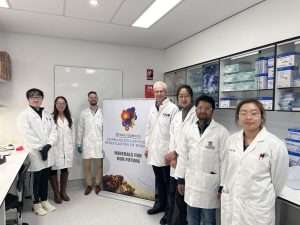
To improve the safety and operational standards of small-scale mining, Koney called for more collaboration between educational institutions and industry bodies. He pointed to ongoing partnerships with the University of Mines and Technology (UMaT) to train mining engineers and professionals in health, safety, and environmental management.

“Working closely with UMaT, we are ensuring that mining engineers and health and safety professionals are adequately trained to operate within the small-scale mining sector,” Koney noted. These programs, tailored specifically for small-scale mining, are designed to enhance the overall quality of mining practices across the country.
Co-Regulation: A Joint Effort Between Public and Private Sectors
In addition to government oversight, Koney advocated for co-regulation that involves both the Minerals Commission and private stakeholders. This collaborative approach, according to Koney, would allow for more comprehensive monitoring and enforcement, ensuring compliance with mining laws at every level.
“There’s room for private sector regulation alongside government efforts. Co-regulation could strengthen the system and ensure more effective oversight of the small-scale mining sector,” he concluded.
Sulemanu Koney’s call for stricter regulations and a collaborative approach to small-scale mining underscores the need for a well-structured, legally compliant sector that protects Ghana’s natural resources. Through licensing, training, and co-regulation, Koney believes the sector can thrive, benefiting both the economy and the environment in the long term.
He highlighted the need for effective regulation and monitoring to create a thriving environment for small-scale miners while protecting the nation’s natural resources.
“Mining is good, but look at the laws of this land. Our Constitution and the Minerals and Mining Act (703) require that you get a license before you mine,” Mr Koney stressed.
He called for more stringent adherence to the legal frameworks governing the sector.
Koney reiterated that while small-scale mining plays a crucial role in the economy, it must be regulated to curb illegal activities.
He urged the government to make small-scale mining more attractive and accessible to Ghanaians who wish to venture into the industry.
“We are all for small-scale mining and supporting it, but we should make small-scale mining attractive. Support them, help them in the best way we can as a country,” he stated.
To enhance regulation, Koney advocated for training and certification programs for small-scale miners in collaboration with key institutions.
He mentioned that the Ghana Chamber of Mines is already working with the University of Mines and Technology (UMaT) to ensure that professionals in health, safety, and environmental management receive the necessary training to improve small-scale mining practices.
“We are working with the University of Mines and Technology to ensure that mining engineers and others in the health and safety space are given the requisite training, adapted for small-scale mining,” Koney said.
He further called for collaboration between the Minerals Commission and private sector stakeholders, emphasizing the need for co-regulation to monitor and regulate activities effectively.
“There’s also space for private sector regulation, co-regulation, so to speak,” he added.