The death toll in a prolonged standoff between South African police and miners working illegally in an abandoned gold mine has risen to at least 87, authorities reported on Thursday. This grim revelation comes as the months-long rescue operation at the Buffelsfontein Gold Mine, located southwest of Johannesburg, officially concluded.

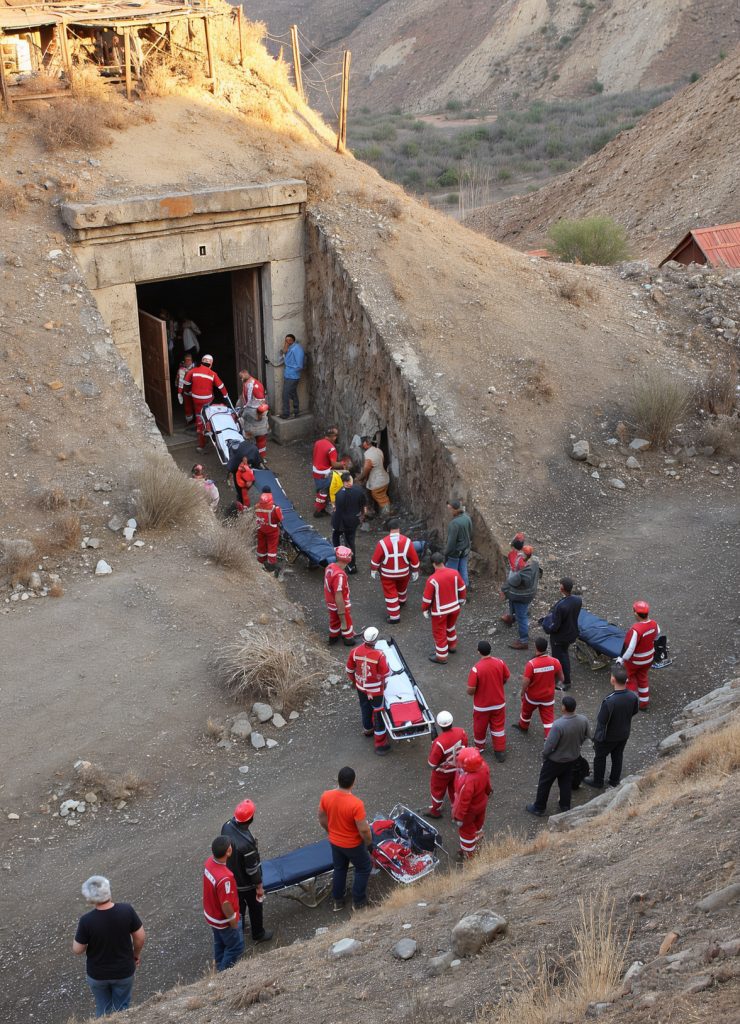
National police spokesperson Athlenda Mathe confirmed that 78 bodies were recovered during an official rescue operation that began on Monday. Nine additional bodies had been retrieved earlier through separate efforts. Authorities believe the miners died of starvation and dehydration after becoming trapped underground.
The standoff began in August 2024 when nearly 2,000 miners—many of them foreign nationals from neighboring countries—were reportedly operating illegally in the mine. Over the months, approximately 240 survivors emerged, either through self-rescue or organized operations. Among them were 13 children, according to police reports. All survivors have since been taken into custody.
Related News
- Trump Administration Could Spur Deep-Sea Mining Boom Amid Controversy
- Greenland Mining and Closer U.S.-Greenland Relations
- Mining Industry Trends 2025: Navigating a Geopolitical and Economic Gauntlet
- Mine Safety: U.S. Mining Industry Achieves Milestone of No Pattern of Violations
On Wednesday, police announced the conclusion of the rescue mission, stating that they believed no one remained underground. To confirm this, cameras were lowered into the mine’s shafts on Thursday. The mine, one of the deepest in South Africa, forced miners to operate at depths reaching 2.5 kilometers (1.5 miles) below the surface.
The rescue effort has faced sharp criticism from civic organizations and the public. Authorities previously halted the delivery of food and supplies to the miners, with a government minister claiming the tactic was meant to “smoke them out.” Critics argue that this approach significantly contributed to the high death toll by depriving miners of essential resources and leaving many stranded underground. In response to the government’s actions, community groups launched independent rescue attempts after officials initially declined to intervene, labeling the miners as “criminals.”
Activists and advocacy groups have called for an independent inquiry into the handling of the incident. They accuse authorities of mismanagement and failing to prioritize humanitarian aid, potentially worsening the tragedy.

While police maintain that miners could have exited through multiple shafts, advocacy groups representing the workers contest this claim, asserting that some were trapped underground and left to die.
The Buffelsfontein disaster has reignited national debates about the risks of illegal mining in South Africa and the government’s role in balancing law enforcement with the protection of human lives.