How China’s Green Energy Expansion is Reshaping the Copper Industry
China’s copper demand is playing a crucial role in stabilizing global copper markets, even as economic slowdowns and geopolitical tensions impact demand in other regions. The country’s rapid investment in renewable energy copper usage, electric vehicles (EVs), and grid infrastructure is keeping copper consumption strong. However, concerns over supply bottlenecks, potential oversupply, and material substitution could influence the long-term outlook for the metal.

China’s Green Energy Strategy: A Key Driver of Copper Demand
As the world’s largest consumer of copper, China is spearheading the transition to clean energy. The metal is fundamental to renewable energy copper usage, as it is widely utilized in solar panels, wind turbines, and EVs.
Related News
- Resources Top 5: Fortescue Splashes Cash on $254M Takeover of Red Hawk
- The Hidden Cost of Critical Minerals: How Rwanda’s Exploitation of Eastern Congo Fuels a 20-Year Crisis
- GoviEx Uranium Advances Muntanga Project with Strong Feasibility Study Results
- China’s dominance over critical minerals isn’t just an economic edge—it’s a global power move!
EV Boom Accelerates China Copper Demand
China is the global leader in electric vehicle production and adoption. In 2023, over 8 million EVs were sold, a number expected to grow further in 2024. Each EV requires nearly three times more copper than conventional vehicles due to its reliance on copper-intensive components such as motors, batteries, and charging infrastructure.
Government incentives, tax breaks, and large-scale infrastructure projects are fueling this demand. With ongoing investments in charging networks and battery technology, China’s EV sector will continue to be a major force in renewable energy copper usage.
Solar and Wind Power Expansion Requires More Copper
China is also leading the world in solar panel and wind turbine installations. According to the International Energy Agency (IEA), China is projected to account for 60% of global renewable energy expansion by 2030. This massive deployment requires extensive copper wiring, transformers, and connectors to integrate new energy sources into the grid.
More Read

Additionally, large-scale power grid upgrades are necessary to handle increased electricity loads from renewable sources. These infrastructure improvements further solidify China copper demand, ensuring continued market stability for the metal.

Global Copper Supply: Can It Keep Up with China’s Demand?
Despite China’s strong appetite for copper, the global market faces challenges in maintaining a steady supply. The International Copper Study Group (ICSG) forecasts a 469,000-ton surplus in 2024, easing to 194,000 tons in 2025. This excess supply results from years of aggressive mining expansion that has outpaced actual demand growth.
Supply Chain Risks and Volatility
While major copper producers in Chile and Peru dominate global supply, the industry remains vulnerable to:
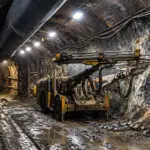
- Political instability disrupting mining operations.
- Logistical challenges affecting exports.
- Declining ore quality increasing production costs.
These risks contribute to price volatility, making it harder for companies to plan long-term copper investments.
Warintza Project: A New Copper Source to Meet China’s Demand
To diversify supply and stabilize prices, new mining projects like the Warintza Project in Ecuador, led by Solaris Resources (TSX:SLS, NYSEAmerican:SLSR), are gaining attention. Positioned as a sustainable copper source, Warintza reflects the industry’s growing focus on responsible mining practices. Investors are closely watching such developments as they seek reliable, long-term copper supply solutions.
China’s Strategy: Reducing Dependency on Newly Mined Copper
Recognizing the risks of supply disruptions, China is taking proactive steps to secure its copper needs.
Material Substitution: Aluminum as an Alternative
One approach is material substitution, where aluminum replaces copper in applications where conductivity requirements allow. Aluminum is:
- More abundant and domestically available.
- Cheaper than copper, reducing import dependence.
- Lighter, making it suitable for certain electrical applications.
Although aluminum cannot replace copper in all industrial uses, this shift could ease pressure on China copper demand over time.
Copper Recycling: A Sustainable Solution
China is also ramping up its copper recycling efforts. The country plans to increase recycled copper output from 2.5 million tons in 2024 to over 3.5 million tons by 2030. Recycling not only reduces reliance on newly mined copper but also aligns with China’s carbon reduction goals. By prioritizing secondary copper production, China aims to stabilize supply while minimizing environmental impact.
The Future of Copper: Sustainability and Market Stability
While China’s demand has helped support the copper market, long-term sustainability challenges persist. Factors such as:
- Stringent environmental regulations affecting new mining projects.
- Community resistance to large-scale extraction efforts.
- Rising operational costs due to declining ore quality.
Latin America, home to major copper reserves, will play a critical role in meeting future demand. However, projects like Warintza must overcome regulatory and infrastructure hurdles to become viable supply sources. The industry’s ability to balance environmental responsibility with economic necessity will shape the future of China copper demand and global market trends.
China’s Influence on the Copper Market
China’s aggressive investment in renewable energy copper usage has provided stability to global copper demand, preventing sharp downturns in the market. However, long-term supply risks persist, with new mining projects taking years to develop.
With material substitution and recycling in focus, China is positioning itself to mitigate supply disruptions. However, as global electrification accelerates, fresh copper sources will remain essential. The coming decade will test whether China’s strategies can sustain China copper demand while ensuring a secure, environmentally responsible supply chain.