Ukraine Signals Openness to Rare Earth Mining Partnerships
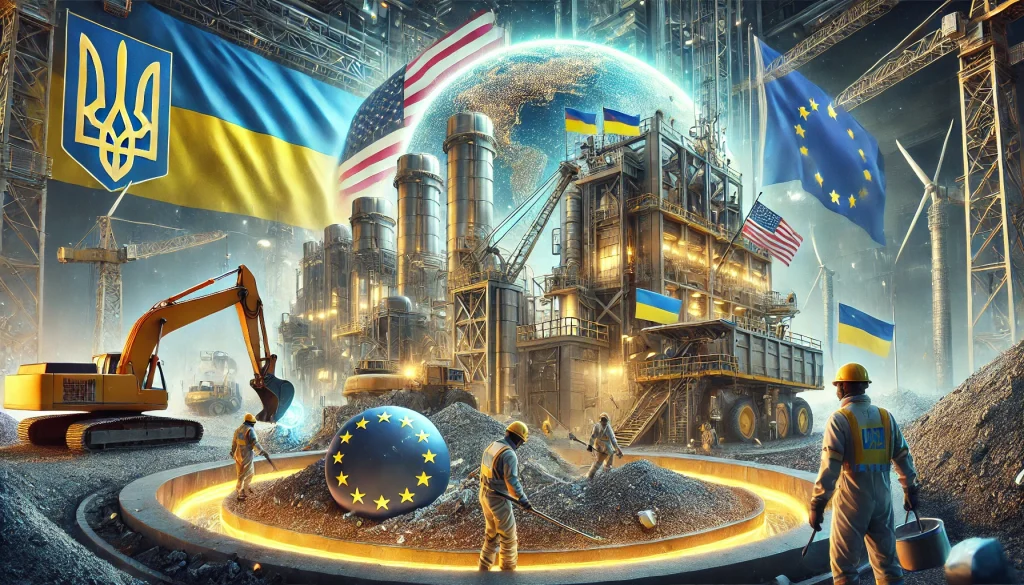
Ukraine is signaling openness to developing its vast rare earth mineral reserves in cooperation with international partners, President Volodymyr Zelensky said on Feb. 4 during a press briefing in Kyiv. His remarks come amid growing speculation that the U.S., under President Donald Trump’s administration, is eyeing Ukraine rare earth mining opportunities as part of a broader strategy to counter China’s dominance in the global market.

Strategic Resources for Strategic Alliances
Zelensky framed Ukraine rare earth mining as a bargaining chip, tying potential development deals to military and financial aid from Western allies.
“We are open to the idea that mineral resources can be developed with our partners who help us protect our land and push the enemy back with their weapons, their presence, and sanctions packages,” Zelensky stated.
His comments suggest that Kyiv is willing to offer access to Ukraine rare earth mining in exchange for continued Western backing in its fight against Russia’s invasion. Since 2022, the U.S. has provided over $91 billion in aid to Ukraine, with more than $62 billion allocated for military assistance.
Zelensky first proposed foreign investment in Ukraine rare earth mining as part of his 10-point peace plan in 2023. The initiative, which has yet to gain full international traction, includes securing Ukraine’s economic future through resource development.
Related News
- What Space Debris and Deep-Sea Mining Can Teach Us About Cleaning Up Earth’s Orbit
- Capricorn Metals Expands WA Exploration with Mummaloo Acquisition
- Keystone Project Nevada: U.S. Gold Corp.’s High-Stakes Bet in the Cortez Trend
- Resources Top 5: Fortescue Splashes Cash on $254M Takeover of Red Hawk
A New Front in the Rare Earths Battle?
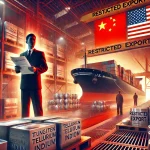
Trump has not publicly detailed which rare earth elements the U.S. seeks, but his administration’s interest aligns with Washington’s broader push to secure critical supply chains. China currently controls 70% of the world’s rare earth mining capacity and 90% of global processing operations.
If Trump pursues access to Ukraine rare earth mining, it could mark a significant step in his “America First” economic agenda. Securing alternative supplies would reduce U.S. reliance on Beijing, which has previously leveraged rare earth exports as a geopolitical tool.

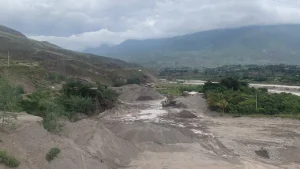
Ukraine is home to 20 of the world’s most critical minerals and metals, including titanium, essential for aerospace and defense, and lithium, a key component for EV batteries. Additionally, Ukraine possesses rare earth elements such as cerium, yttrium, lanthanum, and neodymium—materials vital for high-tech industries, including wind turbines and advanced electronics.
Geopolitical Risks and Strategic Calculations
Zelensky also raised concerns about Russia’s potential role in the global rare earths trade. If Moscow gains control over key Ukrainian deposits, he warned, it could enable adversarial regimes such as Iran and North Korea to access these resources.
“I know that they (American businesses) are really interested in entering Ukraine, and I would like them to develop this area here,” Zelensky added.
The geopolitical stakes are high. Russia is already a key supplier of titanium to the global aerospace industry, and any expansion of its control over Ukraine rare earth mining could further shift supply chains away from the West.
Uncertainties Around U.S. Policy on Ukraine Rare Earth Mining
Despite Trump’s reported interest, uncertainty looms over the future of U.S. aid to Ukraine. The former president has repeatedly criticized the Biden administration’s support for Kyiv and has suggested a more transactional approach to foreign assistance.
If the U.S. ties future military aid to Ukraine rare earth mining access, it could put Ukraine in a difficult position—balancing economic incentives against potential security risks.
For now, Zelensky’s offer signals a willingness to explore rare earth mining partnerships, but whether such deals materialize depends on Washington’s next move.