Key Takeaways
- Latin America faces eroding ore grades and rising competition but is stepping up policy shifts to sustain copper leadership.
- Chile grapples with declining copper quality, straining costs and output.
- Argentina’s incentives are positioning it as a nimble challenger within the region.
- China’s growing smelting capacity underscores the urgency of diversifying buyers and building local processing.
- New discoveries and exploration are helping offset production headwinds.
Latin America Pivots to Sustain Copper Dominance as Chile’s Riches Thin
In Argentina’s windswept San Juan province, fresh drill rigs mark a rare surge of optimism. A package of tax breaks and currency exemptions—known as Argentina copper mining incentives—is drawing attention from producers long wary of Latin America’s bureaucratic hurdles. The policy, effective since 2024, aims to revitalize Argentina’s copper sector and claim a bigger stake in Latin America copper production.

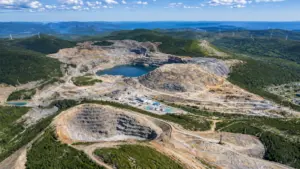
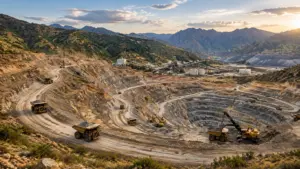
The timing is no accident. While the region still supplies over 40% of global copper demand, Chile copper mining decline is accelerating. Chile’s flagship mines, including Escondida, have seen ore grades slip below 1%, threatening their cost advantage. BHP’s copper unit produced 22% more metal in early 2025, but only by moving more rock with higher energy and water inputs.
“The bulk of copper coming out of Chile and Peru is increasingly lean,” said Ioannis Tsitos, chair of Blue Lagoon Resources’ mining committee. “Maintaining output means mining more rock for the same metal.”
Meanwhile, the Democratic Republic of Congo boasts ore grades surpassing 3%, and China’s $2.4 billion investments in domestic mining and copper smelting capacity expansion could soon upend the market.
Argentina’s Policy Playbook
Argentina’s incentives reflect a growing consensus that Latin America copper production must evolve. The Incentive Regime for Major Investments offers tax stability and exemptions for projects over $200 million, drawing comparisons with more liberal frameworks elsewhere in Latin America.
Scot Anderson, mining expert at Womble Bond Dickinson, said:
More Read
“There is opportunity there given the demand for copper. For any country trying to break free of Chinese dominance on the mineral processing side, it is economically appealing to build more capacity.”
Argentina’s approach contrasts with Chile’s slow-moving regulatory reforms and water scarcity, which compound the copper ore grades Latin America challenge.

The China Factor
China remains Latin America’s dominant buyer, importing nearly $38 billion in copper concentrate from Chile and Peru last year. But as Beijing expands domestic production and smelting, the region’s dependence looks increasingly precarious.
Gayathri Siripurapu, a senior analyst at GlobalData, noted these shifts are “gradually reducing Latin America’s dominance.”
Despite this, Latin America copper production is forecast to rise to 11.4 million tonnes by 2030, supported by new discoveries such as Lundin Mining and BHP’s landmark find at Filo del Sol.
Exploration and New Frontiers
Juniors like Latin Metals and Hot Chili are accelerating exploration campaigns to offset Chile copper mining decline. Investors, meanwhile, are returning to Latin America as electrification and AI infrastructure drive global copper demand forecasts to record highs.
“Shareholders increasingly ask, ‘Why not copper exploration?’” Tsitos said. “The geology is there, and the demand isn’t going away.”
Natascha Nunes da Cunha at the Inter-American Development Bank emphasized:
“Downstream copper processing offers better margins, skilled jobs, and geopolitical leverage. But in much of Latin America, it’s still peripheral.”
A Decisive Decade Ahead
Latin America’s next move will determine whether it remains the world’s copper powerhouse or cedes that mantle to faster-growing competitors. As Chile grapples with declining ore quality and Argentina ramps incentives, the region sits at a strategic crossroads.