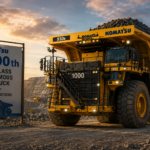
Mining equipment doesn’t get reimagined overnight. Truck beds are blunt instruments designed to survive geology, not win environmental awards. Which makes Schlam’s latest move particularly striking: the company just deployed the world’s first mining truck beds made from 100% carbon-free steel in large-scale open-pit operations.

The product line is called Xeroline. It’s built with SSAB Zero steel: fossil-free material that eliminates embedded carbon at the smelting stage. The beds are rolling out across Schlam’s full Hercules range: 100-tonne to 400-tonne payload capacity, covering standard Hercules, Hercules EXO, and Hercules ULTRA variants. Every configuration is now available with zero-carbon steel.
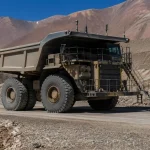
This isn’t a demonstration project. Tier 1 Australian miners have been running these units in Pilbara conditions for 12 months. No discernible performance difference from standard beds, according to field feedback.
The Carbon Math: 66% Reduction in Embedded Emissions
A conventional Hercules truck bed carries roughly 100 tonnes of embedded CO₂: the greenhouse gas footprint locked into the steel during production. That figure accounts for mining iron ore, smelting it with coking coal, and forming structural plate.
Xeroline drops that number to an average of 35 tonnes CO₂ per truck bed. That’s a 66% reduction. Per unit.


The calculation is straightforward. SSAB Zero uses hydrogen-based direct reduction instead of blast furnaces. No coal. No coke. The process runs on renewable electricity and emits water vapor instead of carbon dioxide during ironmaking. The result is steel with the same metallurgical properties but a fraction of the lifecycle emissions.
A typical truck bed weighs around 25 tonnes. Multiply that by fleet size: dozens or hundreds of units across a mining operation: and the embedded carbon savings start to register at the portfolio level. For miners tracking Scope 3 emissions (the indirect footprint tied to purchased goods), this is one of the few levers they can actually pull without redesigning entire operations.
Performance Parity: Same Strength, Same Durability, Same Service Life
The critical question with any material substitution is whether it performs. Mining equipment operates in environments that destroy machinery: abrasive ore, thermal cycling, impact loading, and maintenance schedules measured in years, not months.
Schlam’s Xeroline beds maintain identical mechanical properties to traditional Hercules models. Same tensile strength. Same wear resistance. Same structural integrity under cyclic loading. The green steel isn’t a compromise: it’s a direct replacement.
This matters because lightweight design has been Schlam’s competitive edge. Hercules beds are engineered to maximize payload-to-tare-weight ratios, allowing mines to move more ore per truck cycle without exceeding axle limits. That design philosophy doesn’t change with Xeroline. The beds still deliver up to 10% additional payload capacity compared to conventional alternatives, which translates to fuel efficiency gains and lower emissions per tonne of material moved.

The long-life component is equally important. Mining operations don’t retire truck beds on a fixed schedule: they run them until structural fatigue forces replacement. Xeroline units are built to the same service-life targets as standard models, meaning mines aren’t trading emissions reductions for accelerated capital expenditure cycles.
Field Testing: 12 Months in the Pilbara Without Performance Degradation
Two Xeroline units have been operating in Western Australia’s Pilbara region for a full year. The Pilbara is not a gentle proving ground. Summer temperatures exceed 45°C. Haul roads are unforgiving. Iron ore is abrasive. Equipment runs continuously.
Client feedback: no detectable difference in performance compared to standard beds.
That’s the validation point. Laboratory testing can demonstrate material properties. Field deployment under real mining conditions is what separates prototypes from commercial products. Schlam manufactured the first Xeroline units at its Forrestfield facility near Perth and delivered them to Australian miners already committed to emissions reduction pathways.
Additional contracts are now in place. Miners pursuing net-zero targets are placing orders, driven by both regulatory pressure and investor scrutiny on Scope 3 emissions. The calculus is simple: if you can cut embedded carbon by two-thirds without compromising performance or service life, the decision writes itself.
The SSAB Zero Supply Chain: Hydrogen-Based Steelmaking at Scale
SSAB Zero isn’t experimental steel. It’s a commercial product line backed by one of Europe’s largest steelmakers. SSAB operates integrated production facilities in Sweden and Finland using fossil-free processes. The company has been scaling hydrogen-based direct reduction since 2021, moving from pilot plants to commercial output.
The technology substitutes hydrogen for coal in the reduction of iron ore. Traditional blast furnaces use coke (metallurgical coal) to strip oxygen from iron ore, producing liquid iron and releasing massive volumes of CO₂. Hydrogen reduction uses hydrogen gas instead. The byproduct is water, not carbon dioxide.
SSAB sources renewable electricity to produce green hydrogen via electrolysis, then uses that hydrogen in direct reduction furnaces. The resulting sponge iron feeds electric arc furnaces to produce finished steel. The entire value chain: from ore processing to final product: operates without fossil fuel combustion.

This isn’t hypothetical capacity. SSAB delivered its first commercial fossil-free steel shipments in 2021. The company is now ramping production volumes to meet industrial demand, with mining equipment emerging as a natural early-adopter segment. Heavy machinery manufacturers require high-strength structural steel, making them ideal customers for zero-carbon plate and sections.
Schlam’s Xeroline is one of the first large-scale deployments of SSAB Zero material in open-pit mining equipment. Fossil-free steel has appeared in underground and quarry applications: smaller payload capacities, shorter haul distances. Xeroline marks the first use in 100-tonne-plus truck beds designed for bulk earthmoving.
Industry Context: Scope 3 Emissions and the Capital Goods Problem
Mining companies publish net-zero commitments. Most target 2040 or 2050. Scope 1 emissions (direct operations) and Scope 2 (purchased electricity) are relatively straightforward to address through electrification, renewable energy contracts, and operational efficiency. Scope 3: the indirect footprint embedded in supply chains: is far harder to reduce.
Capital goods are a major Scope 3 contributor. Every truck, loader, crusher, and conveyor system carries embedded carbon from manufacturing. Steel production alone accounts for roughly 7% of global CO₂ emissions, most of it from blast furnace operations. When a mine orders equipment, it inherits that carbon footprint.
Xeroline represents a rare opportunity: a drop-in solution that cuts embedded emissions without requiring mines to redesign fleets or processes. The beds bolt onto existing Caterpillar, Komatsu, and Hitachi haul trucks. No modifications. No integration challenges. The only variable that changes is the carbon intensity of the steel.
That’s a lever most miners didn’t have 18 months ago. Scope 3 reductions have historically relied on supplier engagement: nudging equipment manufacturers and steelmakers toward cleaner processes over multi-year timelines. Xeroline collapses that timeline. Order the bed. Install it. Report the emissions reduction.
What Comes Next: Scaling Green Steel Across Mining Fleets
Schlam has committed to net zero Scope 1 and 2 emissions by 2040. The company is embedding carbon-free steel across its product portfolio, not just as a premium option. That signals an industry inflection point: decarbonized materials are moving from niche sustainability plays to standard specifications.
The question is supply. SSAB is scaling hydrogen-based steelmaking, but the transition from pilot-scale to mass production takes time. Green hydrogen production requires massive renewable electricity capacity. Iron ore direct reduction plants require capital investment. The steel industry’s decarbonization timeline runs parallel to mining’s net-zero commitments, and both depend on infrastructure buildout that’s still underway.
Xeroline proves the technology works. Performance parity is no longer hypothetical. The carbon math is validated. What remains is industrial logistics: expanding green steel output to meet demand from mining, construction, automotive, and other heavy industries simultaneously pursuing emissions reductions.
For miners, the strategic calculation is straightforward. Every truck bed replacement cycle is an opportunity to cut embedded carbon by 66%. Every new fleet order can specify zero-carbon steel without sacrificing payload capacity or service life. The performance risk has been eliminated. The supply chain is commercial, not experimental.
Schlam just removed the last objection.
Source: Skillings Mining Review (Data as of February 16, 2026)