By Charles Pitts

The global transition toward a high-performance, low-carbon economy has historically centered on lithium, copper, and nickel. However, as 2026 unfolds, a less-celebrated element: molybdenum: is increasingly dominating the strategic conversations of G7 policymakers and institutional investors. Once relegated to the shadows of the steel industry, molybdenum (or “moly”) has emerged as a linchpin for aerospace, defense, and green energy infrastructure.
The shift is most visible in the high Arctic, specifically within the rugged terrain of East Greenland. Here, the convergence of supply chain insecurity and rising industrial demand is driving G7 capital toward primary molybdenum projects like Greenland Resources’ Malmbjerg. This deep-dive explores the fundamental drivers, the geopolitical mechanics of the Arctic shift, and the 2026 outlook for this critical mineral.
The Molybdenum Mandate: Why 2026 is a Turning Point
Molybdenum is prized for its ability to withstand extreme heat and resist corrosion, making it essential for high-strength steel alloys. While the steel sector accounts for approximately 70% of global consumption, the growth narrative has pivoted toward high-spec applications.
Recent market data indicates a structural shift. Global molybdenum demand is forecast to grow at a CAGR of 4.7% through 2036, with the US market value alone projected to reach $822.02 million by the end of 2026. This growth is not merely a rebound; it is driven by the specific requirements of the energy transition and advanced manufacturing.
More Read

Primary Demand Drivers in G7 Economies
- Aerospace & Defense: High-performance alloys for jet engines and military hardware are growing at a 6.9% CAGR.
- Renewable Infrastructure: Molybdenum-bearing steels are critical for offshore wind turbines and ultra-high-voltage transmission lines.
- Energy Transition: Hydrogen fuel cells and next-generation nuclear reactors rely on molybdenum’s thermal stability.


The Arctic Frontier: Greenland Resources and the Malmbjerg Advantage
The primary challenge facing the molybdenum market is its supply structure. A significant portion of global supply is produced as a by-product of copper mining. This means that molybdenum output is often tied to copper price cycles and operational decisions at copper mines, rather than molybdenum demand itself. This “inelasticity” creates periods of intense market tightness.
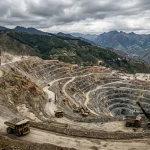
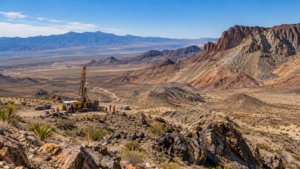
Enter the Arctic. The Malmbjerg project in East Greenland represents one of the world’s most significant primary molybdenum deposits. Unlike by-product operations, primary mines can scale production based on molybdenum market fundamentals.
More Read

Strategic Logic of the Malmbjerg Project
The project’s location within a Nordic regulatory framework is a significant draw for G7 capital. As Western nations move to “friend-shore” their critical mineral supplies, Greenland offers a stable, ESG-compliant alternative to traditional supply hubs. The project is designed to produce approximately 25 million pounds of molybdenum per year, providing a dedicated stream of high-purity material directly into European and North American markets.

The scale of infrastructure required for Arctic operations necessitates significant up-front capital, but the strategic payoff is long-term supply security.
Geopolitical Mechanics: The G7 Capital Shift
The movement of capital into the Arctic is not happening in a vacuum. It is being accelerated by specific policy instruments designed to break the reliance on non-aligned supply chains.
Export Credit Agencies and “Strategic Autonomy”
We are seeing an unprecedented level of cooperation between private equity and government-backed Export Credit Agencies (ECAs). For projects like Malmbjerg, ECAs from G7 nations provide the guarantees necessary to de-risk high-capex Arctic development. This is a direct response to the geopolitical risks seen in other mining sectors, where supply disruptions can paralyze downstream manufacturing.
The Competition for Supply
In March 2026, Chinese steel enterprises conducted a centralized procurement of nearly 15,000 tons of ferromolybdenum. This aggressive buying highlights the global competition for existing supply. For G7 nations, securing a “captive” supply in the Arctic is no longer just an economic advantage: it is a matter of industrial survival.
Operational Realities: Logistics and ESG in the High North
Mining in the Arctic is notoriously difficult. The logistical hurdles include short shipping windows, extreme weather, and the need for self-sustaining infrastructure. However, modern technology is mitigating these risks.
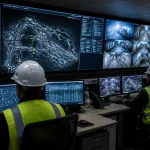
The use of autonomous fleet management and real-time telemetry is becoming standard in remote sites. These systems allow operators to monitor productivity and safety from centralized hubs, reducing the number of personnel required on-site and lowering the operational risk profile.

Modern control rooms allow for the management of remote Arctic sites with surgical precision.
The ESG Mandate
Investors are also scrutinizing the environmental impact of Arctic extraction. Greenland’s strict environmental standards, combined with the project’s commitment to low-carbon processing, align with the ESG requirements of G7 institutional funds. For many investors, a Greenland-based project represents a lower reputational risk compared to operations in regions with less transparent regulatory oversight.
2026 Molybdenum Market Snapshot
To understand the urgency of the capital shift, consider the following supply-demand dynamics entering the second half of 2026:
| Indicator | 2026 Status | Impact on Arctic Projects |
|---|---|---|
| Global Demand Growth | 2% – 5% (Est.) | Bullish; justifies greenfield capex. |
| Primary Supply Share | < 30% of global total | Increases value of dedicated primary mines. |
| G7 Inventory Levels | Below 5-year average | Drives urgency for long-term offtake. |
| Price Trend | Firm; sensitive to copper disruptions | Supports high-margin Arctic operations. |
2026–2030 Outlook: Base, Bull, and Bear Cases
As we look toward the end of the decade, the viability of Arctic molybdenum depends on several variables.
The Base Case
Steady demand growth from the aerospace and energy sectors keeps prices firm. G7 capital continues to flow into Greenland, with Malmbjerg reaching a Final Investment Decision (FID). Arctic mining becomes a cornerstone of the European “Strategic Autonomy” plan.
The Bull Case
A major disruption in South American copper-molybdenum by-product supply, combined with a surge in defense spending, sends molybdenum prices to historic highs. This accelerates the timeline for Arctic projects and draws even more aggressive capital from sovereign wealth funds.
The Bear Case
A global slowdown in high-end manufacturing or a significant expansion of low-cost Chinese by-product capacity dampens prices. While the strategic value of Arctic supply remains, the purely economic rationale for high-capex projects becomes more challenging to justify without direct government subsidies.

Conclusion
The “Molybdenum Surge” is a reflection of a new era in resource management. No longer content to rely on the whims of by-product supply or non-aligned producers, G7 economies are actively shaping their own mineral destinies. The flocking of capital to the Arctic is a high-stakes bet on the future of advanced industry: and for projects like Greenland Resources’ Malmbjerg, the timing could not be more critical.