By Charles Pitts

Jindal Group has announced a US$160 million investment to electrify its Moatize coal mine in Mozambique, signaling a major operational shift in one of Africa’s largest mineral basins. The initiative, spearheaded by the group’s subsidiary Vulcan Minerals, aims to transform the Tete-based complex into the continent’s first fully electric coal mine.
The investment package includes the construction of a 300-megawatt (MW) power system designed to provide a steady supply of electricity to mining equipment, processing plants, and the rail infrastructure connecting the mine to export corridors. By replacing diesel-powered haul trucks and machinery with an electric fleet, Jindal Group expects to significantly reduce its Scope 1 emissions and lower operational costs over the long term.
As of mid-2026, the project represents a pivotal moment for coal mining in sub-Saharan Africa, where operators are increasingly pressured to align with global mining ESG compliance 2026 standards. While the investment addresses the carbon intensity of the extraction process, it occurs against a backdrop of complex regulatory and social challenges in the Tete province.
Operational Overhaul: The 300MW Power System
The centerpiece of the Moatize electrification project is the development of a dedicated 300MW power infrastructure. According to company filings, this system is not merely for internal consumption; it is designed to stabilize the regional energy landscape.
The electrification program targets three primary operational segments:

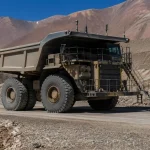
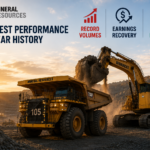
- Extraction Fleet: The transition from traditional diesel-powered ultra-class haul trucks to electric-drive models.
- Processing Facilities: Modernizing the wash plants and handling systems to run on high-voltage electrical inputs.
- Logistics: Electrifying sections of the rail transport that move metallurgical and thermal coal from the mine to the Nacala Logistics Corridor.
Surplus electricity generated by the facility is slated to be fed back into Mozambique’s national grid. This dual-purpose strategy positions the investment as both a corporate efficiency play and a critical contribution to national infrastructure, potentially alleviating frequent power shortages in the northern regions of the country.

Mining ESG Compliance 2026: Navigating the “Green Coal” Narrative
The US$160 million commitment is being framed by Jindal Group as a cornerstone of its ESG (Environmental, Social, and Governance) strategy. In 2026, the mining industry faces heightened scrutiny from institutional investors and lenders who are prioritizing decarbonization pathways even within the fossil fuel sector.
By electrifying the Moatize operations, Vulcan Minerals is targeting a substantial reduction in local air pollutants and greenhouse gas emissions associated with diesel combustion. However, industry analysts remain divided on the long-term ESG impact. While operational (Scope 1 and 2) emissions are expected to drop, the mine continues to produce thermal and metallurgical coal. The Scope 3 emissions: those generated when the coal is eventually burned by end-users in steel mills or power plants: remain unchanged.
This tension is particularly visible in the European market. ArcelorMittal, a major off-taker of Moatize coking coal, has faced criticism for its reliance on the Mozambique site while simultaneously receiving public subsidies for “green steel” initiatives. The electrification of Moatize allows these supply chain partners to report lower upstream carbon intensity, but it does not decouple the production process from the underlying carbon-heavy commodity.
Social and Regulatory Friction in Tete
Despite the high-profile investment, Jindal Group’s operations in Mozambique have not been without controversy. In late 2024 and throughout 2025, the Provincial Administrative Court of Tete faced a series of legal challenges from local communities and environmental advocacy groups.
Complaints have focused on coal dust levels, water contamination, and the proximity of extraction activities to residential areas. In one instance, the court ordered a temporary suspension of extraction in specific blocks of the mine until mitigation measures were verified. The US$160 million electrification project is partly a response to these local pressures; electric machinery is generally quieter and produces significantly less local particulate matter than diesel engines.
Furthermore, the project includes a “green cement” initiative, which intends to use the ash generated from the associated thermal power plants as a raw material for local construction. This circular economy approach is designed to mitigate the environmental footprint of waste products while providing low-cost building materials for the Tete province.
Market Snapshot: Moatize Coal Complex (2026)
The following table outlines the current operational status and projected impact of the US$160 million electrification investment.
| Metric | Pre-Electrification (Est.) | Post-Electrification (Target) | Change/Impact |
|---|---|---|---|
| Power Source | Diesel / Grid-tied (partial) | 300MW Dedicated Electric | Increased Reliability |
| Haulage Type | Diesel Ultra-Class Trucks | Electric Fleet | Lower Scope 1 Emissions |
| Annual Production | 12-15 Million Tonnes | 15-18 Million Tonnes | Efficiency Gains |
| Local Air Quality | High Particulate Matter | Reduced Dust/Emissions | ESG Compliance |
| Grid Contribution | Consumer | Net Producer (Surplus) | Regional Energy Support |
Strategic Context: The Shift from Vale to Jindal
The Moatize mine was previously owned by the Brazilian mining giant Vale, which exited the coal business in late 2021 as part of its own global decarbonization strategy. The sale to Jindal Group’s Vulcan Minerals for approximately US$270 million included both the mine and the Nacala Logistics Corridor.
Since the acquisition, Jindal has worked to rehabilitate the asset’s reputation and operational efficiency. The US$160 million investment represents nearly 60% of the original purchase price, highlighting the scale of the “modernization” required to bring the site up to 2026 industry standards. For investors, this mining investment Africa represents a calculated bet that high-quality metallurgical coal will remain a critical input for global infrastructure, provided it can be extracted with increasing efficiency.

Technological Integration and Real-Time Oversight
The shift to a fully electric operation requires more than just new trucks; it necessitates a sophisticated digital layer to manage energy distribution and fleet logistics. The Moatize complex is integrating advanced telemetry and remote monitoring systems to optimize the charging cycles of the electric fleet and ensure the 300MW power system operates at peak efficiency.
Inside the site’s command center, operators track real-time data on energy consumption, equipment health, and environmental metrics. This level of technological integration is becoming a standard requirement for maintaining a “social license to operate” in the 2026 mining landscape.

Outlook: The Future of Mozambican Coal
The electrification of Moatize is a landmark project for the Southern African Development Community (SADC). It demonstrates that even the most traditional extraction industries can adopt high-tech, lower-emission infrastructure when the economic and regulatory incentives align.
For Mozambique, the success of this project is tied to the broader national strategy of becoming a regional energy hub. By integrating large-scale mining operations with the national grid, the government hopes to attract further industrial investment and improve energy security for its citizens.
However, the long-term viability of the Moatize coal mine will ultimately depend on the global demand for coking coal and the company’s ability to navigate the evolving mining ESG compliance 2026 landscape. While electrification addresses the “how” of mining, the “what”: the continued extraction of coal: remains a point of intense debate in the global energy transition.
For more information on global mining trends and historical context, visit our About Us page or explore our Read History section. For the latest industry updates, check the Skillings Blog.