By Charles Pitts

KINSHASA, Democratic Republic of the Congo : Chronic energy shortages and deteriorating hydroelectric infrastructure in the Democratic Republic of the Congo (DRC) are emerging as the primary threat to global cobalt output stability this quarter. As the world’s leading producer of cobalt and a top-tier copper powerhouse, the DRC’s inability to stabilize its national grid is forcing major operators to choose between expensive self-generation or curtailed processing rates.
With the international market already navigating strict new export quotas and a volatile lithium spodumene pricing environment, the DRC’s power bottleneck has become a high-stakes variable for global battery supply chains.
The Hydroelectric Bottleneck: A Structural Crisis
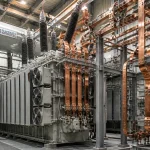
The DRC holds nearly 100 gigawatts (GW) of hydropower potential, yet as of mid-2026, the nation continues to struggle with a grid that operates at roughly 55% of its installed capacity. According to recent World Bank data and local utility reports, nearly half of the country’s 43-year-old hydro plants have never been rehabilitated, leading to an availability rate as low as 8% in certain isolated networks.
For the mining sector: which accounts for the vast majority of electricity demand in the Lualaba and Haut-Katanga provinces: the shortfall is catastrophic. Total unmet demand in the country is estimated to exceed 5,000 gigawatt-hours (GWh), a figure expected to triple by 2030 if infrastructure investment does not accelerate.
More Read

“The technical resource is abundant, but the operational reality is one of chronic undersupply,” said a Kinshasa-based energy consultant. “Large-scale mines like Tenke Fungurume and Mutanda are effectively operating as ‘islands,’ forced to finance their own power rehabilitation projects just to keep their concentrators running.”


Copper-First Pivot Amid Cobalt Volatility
The power crisis coincides with a strategic realignment among the world’s largest diversified miners. High energy costs: often three to four times higher when using diesel or heavy fuel oil (HFO) backups: are pushing companies to prioritize higher-margin copper production over cobalt.
More Read

Glencore and other majors have reportedly accelerated a “copper-first” strategy. While the 2026 copper deficit has supported a P/NAV re-rating for many producers, cobalt has remained under pressure due to significant stockpiling and a secondary market glut that began in 2024. In the first quarter of 2026, cobalt output from several key DRC sites dropped by nearly 40% year-over-year, while copper throughput increased by 19%.
The scale of modern operations, such as the Kamoa-Kakula complex: which now produces over 3% of the world’s copper: requires massive, uninterrupted power loads. When the grid fails, these high-throughput facilities face immediate production losses.
Table 1: DRC Mining Energy Outlook – 2026 Estimates
| Metric | 2018 Actual | 2026 Forecast | 2030 Projection |
|---|---|---|---|
| National Demand (GWh) | 10,000 | 19,500 | 28,000 |
| Mining Sector Share (%) | 45% | 58% | 62% |
| Unmet Demand (GWh) | 5,000 | 7,200 | 9,500 |
| Avg. Hydro Availability | 55% | 52% | 48% (without rehab) |
Regulatory Headwinds: Export Quotas and Stockpiling
Beyond physical energy constraints, the DRC government has tightened its grip on the market through regulatory intervention. To combat the price crash of 2025, the Ministry of Mines replaced its previous export ban with a strict annual cobalt quota system.
For 2026, the quota is capped at approximately 96,600 tonnes. This limit is designed to prevent a repeat of the 2025 supply surge, where companies like CMOC increased output despite falling prices, leading to massive domestic stockpiles. These regulatory caps, combined with the ongoing M&A supercycle, suggest that only the most efficient, power-secure operations will thrive in the current environment.

Lithium Spodumene: 2026 Pricing Drivers and Risks
While the DRC dominates the cobalt narrative, the lithium market is seeing its own stabilization phase this June. Lithium spodumene prices, which crashed from their 2022-2023 peaks, are beginning to find a “new normal” as higher-cost marginal supply is rationalized.
June 2026 pricing reflects a post-bubble cyclical recovery. Spot prices for 6% spodumene concentrate (SC6) are currently influenced by two main factors:
- Australian and African Marginal Costs: Producers are resisting sales below levels that sustain operational margins, particularly in lower-grade African hard-rock projects.
- Chinese Converter Utilization: Refining capacity in China remains the primary demand driver for spodumene, and any uptick in EV battery production targets immediately tightens the spot market.
Market analysts suggest that while lithium is unlikely to return to the record highs of 2022, the current floor is significantly higher than the 2024 lows, providing a more predictable landscape for investors.

Table 2: Spodumene Price Driver Matrix – June 2026
| Driver | Status | Market Impact |
|---|---|---|
| EV Demand (EU/China) | Moderate Growth | Bullish – Stabilization of subsidies |
| New Project Ramps | Delayed | Bullish – Permitting and power delays in Africa |
| Converter Stocks | Low | Bullish – Restocking expected in Q3 |
| Recycled Feedstock | Rising | Bearish – Increasing secondary supply |
Operational Risk and Investment Implications
For operators and investors, the DRC’s energy crisis is a reminder of the “infrastructure tax” inherent in critical mineral projects. To mitigate these risks, major players are increasingly partnering with the state utility, SNEL, to fund transmission lines and turbine upgrades.
“The projects that will win in 2026 are those that secured their power five years ago,” noted Penny Langford, senior analyst at Skillings. “Whether it’s through dedicated hydro rehabilitation or the nascent integration of small modular reactors (SMRs), energy security is now as critical as the grade of the ore in the ground.”
As the DRC continues to navigate its role as the world’s mineral pantry, the stability of its output will remain inextricably linked to the flow of the Congo River and the health of the turbines that harness it.