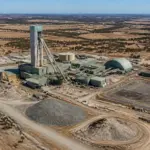
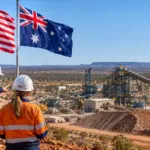
Illustrative editorial image; not a verified photograph of the Keşkek project.

ACG Metals has agreed to acquire the Keşkek gold project in western Türkiye for total cash consideration of US$7.85 million, targeting first production in mid-2027 as it seeks to extend the operating life of its nearby Gediktepe gold circuit.
The binding agreement with Meta Nikel Kobalt Madencilik Sanayi ve Ticaret A.Ş., or META, covers 100% of mining licence 60926 and the rights associated with the licence. The project covers approximately 666 hectares in Balıkesir province, about 70 kilometres from ACG’s Gediktepe mine.
The transaction comes as ACG moves Gediktepe toward copper and zinc concentrate production while looking for additional oxide ore to keep its existing gold-processing infrastructure in use. ACG announced first copper concentrate production at Gediktepe on Aug. 31 and said the operation had entered a ramp-up phase.
ACG Metals deal terms
According to ACG’s Sept. 7 regulatory announcement, the purchase price consists of an initial payment and a contingent component:
| Component | Amount | Trigger |
|---|---|---|
| Initial cash consideration | US$4 million | Definitive agreement and approval of licence transfer |
| Deferred cash consideration | Up to US$3.85 million | Environmental permitting and expected start of production |
| Total potential cash consideration | US$7.85 million | Completion of transaction conditions |
| Seller royalty | 1% of gross revenue | Gold produced from the licence area |
| Additional-resource payment | US$60 per ounce | Gold discovered outside the defined pit and converted to reserves |
The initial US$4 million payment is expected to become payable after the definitive agreement is executed and Türkiye’s General Directorate of Mining and Petroleum Affairs, known as MAPEG, approves the transfer. ACG expects that approval around October 2026.

The remaining US$3.85 million is linked to completion of the Environmental Impact Assessment, or ÇED, permitting process. ACG expects the permitting process to conclude by mid-2027.
The company estimates total expenditure on the acquisition, phased exploration and closure at approximately US$15 million over 10 years. That figure is broader than the purchase price and is intended to cover the project’s planned development and eventual rehabilitation requirements.
More Read
Artem Volynets, ACG’s chairman and chief executive, said the acquisition would provide “a nearby source of gold-bearing oxide ore” that could be processed through existing infrastructure at Gediktepe.
“This will enable ACG to continue primary gold production in addition to production of copper and zinc concentrates from our own sulphide ores via the flotation facility that we are just starting to ramp up,” Volynets said in the company announcement.
Project stage and resource estimates
Keşkek is not yet an operating mine. ACG plans to complete the required permitting and begin mining and gold production in mid-2027, subject to regulatory approval and the completion of residual leaching at Gediktepe.
The initial source of ore is expected to be a defined pit containing approximately 300,000 tonnes grading 0.90 grams per tonne of gold. The estimated waste-to-ore strip ratio is 1:1, meaning the project would initially require the movement of roughly one tonne of waste for every tonne of ore mined.
ACG said its technical team estimates that the wider Keşkek licence contains an internally estimated indicated mineral resource of approximately 1.5 million tonnes grading 0.65 grams per tonne of gold.
The company has also identified exploration potential for an additional 5 million to 10 million tonnes of mineralisation grading between 0.7 and 1.0 grams per tonne of gold. That potential remains unconfirmed and is subject to further drilling. ACG cautioned that exploration may not result in the definition of additional mineral resources.
The distinction is important for investors and project planners. The defined pit provides the near-term development case, while the broader resource and exploration target represent potential upside rather than guaranteed mine feed or reserves.

Heap-leach infrastructure can allow oxide ore to be processed without constructing a separate conventional mill.
Metallurgy and use of Gediktepe infrastructure
ACG’s metallurgical testwork produced gold recoveries of approximately 75% to 80% through column leaching. Recoveries increased to about 85% when the company applied Gediktepe’s patented proprietary recovery process.
The planned processing route is expected to vary according to ore grade. Higher-grade oxide ore would be sent to Gediktepe’s existing heap-leach facility, while lower-grade material could be stockpiled for later treatment through ACG’s Enriched Ore plant.
The arrangement is central to the deal’s economic rationale. ACG does not plan to build a standalone processing facility at Keşkek. Instead, the company intends to use infrastructure and operating capabilities already established at Gediktepe.
The company said ore would be transported through paved and gravel haulage routes. Its existing mining contractor, Uluova, is already established at the META site, which ACG expects will reduce the time and cost required to mobilise mining services.
Keşkek’s location along ACG’s existing concentrate offtake route could also create logistics efficiencies, although actual savings will depend on haulage distances, road conditions, fuel costs, traffic management and the final operating schedule.

Ore transport will be a key execution issue because Keşkek is expected to feed a facility at Gediktepe.
Why the project matters to ACG
ACG acquired Gediktepe in 2024 and has been transitioning the operation from gold and silver doré production toward copper and zinc concentrates from sulphide ore.
The company expects the flotation facility at Gediktepe to ramp toward annual production of approximately 20,000 to 25,000 tonnes of copper-equivalent output, excluding additional oxide production and the Enriched Ore project.
That transition creates a potential timing gap for the gold circuit. Once Gediktepe’s existing oxide ore is processed, the heap-leach facility could face lower utilisation unless ACG secures additional feed. Keşkek is intended to fill that gap and extend gold production for several years.
The strategy also reflects a broader mining trend: acquiring nearby satellite deposits that can use existing roads, processing plants, contractors and technical teams. Such deals can be less capital-intensive than developing a completely new mine, but the value depends on whether the satellite orebody can be permitted, mined and transported without disrupting the existing operation.
Key execution risks
The first risk is regulatory. The transaction still requires approval for the transfer of mining licence 60926. The initial payment is not due until the transfer approval and definitive documentation conditions are satisfied.
The second is environmental permitting. ACG’s mid-2027 production target depends on completion of the ÇED process. Delays could push back the start of mining and the US$3.85 million contingent payment. Permitting outcomes can also impose additional requirements involving water, waste rock, land use, biodiversity, transport or community engagement.
The third risk is geological conversion. The initial pit is defined, but the wider resource estimate is described as an internal estimate. The additional 5 million to 10 million tonnes identified through exploration targeting have not yet been demonstrated through sufficient drilling to establish a mineable reserve.
The fourth risk is metallurgical and operational performance. Reported recoveries of up to 85% depend on the application of Gediktepe’s proprietary recovery process. Actual performance may differ once ore is mined at commercial scale, blended, exposed to variable moisture conditions and processed continuously.
Logistics are another consideration. The project’s economics depend on moving ore approximately 70 kilometres to Gediktepe. Road maintenance, fuel prices, contractor availability, weather and traffic controls could affect delivered costs.
Finally, the transaction includes ongoing economic obligations to META. The 1% gross revenue royalty would reduce project revenue before operating costs, while the US$60-per-ounce payment for additional gold converted into reserves could increase the cost of future resource expansion.

Further drilling will determine whether exploration targets can support additional mineable material.
What to watch next
For operators and investors, the next milestones are relatively clear:
- Definitive transaction documentation and completion of the licence-transfer process.
- MAPEG approval, expected by ACG around October 2026.
- Progress on the ÇED environmental permitting process.
- Additional drilling and technical work to test the broader Keşkek resource and exploration targets.
- Confirmation of the mining and haulage schedule connecting Keşkek with Gediktepe.
- Evidence that Gediktepe’s heap-leach and Enriched Ore facilities can absorb the additional feed.
- A final decision on the timing of the contingent payment and mid-2027 production target.
ACG’s announcement positions Keşkek as a relatively low-cost extension of its existing gold platform rather than a standalone greenfield development. The project’s success will depend on whether that infrastructure advantage offsets the remaining permitting, geological, metallurgical and logistics risks.
For ACG, the acquisition offers a way to maintain gold production while Gediktepe’s copper and zinc operations ramp up. The US$7.85 million headline price is modest relative to a new mine build, but the final value will be determined by the amount of recoverable ore, the timing of approvals and the company’s ability to execute the connection between the satellite project and the existing processing circuit.
Source: ACG Metals’ regulatory announcement on the Keşkek licence acquisition, published Sept. 7, 2026. Additional context is available through ACG’s regulatory news archive and Skillings’ coverage of mining finance, project capital costs and funding conditions.