Local opposition and environmental considerations:
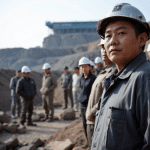
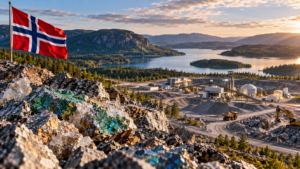
A proposed lithium mine in Covas do Barroso, Portugal, has ignited strong opposition from the local community and environmental activists. The community, known for its strong ties to agriculture and livestock farming, expresses deep concern over the potential impact of the mine on their way of life and the environment. The area, renowned for its agricultural significance, is currently facing the challenge of water resource depletion and potential ecological disruption.

Examining the issue of corruption and its wider implications:
The lithium mining project has also been associated with corruption investigations involving the Portuguese government, shedding light on the green transition’s wider political and ethical challenges. Some individuals assert that a genuine shift towards sustainability should not harm the well-being of nearby communities and natural environments.
- Tesla Stock Surge Drives Demand for Critical EV Minerals
- Mexico Seeks Agreement with Chinese Lithium Firm Over Disputed Mining Concessions
- Cobalt Conflict Intensifies in Indian Ocean Over India and China-Backed Sri Lanka in Mining Rights
- Strengthening UK-Zimbabwe Trade Relations: A Focus on Critical Minerals
A Broad View:
The controversy in Covas do Barroso highlights a crucial issue in the worldwide drive for renewable energy: the environmental impact of lithium extraction, despite its importance in batteries and electric vehicles. These concerns highlight the importance of considering the long-term viability and moral implications of the shift toward sustainability, underscoring the necessity for comprehensive and equitable energy and resource management strategies.
Looking ahead:
As the debate rages on, it becomes evident that finding solutions requires striking a delicate balance between safeguarding the environment and addressing the pressing demand for clean energy.