By Charles Pitts

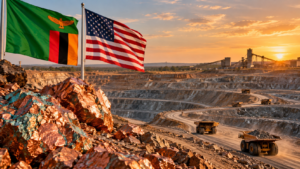
Resolution Copper reached a massive milestone recently. On March 16, 2026, federal officials signed off. The US Forest Service issued a decision. This move finalized the long-awaited land exchange. Rio Tinto and BHP now hold the land. They seek to build a massive mine. This project sits near Superior, Arizona. It targets one of the largest deposits globally. The mine could supply 25% of domestic copper. This supply is vital for energy security.
The joint venture involves two mining giants. Rio Tinto owns 55% of the project. BHP owns the remaining 45% stake. Together, they manage this multi-decade investment. The partners have already spent $1 billion. They plan to spend billions more soon. Total project costs may hit $40 billion. This capital funds deep underground extraction technology. Success depends on navigating complex local challenges.
The 2026 Regulatory Pivot Point
The federal government completed its environmental review. This process took several years to finish. The FAST-41 dashboard now marks it complete. Officials released the final environmental impact statement. This document outlines the project’s future impacts. It also describes necessary mitigation efforts today. The land exchange is now legally recorded. Resolution Copper transferred 5,400 acres to the public. In return, they received 2,400 key acres. This swap allows for deeper site access.
The 2026 decision ends a long pause. In 2021, the USDA withdrew previous approvals. They wanted more consultation with local tribes. Officials spoke with fifteen different tribal nations. These talks focused on water and culture. The Forest Service added new protective measures. These rules aim to protect sacred resources. Despite this, some tribal groups remain opposed. They believe the land exchange is illegal.
More Read


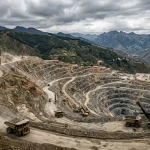
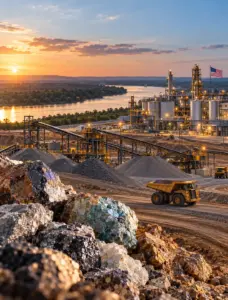
Heavy machinery will play a central role in moving massive amounts of Arizona copper.

Strategic Importance of Arizona Copper
The United States needs more domestic copper. Electric vehicles require massive amounts of metal. Renewable energy grids also need heavy wiring. Experts predict a global copper supercycle soon. Resolution Copper could bridge the supply gap. It might produce 40 billion pounds total. This volume supports a cleaner energy future. Without it, the US relies on imports. Relying on imports creates significant national risks.
The project aligns with the Global Mining Outlook 2026. Decarbonization drives the need for new mines. Resolution Copper offers a stable, long-term source. It provides copper for at least forty years. Some experts believe it lasts much longer. The mine uses advanced block-caving techniques. This method works well for deep deposits. It allows for safe, large-scale mineral extraction.
More Read
Financial Commitments and Enabling Works
The partners recently announced new spending plans. They committed $500 million for two years. This money funds the “enabling works” phase. Workers will perform extensive surface drilling now. They need more data on the resource. Crews are also upgrading existing site infrastructure. This includes roads, power, and water systems. Initial underground development activities are also starting. This phase creates about 100 local jobs.
The project is moving toward a final decision. A feasibility study must happen first, however. Rio Tinto and BHP need more certainty. They must secure several state-level permits next. These permits cover water use and air quality. The companies are also funding tribal programs. They want to support local community growth. This funding helps build trust with neighbors. Still, the path to production is long.

Modern control rooms will oversee the complex operations required for deep-level extraction.
Navigating Tribal and Legal Challenges
Oak Flat remains a major point of conflict. Many Apache people consider this land sacred. They have fought the project in court. The Ninth Circuit Court recently issued a ruling. They denied a request to stop the swap. This allowed the land exchange to proceed. However, the legal battle is not over. The US Supreme Court may hear the case. This creates a shadow of legal uncertainty. Investors watch these court cases very closely.
Social license is a critical project pillar. Resolution Copper must respect cultural heritage sites. The Forest Service added many specific conditions. These rules require monitoring of sacred areas. They also mandate water quality protection measures. The company promises to minimize its footprint. Block-caving occurs deep beneath the surface, however. This leads to potential surface subsidence over time. Managing this risk is a top priority.
The Technical Challenge of Depth
The ore body lies 7,000 feet deep. This depth presents unique engineering hurdles. Temperatures at that level are very high. Miners need massive cooling and ventilation systems. Resolution Copper will use automated drilling rigs. These machines improve safety for the workforce. Automation also increases the mine’s overall efficiency. Technology is the only way to reach it. This project defines modern deep-level mining.

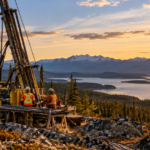
Underground development at Resolution Copper requires specialized equipment and safety measures.
The mine design focuses on sustainability goals. It uses recycled water for many processes. The partners want to reduce carbon emissions. They aim for a net-zero mining operation. This goal appeals to ESG-focused investors today. High standards are necessary for federal support. The project serves as a technical showcase. It proves that deep mining is viable.
Economic Benefits for the Arizona Region
The mine will transform the local economy. It could create 3,700 direct jobs eventually. Indirectly, it supports thousands of other roles. Local businesses in Superior will see growth. Tax revenues will benefit the entire state. Arizona is already a top copper producer. Resolution Copper will solidify this leading position. The state’s mining history is very long. This project represents the next major chapter.
Total economic impact is quite large. Experts estimate it at $61 billion total. This covers the entire life of mine. Education and infrastructure will receive more funding. The project also offers high-paying technical roles. These jobs attract talent to the region. Workers gain skills in advanced mining tech. This creates a more resilient local workforce. Arizona stands to gain for many decades.
Market Snapshot: 2026 Copper Outlook
| Metric | Projection | Impact |
|---|---|---|
| US Copper Demand Met | 25% | High Energy Security |
| Total Ore Resource | 1.7 Billion Tonnes | Multi-Decade Life |
| Production Start | Mid-2030s | Long-term Supply |
| Annual Economic Benefit | $1 Billion | Regional Growth |
| Direct Jobs Created | 1,400+ | Local Employment |
The Road to 2035 Production
Full production is still a decade away. The mid-2030s is the current target date. This timeline reflects the project’s massive scale. Building the infrastructure takes many years. Shaft sinking is a slow, careful process. Processing plants must be built and tested. Every step requires strict regulatory oversight. Investors must remain patient for the payoff. The rewards, however, are potentially massive.
The world is watching this Arizona project. It tests the balance of two needs. One need is for critical mineral supply. The other need is for cultural respect. Resolution Copper sits at this difficult intersection. Its success will influence other major mines. The 2026 milestone is just the beginning. The next decade will define its legacy. For now, the copper bet continues.