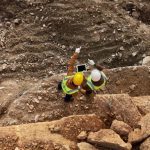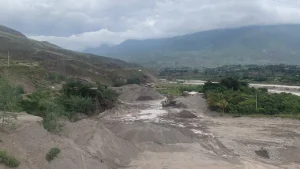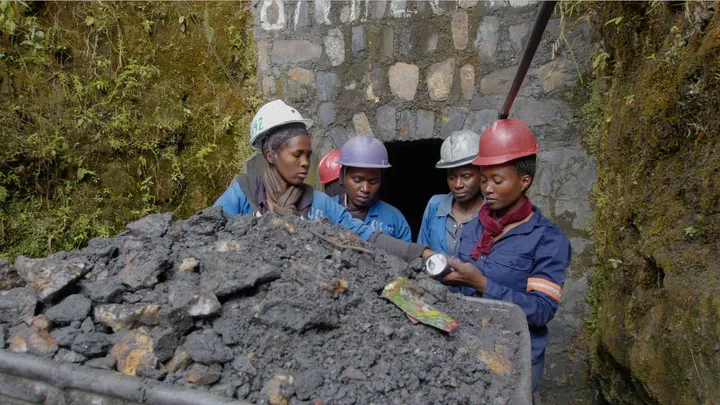
Rwinkwavu is known for its mining activities and hosts valuable minerals such as cassiterite and tungsten. There are several mining-related companies in the area, many of which operate legally. However, there are a large number of illegal miners who always engage in illegal behavior, including robbery.

“It was around 3pm last Thursday. The gang attacked us when we were sorting the minerals and getting ready to call it a day. There were about 10 to 15 armed men carrying traditional tools such as pangas and forks. Hoe,” said miner Steven Bambanze.
The gang demanded that the miners hand over all the minerals they owned. When the miners resisted, violence broke out. “They hit me on the head with a fork and a hoe and broke my arm,” Bambanze said of his experience.
Related News
- Kasomeno-Mwenda Project to Cut Copper and Cobalt Transport Costs by 20%
- Zimbabwe Gold Mine collapse: Govt. Blame unsustainable mining techniques
- DRC Closing In on Peru as World’s No. 2 Copper Producer
- Cobalt Prices Driven by Sentiment: What Is the Actual Demand?
- Mining in Africa: Challenges, Opportunities, and the Cry for a Sustainable Future
The robbers successfully stole 18 kilograms of cassiterite ore from the mine and escaped. The incident is just one example of widespread illegal activity in the area, with criminal gangs often involved in theft.
“We share these products with illegal miners who sneak in at night. I was supposed to deliver 12 tons of cassiterite, but I only got 8 tons. The rest was mined illegally and taken by intruders at night,” said Rusave, who oversees the company said subcontractor Thamali Mukayiririza.
There is suspicion that these illegal miners were involved in the robbery. Bizimana, one of the miners injured in the attack, pointed this out.

“The illegal mining gang is made up of neighbors, friends, and former employees of Wolfram Mining and Processing Corporation. They form a syndicate and work with wealthy individuals who buy the minerals on the black market. They call themselves “Delta Force.”
Bizimana, who is being treated for his injuries, expressed his shock: “I know one of my attackers, he knows me. “I didn’t expect him to be involved in this type of crime. We exposed them and they were arrested and taken to the Lukla transit center, but they were released a few days later. We don’t know why. “
Illegal mining activities have plagued Reuven Kwawu for years. According to statistics from Wolfram Mining Company, a total of 147 illegal mining cases were reported in the seven months from March to October this year. 85 of them were sent to Lukla Transfer Center, 46 have been released, and 16 are still under investigation. These figures do not take into account illegal miners who go unnoticed.
Ongoing illegal mining activities not only disrupt legal mining operations in the area, but also pose a serious threat to the environment, with miners often using dangerous methods, leaving waste in the pits, polluting water sources, and harming the surrounding environment. Aristarque Murara, coordinator of Wolfram Mining and Processing Ltd., stressed the need for tougher penalties for illegal mining activities. Current penalties are simply not enough to deter these individuals from engaging in such illegal conduct.
“Minerals are valuable; black market mineral traders know that the consequences are not enough to stop their illegal activities, so posing as innocent shopkeepers are taking advantage of the situation. In a recent operation, a trader was arrested for possessing 700 kilograms of illegal minerals. Sentenced to two months’ imprisonment.”
Ease of access to the black market in minerals in Rwinkwavu has become a growing problem, fueling illegal mining in the region, thanks to a network of connections with buyers in Kigali and elsewhere. This has a negative impact on the environment and threatens the safety of mining operations, the official said.
In an interview with The New Times, Kayonza District Economic Development Deputy Mayor Hope Munganyika expressed concern over the escalating illegal mining activities in the area. She stressed the need for stricter regulations and enforcement measures to crack down on illegal miners, and was supported by senators who supported the measures. She recommended that reputable mining operators ensure the safety of their mine tunnels is improved.
We urge illegal miners to seek employment with mining companies rather than engage in illegal activities. By working for a reputable mining operator, they can contribute to the local economy and ensure their safety and well-being,” she noted.
“In addition, we encourage mining operators to increase security and employ armed guards. Our Regional Mining Task Force is conducting inspections to disrupt black market dealer networks.”
There are over 2,000 hectares of cassiterite mining in three areas of Kayonza district: Rwinkwavu, Rukara and Mwili. More than 800 workers earn a living by working in these mines.
According to Article 54 of the Unlicensed Mining and Quarrying Work Act, it is a crime to engage in mineral mining, mining, processing, trading or quarrying activities without a license. He or she shall be liable to imprisonment for a term which shall not be less than 2 months and which shall not exceed 6 months and shall be liable to a fine of not less than 10 lakhs to 50 lakhs, or with either of these penalties only.