Reflecting on Current Mining Trends: Navigating the Balance between Challenges and Opportunities

Today’s mining industry stands at a critical juncture, with favorable prospects and obstacles determining its path forward. Technological advancements and increased demand for critical minerals present significant opportunities. However, there are substantial challenges regarding environmental concerns, regulatory pressures, and public perception. In this commentary, we will delve into the strengths and weaknesses of current mining trends and emphasize the significance of projecting a marketable image to consumers and the broader public.

The Positives of Today’s Mining Industry
Technological Innovations:
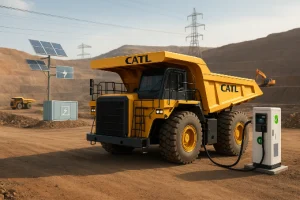
Technology has been rapidly adopted in the mining industry, showing great promise. The industry is transforming significantly as automation, artificial intelligence, and data analytics take center stage. These advancements are boosting efficiency and driving down operational costs. For example, autonomous haul trucks and remote-controlled drilling rigs are increasing, leading to improved safety and productivity in mining operations.
Promoting Sustainability:
There has been an increasing focus on sustainability in the mining sector. Many companies now prioritize renewable energy sources like solar and wind power to minimize their environmental impact. Efforts such as carbon capture and storage (CCS) and utilizing eco-friendly chemicals in mineral processing showcase a strong dedication to protecting the environment. In addition, there is a growing momentum behind adopting circular economy practices, such as recycling and reusing materials.
The Growing Need for Critical Minerals:
The growing need for critical minerals, crucial for renewable energy technologies and electric vehicles, is fueling the expansion of the mining sector. Minerals such as lithium, cobalt, and rare earth elements play a vital role in powering batteries and electronic devices, making the mining industry significantly contribute to the worldwide shift towards clean energy.
Related News
- Political Divide Deepens Over Hawaii’s Deep-Sea Mining Ban
- Great Lakes Iron Ore Shipments Down 5.4% in June 2024, Still Above 5-Year Average
- Deep Sea Mining: Companies Prepare to Capitalize on the Seabed
- 10 Largest Producing Iron Ore Mines in the World
The Issues with Today’s Mining Industry
Considering the environmental impact:
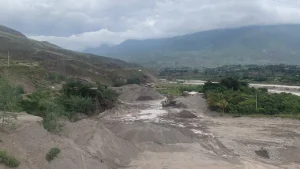
Despite the progress made in sustainability, the mining industry continues to impact the environment significantly. Land degradation, deforestation, and water pollution continue to pose significant challenges. The extraction of minerals frequently results in the devastation of ecosystems and the decline of biodiversity. In addition, the failures of tailings dams, like the tragic incident in Brumadinho, Brazil, serve as a stark reminder of the immense dangers of inadequate environmental management.
Regulatory and social pressures have a significant impact on various aspects of society.
Mining companies are under growing scrutiny from regulators and facing mounting social pressure. Governments worldwide are implementing stricter regulations to promote responsible mining practices as communities and activists continue raising concerns about mining projects’ social and environmental impacts. With the growing importance of social licenses for operating (SLO), companies are finding it necessary to actively involve local communities and stakeholders. This engagement, however, can sometimes result in delays and higher costs.

Perception from the Public:
The mining industry faces challenges in maintaining a positive perception among the public. Public opinion of mining remains negative, largely because of well-known environmental catastrophes and ongoing concerns about transparency and corporate accountability. The perception of this image has a significant impact on both investor confidence and the industry’s capacity to attract talented individuals and garner support from the community.
The Importance of a Marketable Image
The mining industry must prioritize creating a favorable perception among consumers and the general public to overcome these obstacles and take advantage of potential benefits. Here are some important strategies to help you achieve this:
Ensuring transparency and accountability are crucial in any organization or system.
Mining companies must embrace transparency by providing clear environmental, social, and governance (ESG) metrics reports. Publicly sharing their sustainability efforts and progress allows companies to foster trust with stakeholders and showcase their dedication to responsible mining.
Promoting Community Engagement: Promoting the active involvement of local communities and prioritizing their input in decision-making processes is of utmost importance. Companies must prioritize community development projects, ensure fair compensation for land use, and address health and safety concerns. Developing strong connections with communities can bolster the social acceptance of operations and help prevent conflicts.
Inspiring Narratives:
The industry should proactively highlight success stories and innovations. Shining a spotlight on sustainable mining practices, the latest technological advancements and the positive impact on local economies can play a crucial role in reshaping public perception. Working with the media and utilizing social media platforms can help to amplify these positive stories.
Promoting Education and Awareness: Raising awareness among the public about the significance of mining for our modern way of life and the economy can play a crucial role in closing the information divide. Highlighting the importance of mining in supporting the green energy transition and technological advancements can establish the industry as a key catalyst for progress.
Final Thoughts
Today’s mining industry presents a multifaceted terrain of possibilities and obstacles. Despite the potential for growth through technological innovations and increased demand for critical minerals, there are still significant concerns surrounding environmental impact and public perception. Through a commitment to openness, active involvement with communities, highlighting uplifting narratives, and providing informative resources, the mining industry has the potential to cultivate a favorable reputation that resonates with the values of consumers and society at large. Striking a balance between these endeavors is crucial for securing a sustainable and prosperous future for the industry.