Deep-Sea Mining Faces Critical Decisions Amid Regulatory Uncertainty
The International Seabed Authority (ISA), a United Nations-affiliated body responsible for regulating deep-sea mining in international waters, is at a pivotal juncture as it prepares to elect its next leader. This election comes amid intense debate over the future of deep-sea mining, with significant implications for global environmental and economic landscapes.

Mounting Pressures and Delayed Regulations
The ISA recently concluded a two-week meeting in Kingston without reaching a consensus on the regulatory framework for deep-sea mining. The absence of finalized regulations has heightened concerns among environmentalists, scientists, and several member states about the potential for unregulated exploitation of marine ecosystems. The ISA has pushed back the deadline for finalizing its mining code to July 2025, leaving a regulatory vacuum that could lead to premature and potentially harmful mining activities.
Related News
- Canadian Miners Navigate Uncertain Terrain Amid Anti-China M&A Rules
- AME Urges Swift Government Action on Mineral Tenure Act Modernization
- Unstable Ground: How Building on Chilean Sand Dunes Threatens Communities
- Potential Impact of South Africa’s Minerals Export Tax on Mining Sector
- Western Miners Seek Higher Prices to Compete with Chinese Rivals in Critical Metals Market
The Metals Company and the Two-Year Rule
A key player in the deep-sea mining debate is The Metals Company (TMC), a Vancouver-based firm that plans to begin mining the Clarion-Clipperton Zone (CCZ) in 2024. TMC, in partnership with Nauru, invoked the ISA’s “two-year rule” in June 2021, which compels the ISA to permit mining within two years, regardless of whether regulations are in place. This maneuver has intensified calls for a moratorium on deep-sea mining until comprehensive scientific assessments can be conducted.
Environmental Concerns and Calls for Moratorium
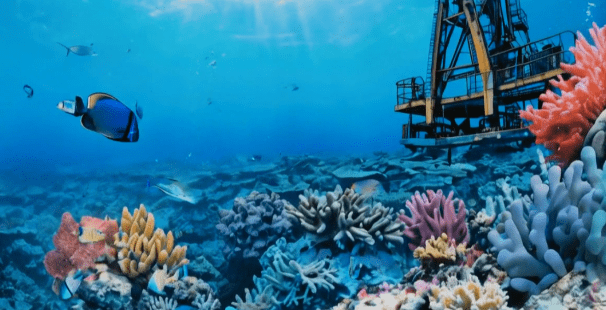
Environmental advocates warn that deep-sea mining poses significant risks to marine biodiversity and ocean health. The deep-sea ecosystems, which are largely unexplored, could suffer irreversible damage from mining activities. The potential impacts include disruptive noise, light pollution, and sediment plumes that could devastate marine life. Over two dozen nations, including France, Germany, and Chile, along with corporations like BMW and Samsung SDI, have called for a ban or moratorium on deep-sea mining until sufficient scientific data is available to ensure environmental protection.
The Upcoming Election and Leadership Challenges
The ISA is set to elect its new leader on August 2, a decision that will shape the future of deep-sea mining regulations. The current Secretary-General, Michael Lodge, is seeking a third term but faces competition from Leticia Carvalho, an oceanographer and former regulator in the oil and gas sector. The new leader will have to navigate the complex landscape of regulatory development, industry pressure, and environmental advocacy.
Global Implications and the Path Forward
The outcome of the ISA’s regulatory efforts and leadership election will have far-reaching consequences. Regulatory clarity is urgently needed to prevent unregulated mining and protect ocean health. The ISA’s decisions will set a precedent for how humanity approaches the extraction of resources from one of the planet’s last frontiers. As the world grapples with the dual challenges of economic development and environmental sustainability, the deep-sea mining debate underscores the need for informed and balanced decision-making.

The ISA’s next steps will be closely watched by stakeholders worldwide, as they could determine the future of deep-sea mining and its impact on both the environment and the global economy.