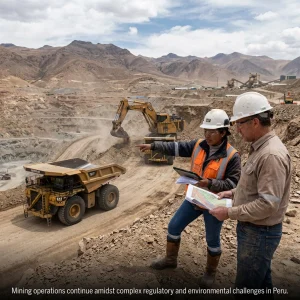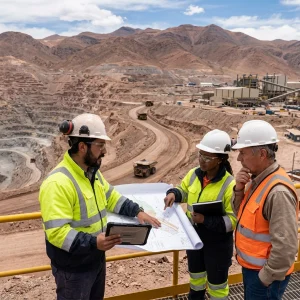

The strike commenced after the union, representing 2,400 workers, rejected BHP’s latest labor contract proposal. This development has intensified tensions in the global copper market, as Escondida is the world’s largest copper mine, accounting for a substantial portion of global copper supply.
Background and Current Situation
The conflict began when BHP’s proposal for a new labor contract was turned down by the union, prompting workers to initiate the strike at 8 a.m. on August 13, 2024. The union’s demands include better wages and a larger share of the mine’s profits, which have been bolstered by recent increases in copper prices. Despite resuming talks with union leaders, BHP has been unable to reach a resolution, with the union rejecting further negotiations as of August 15, 2024.
Escondida Mine Strike’s Impact on Global Copper Market
The strike at Escondida has led to a notable rise in copper prices globally. As the mine is a major supplier of copper, any disruption in its operations can significantly affect supply chains and pricing. The ongoing strike has added pressure to an already volatile market, where copper prices have been buoyed by strong demand and supply chain constraints.
You Might also be Interested In
- BHP’s Escondida Mine Faces Disruption as Workers Demand Better Labor Conditions
- BHP, Miners Reach Tentative New Agreement at Escondida Mine
- Rio Tinto Negotiates Successful Agreement to Prevent Strike at Oyu Tolgoi Copper Mine
Negotiation Efforts and Challenges
BHP has attempted to resume wage talks with the union in hopes of resolving the dispute. However, the union has remained firm in its stance, rejecting the company’s request to pause the strike and return to negotiations. The deadlock highlights the challenges in reaching an agreement that satisfies both the workers’ demands and the company’s operational needs.
More Read

Broader Implications
The protracted strike at Escondida not only affects the local economy but also has broader implications for the global copper market. As copper is a critical component in various industries, including electronics and construction, prolonged disruptions could lead to increased costs for manufacturers and consumers worldwide. The situation underscores the importance of labor relations in maintaining stability in commodity markets.