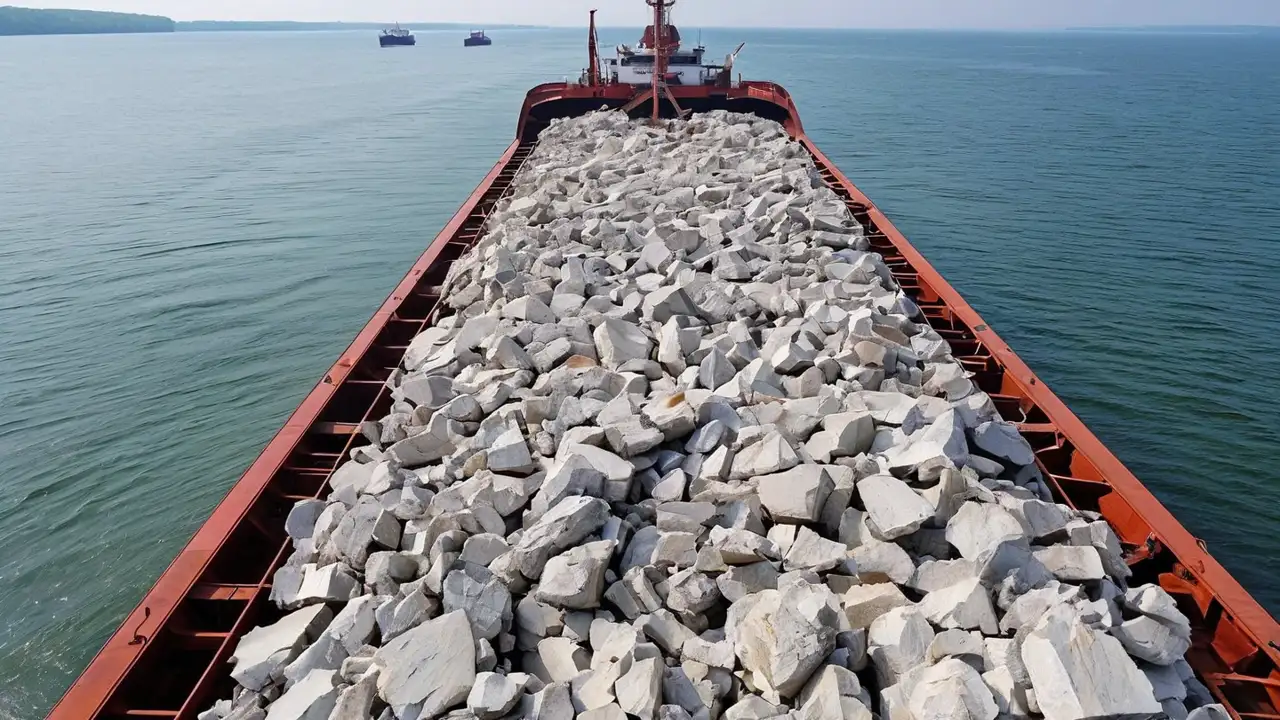

The U.S. Great Lakes limestone trade experienced a significant downturn in July, with shipments totaling 3.6 million tons, marking a 14.3 percent decrease compared to the same period last year. This figure also fell short of the five-year average for July by 9.3 percent, indicating a challenging month for the industry.
U.S. quarries contributed 2.9 million tons to the total shipments, representing a 14 percent decline compared to 2023. Canadian quarries also saw a substantial drop, with shipments decreasing by 15.5 percent to 651,155 tons.
Despite the July slump, the year-to-date limestone trade on the Great Lakes remains slightly positive, standing at 13.3 million tons, which is a 2.7 percent increase over last year. U.S. quarries in Michigan and Ohio have shipped 10.7 million tons so far this year, up 3.8 percent from 2023. However, Canadian quarries have shipped 2.6 million tons year-to-date, a slight decrease of 1.8 percent compared to the previous year.
You might be Interested In
- Great Lakes Iron Ore Shipments Down 5.4% in June 2024, Still Above 5-Year Average
- House Approves Funds for Great Lakes Icebreaker, Championing Winter Commerce
- Great Lakes Iron Ore Trade Sees Significant Increase in March 2024
- Great Lakes Winter Shipping Delays Continuing
The data, reflecting trends from 2019 to 2024, shows fluctuations in the limestone trade across both U.S. and Canadian ports. While U.S. ports like Calcite, Cedarville, Drummond Island, Marblehead, Port Inland, and Presque Isle have generally seen robust activity, the recent declines underscore the industry’s susceptibility to varying economic and operational factors. Canadian ports, including Bruce Mines, Manitoulin Island, Port Colborne, and Smelter Bay, have similarly faced challenges in maintaining shipment volumes.
More Read

As the industry moves into the latter half of the year, stakeholders will be closely monitoring these trends to gauge the long-term impact on the Great Lakes limestone trade.