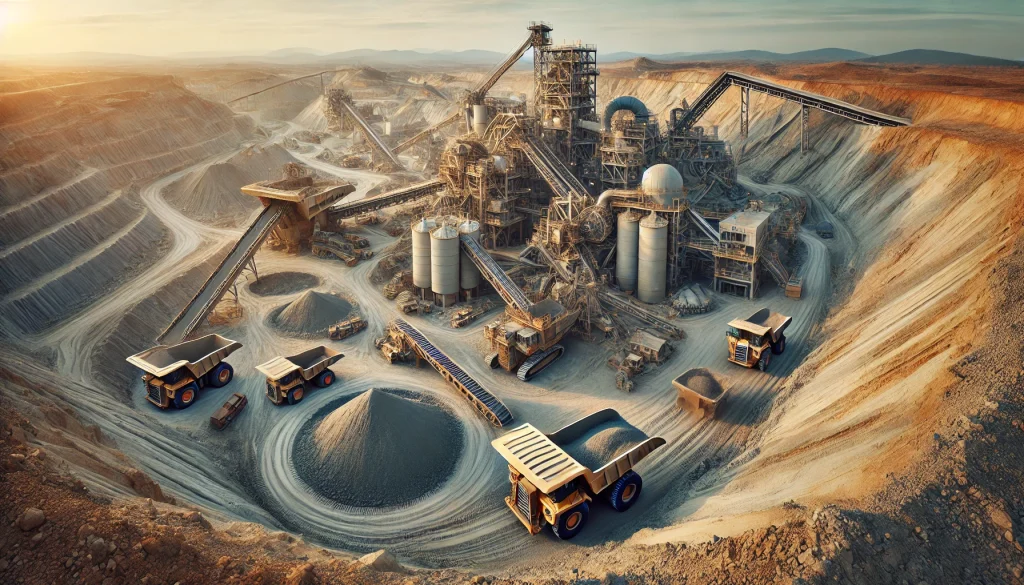
Barite mining, also known as tiff mining, is fundamental to powering the global oil and gas industry, thanks to barite’s unique properties. Barite, or “tiff,” is a mineral primarily composed of barium sulfate (BaSO₄) and is highly valued for its high density, chemical stability, and cost-effectiveness. These qualities make it an essential component in drilling operations, where it serves as a weighting agent in drilling fluids. Beyond oil and gas, barite is also critical to industries such as pharmaceuticals, plastics, rubber, and radiation shielding.

Why Barite (Tiff) is Indispensable in Oil and Gas Drilling
The dense structure of barite makes it an effective counterbalance for controlling well pressure during drilling operations. When added to drilling fluids, or “mud,” barite helps prevent dangerous blowouts by generating sufficient hydrostatic pressure to counteract underground forces, ensuring a safe environment for oil and gas extraction. Due to its heavy but inert nature, barite remains the preferred choice in drilling operations and is considered a critical mineral, especially in the United States, where it supports essential energy production technologies. However, despite its importance, the U.S. relies heavily on imports, mainly from China, India, and Morocco.
Beyond oil and gas, barite is used in various industrial applications. Its opacity to X-rays makes it useful as a contrast agent in diagnostic medical imaging, and its density and inertness make it an effective filler in paints, plastics, and rubber products. Barite’s versatility means it supports multiple sectors across the economy.
Related news
- Uganda Calls On Global Miners to Invest in Critical Minerals
- China’s Lithium Battery Sector Shifts Focus to Energy Storage Systems
- WA Lithium Producers Brace for Tough Times Amid Price Pressure
- Rio Tinto’s Strategic Acquisition of Arcadium Lithium: Strengthening Global Foothold in the EV Supply Chain
Barite Mining: A Multi-Step Process
Extracting barite from the earth involves a systematic process influenced by the geology, location, and depth of each deposit. The barite mining process encompasses several stages, from exploration to processing and packaging. Below is an overview of each step.
1. Exploration and Assessment
Mining begins with geological surveys to identify viable barite deposits. Geologists assess rock formations and conduct tests to confirm mineral quality and presence. Core samples help determine barite concentration, deposit depth, and impurities that may affect extraction. These assessments are crucial, as barite deposits vary widely, impacting the economic feasibility of mining each location.
2. Site Preparation
Once a viable deposit is identified, the mining company clears vegetation, builds access roads, and establishes infrastructure. Preparing a mining site requires planning to ensure safe access for equipment and personnel. In some cases, initial processing facilities are set up, depending on the mine’s location relative to existing infrastructure.

3. Extraction: Open-Pit vs. Underground Mining
There are two primary methods for barite extraction: open-pit mining and underground mining, chosen based on the deposit’s depth and size and the local geology.
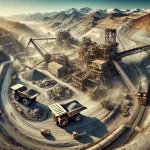
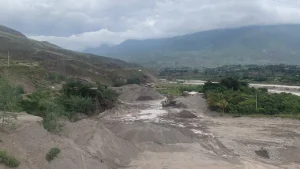
- Open-Pit Mining: For shallow deposits, open-pit mining is often preferred. Heavy machinery, such as bulldozers and excavators, removes the overburden (topsoil, rock, and vegetation), exposing the barite ore, which is then transported to a processing facility. This method is cost-effective for accessible deposits and widely used in regions where barite lies close to the surface.
- Underground Mining: For deeper deposits, underground mining is necessary. Miners construct access tunnels and shafts and employ methods like room-and-pillar or longwall mining to carefully extract barite while maintaining supporting structures to prevent cave-ins. Though more complex and costly, underground mining is essential for deep barite deposits.
4. Crushing and Grinding
Once extracted, the barite ore undergoes size reduction to prepare it for final use. First, the ore is crushed in jaw or impact crushers, breaking large pieces into smaller fragments. The crushed barite is then ground into fine particles using mills. Achieving the right particle size is crucial, particularly for drilling applications, where specific textures and consistencies are required.
5. Beneficiation and Purification
The beneficiation process removes impurities from the barite ore, as various applications require different purity levels. Techniques such as gravity separation, magnetic separation, and flotation enhance product quality by separating denser barite from less dense materials. Purified barite must meet stringent specifications, particularly in the oil and gas sector, where impurities can affect drilling safety and performance.
6. Drying and Packaging
Following beneficiation, the barite is dried to remove residual moisture, then packaged according to client specifications. Drilling-grade barite must adhere to specific standards set by the American Petroleum Institute (API) concerning density and particle size. Packaging options include bulk containers, bags, or custom orders, depending on the application. At this stage, barite is ready for shipment to oil and gas fields, medical facilities, or manufacturing plants.
Barite Production and Global Supply
Globally, barite production is concentrated in China, India, Morocco, and the United States, with China leading due to large reserves and lower mining costs. In the U.S., Nevada produces most of the barite, with smaller contributions from states like Georgia, Tennessee, and Missouri. Despite barite’s importance to the U.S. energy sector, domestic production satisfies only a fraction of annual demand, leading to a significant reliance on imports, especially from China.
Barite’s Uses Beyond Oil and Gas
Although the oil and gas sector consumes most of the world’s barite, this mineral has applications beyond drilling. In the medical field, barite’s high density makes it ideal for radiation shielding and diagnostic imaging. Barium sulfate, derived from barite, is used as a contrast agent in X-ray procedures, highlighting internal organs due to its opacity to radiation.
In manufacturing, barite’s density and whiteness make it a popular filler in paints, rubber, and plastics, enhancing durability and brightness. Barite is also used in brake pads and clutch pads due to its frictional properties. These applications underscore barite’s versatility, extending its relevance across industries.
Alternatives and Environmental Impact
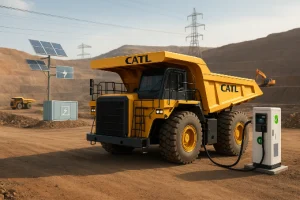
Substitutes like celestite and synthetic hematite exist, but barite’s unique density and non-toxicity make it the preferred choice for drilling. However, barite mining raises environmental concerns. Companies must follow strict regulations on water usage, waste management, and land reclamation to reduce ecological impact. Advances in technology, such as more efficient water recycling and energy use, are helping to address these challenges.
The Future of Tiff in Industry
Barite, or tiff, is a critical mineral with broad industrial applications, making it indispensable in the foreseeable future. Its central role in oil and gas drilling supports its position in the global energy economy, while its additional applications continue to expand across sectors. With ongoing technological progress and environmental efforts, tiff mining is expected to evolve to meet both industry demand and regulatory standards.
In summary, barite’s unique properties have solidified its role as a vital mineral in energy production and diverse applications, supporting modern industries on a global scale.