ABUJA — Nigeria’s federal government is stepping up its crackdown on illegal mining operations in Zamfara State after a fresh outbreak of lead poisoning in the Bugundu Local Government Area rekindled fears over unchecked environmental degradation and regulatory lapses.

The suspension of all mining activities in the state remains firmly in place, according to a public statement by Dr. Dele Alake, Minister of Solid Minerals Development. Alake’s tone was unequivocal: illegal miners must vacate the area, and operations will not resume until a new set of standard operating procedures (SOPs) are finalized and enforced.
“This ban was put in place to prevent the very crisis we are now witnessing,” Alake said. “It is not just about minerals; it is about lives, about communities on the brink due to greed and negligence.”
Related News
- China U.S. Trade War Intensifies as Trump Tariffs 2025 Escalate, Fueling Global Recession Risk
- Petra Diamonds Delays Cullinan Mine Sales Amid U.S. Tariff Uncertainty
- Trump Tariffs 2025 Ignite U.S. Recession Risk as Markets Recoil
- AI in Mining: How Advanced Technology is Reshaping the Future of the Industry
Legacy of Negligence
The federal government first halted mining activities in Zamfara six years ago in a bid to address escalating insecurity and environmental harm, particularly from informal artisanal mining. Yet, enforcement has been patchy at best. The recent lead poisoning incident, which has claimed multiple lives and left dozens ill, has exposed the ongoing failures of local authorities to enforce federal directives.
In a blistering critique, Alake pointed fingers at traditional rulers and local institutions that he said have failed to act as responsible custodians. “These are state-funded actors,” he noted through his media aide Segun Tomori. “When they abdicate their duty, the consequences are dire — as we now see.”
He added that federal mandates are not optional, especially when public health is at stake.

A Coordinated Response — At Last
To its credit, the Zamfara State Government responded swiftly, deploying emergency health workers and clean-up crews to affected communities. Alake praised the local response but underscored the necessity of a long-term federal-state partnership. “Quick fixes are no substitute for systemic reform,” he said.
The Ministry of Solid Minerals Development is currently drafting new SOPs intended to tighten oversight and raise accountability. Among the measures under consideration are:

- Comprehensive assessments of current license holders
- Strict vetting procedures for new mining applications
- Mandatory community development agreements
- Environmental remediation mandates
- Deployment of satellite surveillance to track illegal activities
The new regulatory framework is expected to provide clarity for investors while eliminating loopholes that have allowed unlicensed operators to flourish.
Economic Stakes, Human Costs
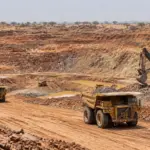
Zamfara, with its gold, lithium, and copper reserves, holds significant promise for a government keen to diversify revenue away from oil. But this potential is undermined by unregulated extraction that not only deprives the treasury of earnings but also fuels insecurity and pollutes rural communities.
The environmental toll has been especially severe. The lead poisoning outbreak is not an isolated incident; similar events in the past have affected hundreds, including children, in mining villages. A 2010 incident in Bagega — also in Zamfara — was one of the worst recorded globally, according to Médecins Sans Frontières.
“The sector is too important to be run like a black market,” Alake said. “We must end this era of anarchy.”
The Path Forward
To rebuild trust and attract responsible investors, the federal government is also eyeing a national data-sharing initiative that will integrate geological surveys, licensing information, and compliance records across states. The hope is that transparency — aided by technology — will become a deterrent in itself.
But experts warn that without local buy-in, even the best-laid plans may falter. “You can digitize oversight, but you still need people on the ground who believe in the rules,” said an Abuja-based policy analyst who advises mining-sector stakeholders.
Alake appears to recognize this. His rhetoric has shifted from punitive to participatory — a signal, perhaps, that the federal government is looking beyond a crackdown toward a wholesale reset.
“We’re not just closing illegal mines,” he said. “We’re opening the door to a future where the sector is safe, transparent, and beneficial to all Nigerians.”ABUJA — Nigeria’s federal government is stepping up its crackdown on illegal mining operations in Zamfara State after a fresh outbreak of lead poisoning in the Bugundu Local Government Area rekindled fears over unchecked environmental degradation and regulatory lapses.
The suspension of all mining activities in the state remains firmly in place, according to a public statement by Dr. Dele Alake, Minister of Solid Minerals Development. Alake’s tone was unequivocal: illegal miners must vacate the area, and operations will not resume until a new set of standard operating procedures (SOPs) are finalized and enforced.
“This ban was put in place to prevent the very crisis we are now witnessing,” Alake said. “It is not just about minerals; it is about lives, about communities on the brink due to greed and negligence.”