Key Takeaways
- Glencore warns cobalt output may remain unsold into 2025 due to DRC’s extended export ban.
- The Glencore cobalt export ban is tied to government indecision over a proposed quota system.
- Stockpiles are rising as Glencore continues producing, with 2025 output forecast at 45,000 tons.
- The company has declared force majeure on some deliveries, signaling severe disruption.
- Buyers are diversifying away from DRC cobalt, citing long-term supply chain risk.
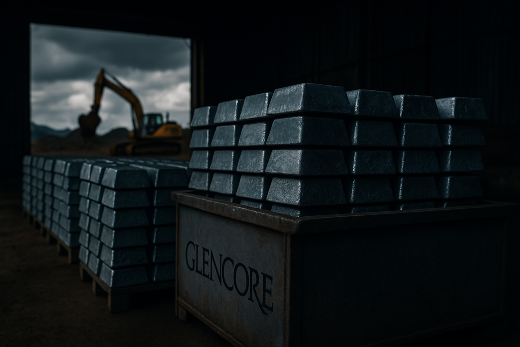

Glencore has warned that a substantial portion of its cobalt output could remain unsold by the end of 2025, as the Democratic Republic of Congo (DRC) continues its export suspension. The Glencore cobalt export ban impact stems from the DRC’s decision to halt outbound shipments in February, a move extended by three months in June, with no clear plan for resuming exports.
“Even if we sell no cobalt from DRC this year, it’s not material to our bottom line,” Glencore executives said. “But if volumes move, that’s upside.”
The miner’s warning comes as cobalt prices recover slightly from a nine-year low, driven more by restricted supply than renewed demand. The DRC, the world’s top cobalt producer, has withheld exports in a bid to reduce oversupply—but it has not introduced the promised export quota framework.
Congo’s Policy Paralysis Deepens Glencore Cobalt Export Ban
The Glencore cobalt export ban highlights how opaque governance in resource-rich nations can ripple through global supply chains. With more than 70% of the world’s cobalt mined in Congo, the ban has disrupted contracts, prompted force majeure declarations, and forced Glencore to stockpile thousands of tons of cobalt in-country.
“You can’t plan shipments, let alone cash flows, when the gate is closed indefinitely,” said Anne Fadiman of BMO Capital Markets.
No details have been shared on which producers will receive export quotas, or when shipments might resume. This regulatory vacuum has made long-term planning nearly impossible for mining companies operating in Congo.
Stockpiles Mount as Production Outpaces Export Capacity
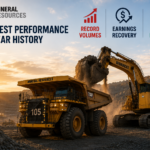
In the first half of 2025, Glencore produced 18,900 metric tons of cobalt—a 19% year-on-year increase. Its full-year forecast of 38,200 tons, with a 2025 outlook of up to 45,000 tons, suggests significant overhang if the Glencore cobalt export ban persists. Most of that output remains stranded in the DRC.

Despite the disruption, Glencore emphasized that cobalt remains a relatively small contributor to overall earnings. But analysts warn that extended stockpiling could tie up working capital and strain logistics.
“Eventually, warehouses fill, capital is tied up, and supply chains get rerouted,” said Hugo Brennan at Verisk Maplecroft.
Force Majeure and Market Anxiety
Glencore has already declared force majeure on some cobalt deliveries this year, an admission of how unworkable the situation has become. Even limited shipments allowed under special permits have done little to restore market confidence.
The Glencore cobalt export ban has also unsettled contract negotiations. Buyers are demanding risk premiums or pivoting to suppliers in Indonesia and Zambia. Battery manufacturers, already nervous about sourcing volatility, are diversifying their cobalt procurement strategies.
Export Ban Pushes Buyers to Reassess Supply Chains
Beyond Glencore, the export freeze has exposed broader structural fragility in the cobalt market. Artisanal and junior miners in the DRC have been disproportionately affected, lacking the capital to endure a prolonged halt. Meanwhile, NGOs are raising alarms over transparency and governance.
“This has become a geopolitical supply-chain issue,” said Natasha Bailey of Resource Matters. “And it’s one that’s testing market assumptions about sourcing critical minerals from politically volatile regions.”
Long-Term Risk Escalates as Ban Drags On
While Glencore can weather short-term cobalt immobility, prolonged unsold output into 2025 could force strategic recalibrations: production slowdowns, discounting, or delayed investment. The company has so far downplayed the financial impact, but market dynamics are shifting.
“Glencore can hold stock, but what if demand doesn’t recover fast enough to absorb it next year?” Fadiman asked.
The Glencore cobalt export ban has inadvertently created a high-stakes waiting game: either the DRC government implements a quota system that unlocks stockpiles—or the cobalt logjam worsens.