A Nuclear Comeback—and a Uranium Reckoning
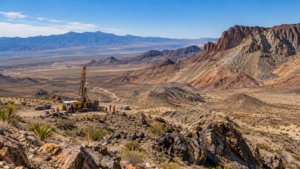
The United States is once again turning toward nuclear energy as a central pillar of its clean-energy strategy. Yet one reality stands in the way: the nation’s nuclear ambitions depend on uranium mining USA, an industry that nearly disappeared after decades of decline. According to the U.S. Energy Information Administration (EIA), America produced less than 80,000 pounds of uranium concentrate (U₃O₈) in 2023—while its reactors consumed roughly 43 million pounds. Nearly half still comes from Russia and its allies.

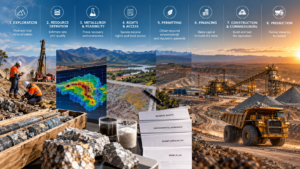
As Washington pushes to decarbonize and secure supply chains, it must rebuild the entire uranium-to-reactor process: mining, milling, conversion, enrichment, and fuel fabrication. But the central question lingers—can uranium mining USA be revived responsibly, without repeating the environmental and social disasters of the past?
The Supply Chain Problem: From Rock to Reactor
Most conversations about America’s nuclear future focus on advanced reactor technologies, but the bottleneck lies much earlier in the chain. The U.S. has only one operational uranium conversion facility—ConverDyn in Illinois, which only recently resumed operations after years of dormancy. Enrichment capacity remains largely dependent on Urenco’s New Mexico plant, which is European-owned.
The Breakthrough Institute estimates that over 90% of U.S. nuclear fuel services rely on foreign conversion and enrichment—vulnerabilities that mirror the nation’s dependence on Chinese critical minerals. For the uranium mining USA sector, this presents both a risk and an opportunity: a chance to rebuild domestic strength, or a trap of half-measures that fail to deliver true energy independence.
A Tainted Legacy Beneath the Soil
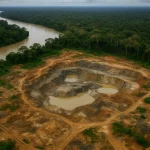
The first uranium boom—from the 1940s through the Cold War—left behind a poisoned landscape. Uranium mining USA during that era, particularly in the Navajo Nation, Utah, and the Colorado Plateau, operated with minimal safety or environmental oversight. Thousands of miners, many Indigenous, were exposed to radiation without protection.
More Read

The infamous Church Rock spill in 1979 released 90 million gallons of radioactive waste into the Puerco River, contaminating Navajo lands. Today, over 4,000 abandoned mine sites remain unremediated. Federal cleanup costs are projected to exceed $4 billion, according to the EPA and Department of Energy.

This historical trauma continues to shape public resistance. “The ghosts of the old mines are still with us,” says an environmental health researcher from the University of New Mexico. “Every new uranium proposal must answer for that legacy.”
Mining 2.0: Safer, Cleaner—but Still Contentious
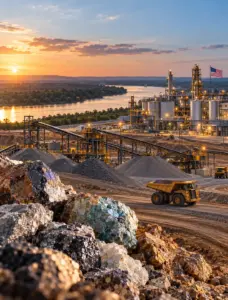
Modern uranium production in the U.S. now largely relies on in-situ recovery (ISR), which uses underground leaching to dissolve uranium rather than digging massive open pits. Proponents claim ISR reduces surface disturbance, but it introduces new concerns about groundwater contamination.
More Read

The Nuclear Regulatory Commission (NRC) notes that ISR projects in Wyoming and Texas require continuous water-quality monitoring and post-closure restoration. Companies such as Energy Fuels, Ur-Energy, and Encore Energy argue that uranium mining USA can now be conducted with far greater environmental responsibility than in the past—but skepticism persists.
Indigenous Voices Demand Accountability
The conversation around uranium mining USA cannot ignore Indigenous rights. On Navajo lands alone, over 500 abandoned uranium mines still await full cleanup. Tribal leaders have repeatedly opposed new mining ventures until past contamination is remediated and health monitoring systems are improved.
Under the principle of Free, Prior and Informed Consent (FPIC), communities have the right to approve or reject projects that affect their lands and health. If this principle is ignored, any supposed uranium renaissance risks losing its social license to operate—jeopardizing billions in investment and public trust.
The Economics of Rebuilding a Domestic Chain
The U.S. government is trying to re-anchor the uranium industry through the Department of Energy’s HALEU Availability Program, which dedicates $700 million to build the fuel supply for next-generation reactors. However, uranium prices—now hovering near $90 per pound—test investor confidence.
Analysts from Sprott Asset Management estimate that uranium mining USA operations need sustained prices above $70/lb to be profitable. Even then, Kazakhstan’s Kazatomprom and Canada’s Cameco maintain lower production costs and global dominance. For America to compete, federal incentives may need to mirror those that revived domestic semiconductor manufacturing.
Skillings Analysis
- The full chain matters. Restarting mines without parallel investment in enrichment and fuel fabrication risks creating stranded assets.
- Trust is capital. Any credible uranium mining USA revival must prioritize Indigenous consultation, transparency, and financial guarantees for cleanup.
- Regulation needs teeth. Agencies like the NRC and EPA must enforce unified oversight across ISR, milling, and decommissioning stages to avoid legacy liabilities.
Looking Ahead: Building a Truly Clean Nuclear Future
If the U.S. can align its climate goals with responsible extraction, uranium mining USA could help secure a cleaner, more independent energy future. But shortcuts—ignoring groundwater risks, overlooking tribal consent, or underfunding remediation—would undo decades of progress.
The U.S. stands at a crossroads. Its nuclear promise depends not just on advanced reactors, but on how it handles the rocks beneath its own soil. Whether this new uranium chapter becomes a story of redemption or repetition depends on one thing: learning from the past before digging into the future.