Look, the iron ore market just got a facelift, and if you’re still pricing your mental models on how things worked in 2024, you’re already behind. The first few months of 2026 have delivered something we don’t see often in bulk commodities, a genuine, structural shakeup in how the world’s most traded seaborne ore gets prPilbara iron oreiced. And yeah, it’s a big deal.

Rio Tinto and Fortescue have shifted their pricing benchmarks for China contracts. Fastmarkets rolled out a shiny new 61% Fe index. And the whole thing? It’s basically the market admitting what everybody’s known for years: the old system wasn’t cutting it anymore.
The Old Playbook Is Out
For the better part of the last decade, iron ore pricing orbited around a relatively simple idea: the 62% Fe benchmark reigned supreme. Platts, SGX derivatives, the works. It was the North Star for contract negotiations, and most major miners used it as gospel.
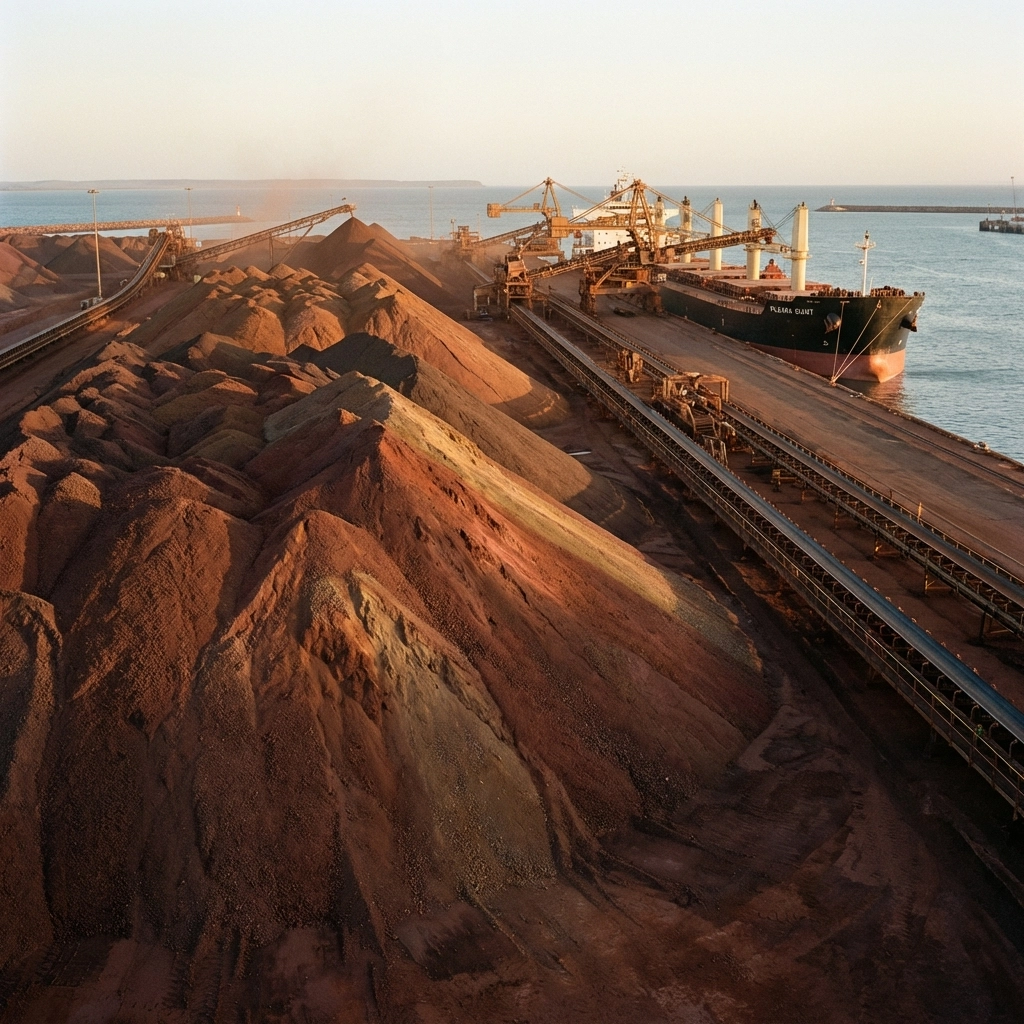
But here’s the thing: the market has quietly moved on. The ore coming out of Western Australia isn’t what it used to be. Grades have been slipping. Fortescue’s flagship products have always sat a bit lower on the iron content scale, but even Rio Tinto’s Pilbara blends have seen creeping quality changes. When your supply doesn’t match the benchmark you’re pricing against, you’ve got a problem.
Enter 2026. The majors finally said “enough” and started aligning their China-facing contracts with indices that actually reflect what they’re shipping. That means a pivot toward the new Fastmarkets 61% Fe index, which launched in January and February this year. It’s designed to capture the mid-grade segment: the ore that’s actually flooding into Chinese ports.
More Read


Why Fastmarkets Built a New Index
Fastmarkets didn’t just wake up one morning and decide to make waves. This new 61% Fe benchmark was born out of necessity. The iron ore hitting the market these days is increasingly varied: Brazilian cargoes with silica levels up to 15%, Indian material with alumina pushing 7%. These specs command discounts against the traditional 62% benchmark, but until now, there wasn’t a clean way to price them.
The new index fills that gap. It’s a reflection of where the tonnage actually sits, not some idealized high-grade product that represents a shrinking slice of global supply.
More Read

And there’s another factor lurking in the background: Simandou. Guinea’s mega-project, backed heavily by Chinese investment, is set to bring massive volumes of high-grade 65% Fe ore online. That’s going to widen the spread between premium and mid-grade material even further. The market needed a pricing structure that could handle this bifurcation: high-grade on one end, the increasingly prevalent mid-grades on the other.
Rio and Fortescue Make Their Moves
Let’s talk about the actual pivot. Rio Tinto: long the standard-bearer for Pilbara iron ore: has adjusted its benchmark references for Chinese steel mill contracts. Fortescue, whose products have always sat in the 57-59% Fe range, followed suit. Both moves acknowledge the same reality: China’s mills are buying what’s available and affordable, not chasing premium specs they can’t economically justify.
This isn’t just about semantics. When you switch your pricing reference, you’re reshaping the entire commercial relationship. Steel mills in Hebei and Jiangsu have been pushing for this for years. They want pricing that reflects the ore they’re actually using in their blast furnaces, not some aspirational benchmark that makes every cargo look like it’s trading at a discount.
For Rio Tinto, this is a subtle but significant admission that Australian ore quality has drifted. The Pilbara mines are mature. The easy, high-grade stuff got dug out years ago. What’s left is perfectly usable: but it’s not the same product that built those benchmark contracts in the first place.

China’s Market Power Hits Different Now
None of this happens in a vacuum. China imported a record 1.26 billion tons of iron ore in 2025. Even with the property sector in the doldrums and infrastructure spending soft, Chinese mills remain the gravitational center of global iron ore demand. And when you’re the biggest buyer by a country mile, you get to influence how the game is played.
Chinese mills and traders have been vocal about wanting pricing structures that favor their purchasing patterns. The 61% Fe index gives them that. It also gives them leverage: when your benchmark is set on the product you’re actually buying, you’re not paying premiums for specs you don’t need.
There’s a power shift embedded in all of this. For years, the big Australian and Brazilian miners set the terms. They produced, they shipped, and the market priced off their flagship products. Now? The demand side has more say. China’s influence extends beyond just volume: it’s shaping the infrastructure of price discovery itself.
What This Means for Everyone Else
If you’re a mid-tier producer or a smaller player trying to move iron ore into Asia, pay attention. The benchmark you price against matters more than ever. Aligning with the wrong index can cost you millions over the course of a year.
Here’s the landscape as it stands:
High-grade suppliers (think Vale’s premium Carajás blends or future Simandou output) will likely continue referencing 65% Fe indices. They’re selling a differentiated product and can command premiums for it.
Mid-grade producers (most of the Pilbara, a good chunk of Brazilian output, Indian material) are increasingly tied to the 61% Fe benchmark. This is where the volume lives.
Lower-grade and high-contaminant ores will trade at discounts to the 61% index, with specific adjustments for silica, alumina, and other penalty elements.
The days of a one-size-fits-all benchmark are over. The market has fragmented, and pricing mechanisms are finally catching up.

Ore Quality Isn’t Coming Back
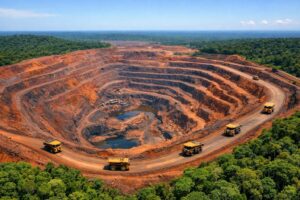
Let’s be blunt about something: the declining iron content in Australian ore isn’t a temporary blip. These are mature mining districts. The high-grade deposits have been exploited for decades. What remains is lower grade, and the economics don’t support leaving it in the ground.
Rio Tinto and BHP have both invested heavily in blending infrastructure to maintain consistency, but there’s only so much you can do. The ore is what it is. And the market has to price it accordingly.
This is why the benchmark shift matters beyond just commercial contracts. It’s an acknowledgment that the global iron ore supply base has structurally changed. The 62% Fe index was designed for a different era: one where Australian majors routinely shipped material at or above that threshold. That era is fading.
Looking Ahead
The 2026 pricing makeover isn’t the end of the story. Simandou’s ramp-up over the next few years will inject serious volumes of high-grade ore into a market that’s increasingly dominated by mid-grade material. That’s going to create pricing dislocations and probably spawn even more index products.
Meanwhile, Chinese demand remains the wild card. If the property sector stabilizes or infrastructure stimulus kicks in, you’ll see tighter markets and narrower grade differentials. If weakness persists, the discount for lower-quality ore could widen further.
For mining professionals watching this space, the takeaway is pretty simple: know your product, know your benchmark, and understand where you sit in this new pricing hierarchy. The rules have changed. Make sure you’re playing the right game.
For more on shifting dynamics in global commodities, check out our coverage on global coal demand and how macro trends are reshaping extraction economics across the board.