By Salini Krishnan

Mining Finance Trends: Strategic mineral shifts and the 2026 outlook
The global mining landscape in early 2026 is being reshaped by a fundamental shift in how projects are de-risked and how supply chains are secured. As traditional debt markets remain sensitive to geopolitical volatility, alternative financing: led by silver streaming and strategic M&A: has become the cornerstone of new development. This first installment of our Wednesday Strategic Mineral Series analyzes five pivotal developments across the silver, tungsten, gold, and rare earth sectors that define the current market trajectory.
1. Silver-Stream Finance: The LunR and Lundin Gold Case Study
The complexity of modern mining finance is perhaps best illustrated by the evolving relationship between Lumina Gold (LunR) and Lundin Gold regarding the Fruta del Norte operation in Ecuador. While gold remains the primary driver, the monetization of silver by-products via streaming deals has emerged as a high-leverage tool for capital management.
In the 2026 environment, streaming is no longer just an alternative for junior miners; it is a strategic maneuver used by mid-tiers and majors to optimize balance sheets. The Lundin-managed Fruta del Norte has consistently proven that high-grade underground operations can support long-term streaming obligations without compromising primary gold margins. For investors, these “silver-stream” deals provide a unique hedge against inflation while allowing mining companies to pull forward capital for expansion without the dilution associated with equity raises.
The trend echoes larger shifts in the sector, such as those analyzed in The Silver Streaming Scramble: Who’s Next After BHP and Wheaton, where the race for high-purity byproduct credits is intensifying. As silver’s role in the green energy transition: specifically in photovoltaic cells: solidifies, these streaming contracts are being repriced to reflect long-term industrial demand rather than just precious metal sentiment.
More Read
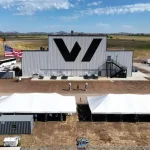


2. Tungsten Supply Chains: Almonty Industries and the Sangdong Mine
While copper and lithium dominate the headlines, tungsten has quietly become one of the most strategically significant minerals of 2026. With China historically controlling over 80% of global tungsten supply, the resurgence of the Sangdong Mine in South Korea, spearheaded by Almonty Industries, represents a major pivot in Western supply chain security.
Tungsten’s high melting point and extreme hardness make it indispensable for defense, aerospace, and industrial machining. The Sangdong Mine is positioned to become one of the largest tungsten producers outside of China. This project is not merely a commercial venture but a geopolitical safeguard. The project’s development has been supported by significant off-take agreements and financing structures that prioritize “friendly-shoring.”
More Read
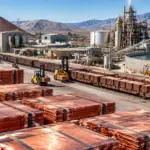
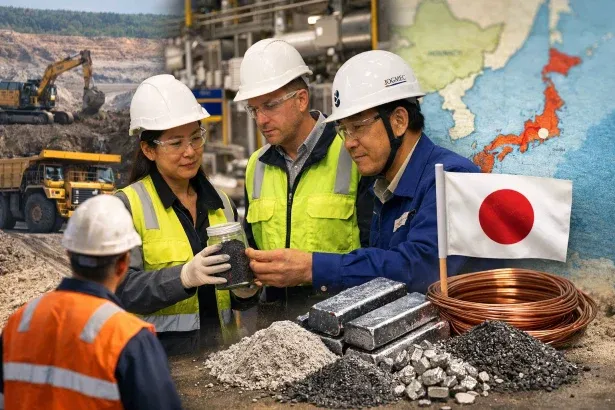
The resurgence of South Korean mining interests reflects a broader Asian strategic mineral trend, where domestic production and secure partnerships are being leveraged to reduce reliance on single-source markets. This aligns with the wider regional interest in securing critical materials, a theme explored in our recent report on Japan’s strategic mineral supply chains.
3. The Ontario M&A Wave: Wesdome and Angus Gold Consolidation
In the gold sector, the theme for 2026 is regional consolidation. Nowhere is this more evident than in Ontario’s Mishibishu Lake belt. The strategic maneuvers between Wesdome Gold Mines and Angus Gold highlight a drive for operational synergy. Wesdome, with its established Eagle River mine complex, is the natural consolidator in a region where Angus Gold has identified significant satellite potential.
The logic behind this “belt-scale” consolidation is twofold:
- Infrastructure Efficiency: By consolidating assets, companies can utilize central processing facilities, reducing the CAPEX required for new discoveries.
- Resource Longevity: Bringing Angus Gold’s projects under the Wesdome umbrella ensures a “hub-and-spoke” model that can sustain production levels as older pits reach maturity.
This consolidation trend is a direct response to the rising costs of labor and energy. In Ontario, where the skilled workforce is highly competitive, pooling resources is often the only way to maintain competitive all-in sustaining costs (AISC).
4. Nevada Gold Hubs: The Strategic Value of the Arthur Project
Nevada continues to be the premier jurisdiction for gold investment, but the focus has shifted toward specific districts like Beatty. AngloGold Ashanti’s Arthur project is a primary example of how major producers are doubling down on “low-risk” jurisdictions with proven geological pedigrees.
The Arthur project, situated within the Expanded Silicon Project area, is part of a larger push by AngloGold Ashanti to establish a new production center in the United States. The strategic value here lies in the scale; the Beatty district is shaping up to be a multi-million-ounce hub that could rival some of the larger Carlin-trend operations in the long term.
For investors, the Beatty district’s development represents a shift back to domestic security. As geopolitical tensions complicate overseas operations, Nevada’s transparent regulatory environment and established infrastructure provide a “safe harbor” for capital. This trend is further supported by Central Bank gold reserves reaching record highs in Q1 2026, which has provided the price floor necessary for majors to commit to multi-billion-dollar CAPEX cycles in the U.S.

5. Rare Earths and Niobium: Brazil’s Emergence with St George Mining
Brazil is rapidly emerging as a heavyweight in the strategic minerals space, specifically regarding niobium and Total Rare Earth Oxides (TREO). St George Mining’s Araxá project is at the forefront of this movement. Located in the world-class Araxá district: already known as the world’s leading niobium source: the project is uncovering significant rare earth potential that could challenge the traditional dominance of the Australian and Chinese sectors.
Niobium is a critical alloying element that reduces the weight of steel while increasing strength, making it vital for the automotive and aerospace industries. When coupled with TREO, Brazil’s mineral profile becomes essential for the high-tech and green-energy sectors.
The emergence of Brazil as a strategic TREO producer provides a necessary alternative to the supply chain bottlenecks seen in 2025. Projects like Araxá are benefiting from Brazil’s established mining law and professional workforce, positioning the country as a primary beneficiary of the global “de-risking” strategy. This diversification of supply is critical, as discussed in our analysis of the Per Geijer rare earth transition.

Market Snapshot: Strategic Mineral Performance (April 2026)
The following data reflects the market sentiment and pricing trends for the minerals discussed in this series as of the first week of April 2026.
| Commodity | Price (USD) | 30-Day Change | Primary Market Driver |
|---|---|---|---|
| Gold | $2,485/oz | +2.4% | Central Bank accumulation |
| Silver | $31.50/oz | +4.1% | Solar/Industrial demand |
| Tungsten (APT) | $360/mtu | +5.8% | Supply security / Defense |
| Niobium (FeNb) | $48,500/t | +1.2% | High-strength steel demand |
| TREO | $85.00/kg | +3.5% | Magnetic materials shortage |
Looking Ahead: Part 2 of the Strategic Mineral Series
Next Wednesday, we will dive deeper into the logistical challenges of deep-sea mining and the impact of the latest Metso Outotec flotation technologies on ultra-fine particle recovery. As the mining industry continues to grapple with lower ore grades, the intersection of finance and technology will become the deciding factor for project viability.
Stay tuned for our upcoming “2026 Lithium Power Map,” where we will map out the global refining hubs that are currently under construction to meet the 2027-2030 demand surge.