2026 Lithium Power Map : Early Access Open ($59) | Get the latest sector data and secure your copy here: https://skillings.short.gy/LithiumPreSale


The global mining finance landscape witnessed a historic milestone in early 2026 as BHP and Wheaton Precious Metals WPM finalized a $4.3 billion silver streaming agreement. This transaction represents the largest upfront payment in the history of the precious metals streaming sector, signaling a profound shift in how Tier-1 miners manage “non-core” byproduct streams to optimize balance sheets.
The deal centers on the Antamina mine in Peru, one of the world’s largest copper-zinc operations. Under the terms of the agreement, Wheaton Precious Metals has secured a 33.75% share of the payable silver produced from BHP’s ownership stake in the asset. For BHP, the move provides immediate liquidity to fund massive growth projects in copper and potash, while for Wheaton, it consolidates its position as the world’s dominant silver streaming entity.
As market participants evaluate the long-term implications of this $4.3 billion benchmark, the focus remains on the structural shift in capital allocation within the “Big Four” diversified miners and the increasing reliance on specialized financiers to de-risk massive capital expenditures.
More Read

The Transaction Architecture: Structure and Tiers
The Antamina agreement is defined by a multi-tiered delivery structure designed to balance immediate cash flow for BHP with long-term upside for Wheaton. The $4.3 billion upfront cash payment entitles Wheaton to 33.75% of the payable silver from BHP’s 33.75% interest in Antamina until a cumulative total of 100 million ounces has been delivered.

Once the 100-million-ounce threshold is reached, the stream will “step down” to 22.5% of the payable silver for the remaining life of the mine. This structure allows BHP to retain a larger portion of the silver production in the later decades of the mine’s life, while giving Wheaton a front-loaded return on its massive capital outlay. In addition to the upfront payment, Wheaton will pay BHP a production price equal to 20% of the spot price of silver for each ounce delivered.
Based on current production rates, BHP’s portion of Antamina yields approximately 5.4 million ounces of silver annually. Initially, Wheaton is expected to receive roughly 1.8 million ounces per year from this specific stream. When combined with Wheaton’s existing stream from Glencore’s stake in Antamina, the company now controls a 67.5% attributable share of the mine’s total silver output.
More Read
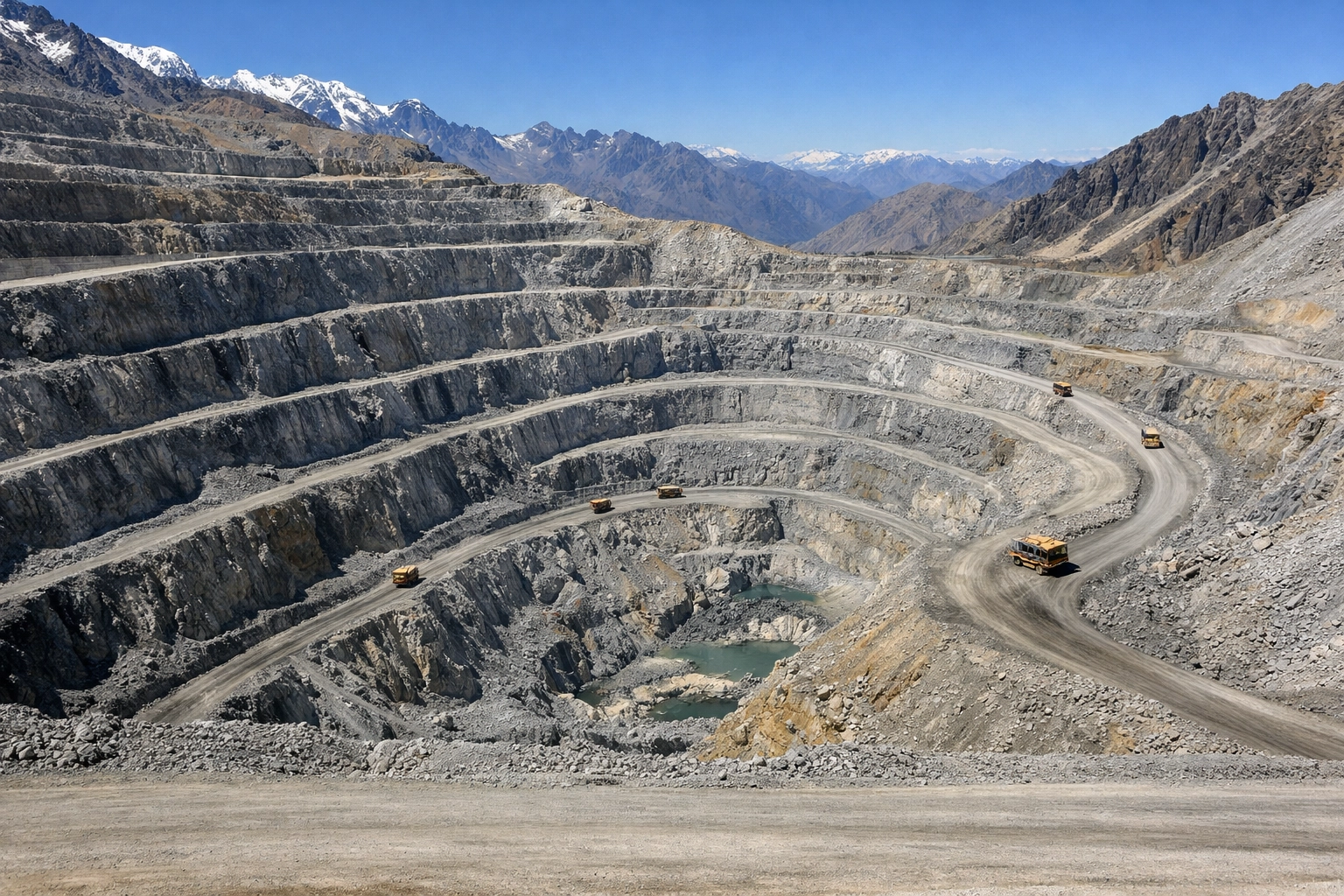
Visual: A detailed technical infographic showing the flow of silver ore from extraction to the streaming delivery point, highlighting the 33.75% split and the 100M oz threshold. No humans present.
Strategic Implications for BHP: Capital Optimization
For BHP, the decision to monetize its silver byproduct is a calculated move toward what the company calls “asset-level capital optimization.” By divesting the silver stream, BHP is effectively exiting a non-core commodity without diluting its exposure to the primary metals that define Antamina’s value: copper and zinc.
The $4.3 billion infusion comes at a critical time as the company accelerates its transition toward “future-facing” commodities. This capital is earmarked for the expansion of its copper portfolio and the continued development of the Jansen potash project in Canada. By using a streaming agreement rather than traditional debt, BHP improves its net debt position while maintaining full operational control of the Antamina site.
This strategy mirrors broader trends in the industry where major producers are seeking to unlock value from byproducts to fund the energy transition. This trend was further highlighted in recent reports regarding Barrick’s strategic reset and its return to Tier-One M&A, where capital discipline and asset-level financing have become paramount.
Wheaton Precious Metals: Doubling Down on Tier-1 Assets
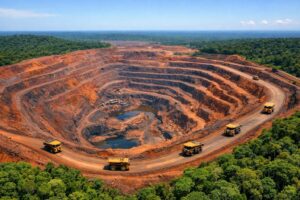
From Wheaton’s perspective, the Antamina deal is a cornerstone acquisition that solidifies its 2030 production targets. The company has been aggressive in its pursuit of long-life, low-cost assets, and Antamina fits the profile perfectly. Located in the Ancash Department of Peru, Antamina is a massive skarn deposit with a mine life extending well into the 2030s and significant exploration potential.
By doubling its silver output from this single asset, Wheaton reduces its counterparty risk by dealing with a top-tier operator like BHP. The stream is expected to add approximately 70,000 gold equivalent ounces GEOs to Wheaton’s annual portfolio. This keeps the company on track to reach its ambitious long-term target of 1.2 million GEOs by 2030.
However, the sheer size of the deal has introduced new financial complexities. Wheaton utilized a $1.5 billion term loan and drew heavily from its revolving credit facility to fund the transaction. Pro forma net debt is expected to sit at approximately $2.4 billion following the close. Despite this leverage, management has expressed confidence, citing projections that the company’s total portfolio will generate over $10 billion in operating cash flow through 2028.
Table: Key Terms of the BHP-Wheaton Antamina Stream
| Financial Component | Detail |
|---|---|
| Upfront Cash Payment | US$4.3 Billion |
| Initial Stream Percentage | 33.75% of BHP’s payable silver |
| Step-down Threshold | 100 Million Ounces |
| Post-Threshold Percentage | 22.5% of BHP’s payable silver |
| Ongoing Production Payment | 20% of the spot silver price per ounce |
| Asset Location | Peru Antamina Mine |
| Commencement Date | Second Quarter of 2026 |
Operational Environment and Regional Risks
While the financial metrics are compelling, the Antamina stream is not without risks. Peru remains a complex jurisdiction for mining, characterized by periodic social unrest and shifting regulatory frameworks. Although Antamina has a long history of successfully navigating these challenges, any significant operational disruption would directly impact Wheaton’s delivery schedule.
Furthermore, the deal’s timing: commencing in Q2 2026: places it in a period of heightened market volatility. The broader mining sector is currently grappling with various pressures, from the BC regulatory shocks impacting indigenous rights law to fluctuating commodity prices.
Silver itself remains a dual-purpose metal, driven both by industrial demand in the solar and electronics sectors and by its role as a monetary hedge. While the uranium price forecast for 2026 suggests a bull case for energy-related metals, silver’s trajectory is more closely tied to global industrial health. Wheaton’s 20% spot price payment provides a buffer against rising costs, but the company remains highly leveraged to the price of silver.

The efficiency of modern mineral processing plants, like those at Antamina, is critical for maintaining the high recovery rates required for profitable silver streaming.
The 2026 Market Context: The $4.3B Benchmark
The scale of this deal serves as a “benchmark” for the industry, proving that the streaming model is no longer just for junior miners or mid-tier producers. It has matured into a mainstream tool for the world’s largest resource companies.
In an era where M&A activity is surging, the Antamina stream provides a template for how companies can generate liquidity without issuing equity or taking on traditional high-interest debt. By the end of 2026, analysts expect to see similar “byproduct monetization” deals from other diversified majors looking to streamline their portfolios.
As the Antamina stream begins its first deliveries in the coming months, the industry will be watching closely. If Wheaton can successfully manage its increased debt load while BHP effectively deploys the $4.3 billion into its growth pipeline, this deal will likely be viewed as a turning point in the evolution of mining finance.