By Charles Pitts

As we move into the second half of 2026, the global mining sector faces a paradoxical cost environment. While headline inflation has moderated in many developed economies, the mining industry’s All-In Sustaining Costs (AISC) have undergone a structural “reset higher.” Driven by a combination of persistent energy volatility and a localized crisis in reagent availability: most notably sulphuric acid: operators are finding that the cost of staying in business is significantly higher than pre-2020 levels.
However, the 2026 outlook is not uniform across commodities. Gold producers are currently enjoying record margins as gold prices outpace a cooling AISC curve, while copper producers are grappling with a rising cost floor necessitated by lower ore grades and higher stripping ratios. In this environment, the strategic pivot toward mine electrification is no longer just an ESG commitment; it has become the primary hedge against fuel-driven margin erosion.
The Gold Divergence: Record Margins Amid Cooling Costs
For gold miners, 2026 is shaping up to be a year of historic profitability. According to recent data from S&P Global Market Intelligence, the global average gold AISC is projected to decline by approximately 5% this year. This decline, coupled with a forecasted 24% surge in gold prices, is pushing average unit margins toward the US$2,800/oz mark.
Several factors contribute to this downward trend in gold AISCs:
More Read
- Asset High-Grading: Many major producers have completed the divestment of high-cost, marginal operations, focusing capital on Tier-1 assets with better grade continuity.
- By-Product Credits: Strong prices for silver and copper have provided significant credits for polymetallic gold operations, effectively lowering the net cost of gold production.
- Digitalization: The integration of AI-driven mine management systems has optimized throughput and reduced waste. For instance, projects like Sitka Gold’s Blackjack zone demonstrate how deep continuity can improve long-term mine planning and cost predictability.
Despite these gains, the “floor” for gold AISC remains structurally higher than the historical US$900–$1,000/oz range, now settling closer to US$1,250/oz for the most efficient producers.


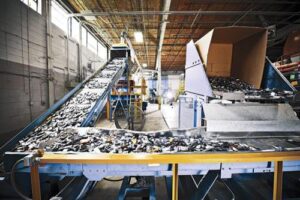
Processing efficiency remains a key driver in maintaining gold margins in 2026.
Copper’s Structural Floor and the Sulphuric Acid Crisis
The story for copper is more complex. While copper prices remain robust: forecasted to stay above US$12,100/t through 2026: the AISC for the red metal is trending upward. S&P Global highlights a “structural reset” in copper costs driven by declining ore grades and the increasing depth of mines.
More Read

A critical, and often overlooked, driver of copper AISC in 2026 is the inflation of sulphuric acid prices. Sulphuric acid is essential for solvent extraction and electrowinning (SX-EW) processes used to treat oxide ores.
- Supply Tightness: Environmental regulations on smelter emissions in key regions have curtailed traditional acid production as a by-product.
- Logistical Bottlenecks: Increased demand from the phosphate fertilizer industry has competed for limited acid supplies, leading to localized price spikes in mining hubs like Chile and the DRC.
- Cost Impact: For operations reliant on leaching, sulphuric acid can now account for up to 15-20% of total cash costs, up from mid-single digits five years ago.
Conversely, integrated smelter-mine complexes are benefiting from this crisis. By capturing and selling sulphuric acid as a by-product, these operations are generating significant revenue credits that offset their mining and processing costs. This disparity is creating a widening gap between the AISC profiles of integrated giants and junior leach operators.

Sulphuric acid management has become a primary operational focus for copper leach producers.
Electrification: The Ultimate Energy Hedge
The most significant trend in 2026 AISC management is the aggressive shift toward mine electrification. With diesel prices remaining volatile due to geopolitical tensions and refining capacity constraints, the business case for Battery Electric Vehicles (BEVs) and trolley-assist systems has moved from “experimental” to “essential.”
Benefits of Mine Electrification in 2026:
- Reduced Energy Volatility: By shifting from diesel to grid-scale or on-site renewable power, miners can lock in long-term energy contracts, providing predictable Opex for 10–15 years.
- Lower Maintenance Costs: Electric motors have fewer moving parts than internal combustion engines, leading to a 25-30% reduction in mechanical maintenance costs over the equipment’s lifecycle.
- Ventilation Savings: In underground operations, the absence of diesel particulate matter significantly reduces the energy required for ventilation: often the largest power draw in deep-level mining.
Electrification is also a dual-sided benefit for copper. While it lowers operating costs at the mine site, the global push for electrification is the primary driver of copper demand, accounting for 50% of the incremental demand growth seen this decade. This demand supports the high prices that keep 99% of global copper production profitable despite rising AISCs.

On-site renewable microgrids are decoupling mine operations from diesel price fluctuations.
Margin Protection Strategies for a Late-Cycle Environment
As we navigate the late stages of the current commodity cycle, mining executives are focusing on three core strategies to protect margins against inflation:
- Digital Twins and Real-Time Optimization: By creating digital replicas of the entire value chain, operators can identify bottlenecks and optimize reagent and energy use in real-time. This is particularly effective in managing the “acid inflation” mentioned earlier.
- Strategic Procurement and Hedging: Beyond traditional fuel hedging, miners are entering into long-term off-take agreements for key consumables like explosives and grinding media to avoid spot market volatility.
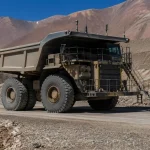
- Autonomous Fleets: The transition to autonomous haul trucks is no longer just about safety; it is about consistency. Autonomous systems operate with a level of precision that reduces fuel consumption and tire wear by 10-15% compared to human-operated fleets.
2026 Market Snapshot: Costs vs. Prices
| Commodity | Avg. AISC 2026 (Est.) | Avg. Price 2026 (Forecast) | Margin Trend |
|---|---|---|---|
| Gold | US$1,280/oz | US$3,150/oz | Strong Expansion |
| Copper | US$2.72/lb | US$5.50/lb | Stable / Healthy |
| Nickel | US$14,500/t | US$21,000/t | Moderate Pressure |
| Iron Ore | US$72/t | US$115/t | Compression Risks |
Data compiled from Skillings Mining Intelligence and S&P Global 2026 Outlook.
Looking Ahead: The 2027 Outlook
While 2026 has been a year of managing “the new normal” in costs, the groundwork being laid today: through electrification and digitalization: will define the cost leaders of 2027 and beyond. The ability to decouple production from fossil fuel volatility is the single greatest competitive advantage in the modern mining landscape.
For investors, the focus should remain on those companies with high-quality assets and a clear path to full electrification. These are the operators that will maintain their margins even if the current price super-cycle eventually cools.