By Charles Pitts

NEW YORK : Sinda Metals, a primary silver producer with core operations in Mexico, has formally filed with the U.S. Securities and Exchange Commission (SEC) to list its common shares on the New York Stock Exchange (NYSE). The company intends to trade under the ticker symbol “SIND,” marking a strategic shift to capture broader institutional interest as the global silver market enters a period of structural deficit driven by the energy transition.
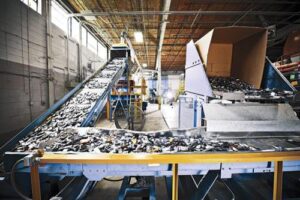
The filing comes at a critical juncture for the precious metals sector. While silver prices have experienced significant volatility over the first half of 2026, industrial consumption: particularly in the solar photovoltaic and electric vehicle (EV) sectors: continues to hit record highs. For Sinda Metals, the move from regional exchanges to the NYSE is designed to improve liquidity and provide the capital necessary to accelerate expansion at its flagship Real de la Sierra project.
Capitalizing on the “Green Metal” Narrative
Sinda’s decision to list in New York reflects a growing trend among mining operators to reposition silver as a critical industrial metal rather than a purely speculative asset. According to the SEC filing, the proceeds from the offering will be used to fund a Phase II expansion of the company’s processing facilities and to finalize a definitive feasibility study (DFS) for its deep-level vein extensions.
“The listing on the NYSE is a milestone that aligns our capital structure with our operational scale,” the company stated in its preliminary prospectus. “As the world accelerates its shift toward renewable energy and electrification, the demand for high-purity silver concentrates is projected to outpace current primary mine supply.”
More Read
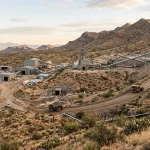
The Real de la Sierra project, located in the silver-rich state of Zacatecas, Mexico, currently produces approximately 6.5 million ounces of silver equivalent annually. With the proposed expansion, Sinda aims to increase that output to 10 million ounces by late 2027.


Industrial Demand: The 2026 Catalyst
The backdrop for Sinda’s listing is an industrial landscape that is increasingly “silver-hungry.” Silver is the most conductive metal on earth, making it indispensable for high-efficiency solar panels and the complex circuitry of modern EVs.
More Read
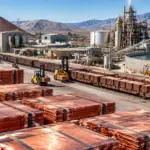
In 2026, the silver market is grappling with a projected supply gap of nearly 200 million ounces. Much of this is attributed to the massive rollout of N-type solar cells, which require significantly more silver per watt than older technologies. Despite efforts toward “thrifting”: the process of reducing the amount of silver used in manufacturing: the sheer volume of solar installations has kept demand levels elevated.
For investors identifying mining stocks to watch in 2026, the ability of a producer to deliver primary silver (rather than silver as a byproduct of gold or lead mining) is becoming a key differentiator. Sinda Metals reports that 82% of its revenue is derived directly from silver, providing high “torque” to the metal’s price movements.

Silver Price Prediction 2026: Drivers and Risks
The price of silver remains the most significant variable for Sinda’s valuation. Analysts have provided a wide range of scenarios for the year, reflecting the tension between industrial fundamentals and macroeconomic headwinds.
Current silver price predictions for 2026 suggest a base case average of $55 to $85 per ounce. However, more aggressive “bull case” scenarios from major financial institutions like Citigroup and Goldman Sachs have floated targets exceeding $100, citing acute physical tightness in the London and Shanghai markets.
| Scenario | Price Target (Avg. 2026) | Primary Driver |
|---|---|---|
| Bear Case | $35 – $45 / oz | Global recession; significant solar thrifting. |
| Base Case | $55 – $85 / oz | Sustained industrial demand; moderate Fed easing. |
| Bull Case | $100+ / oz | Severe structural deficit; geopolitical supply shocks. |
The “bear case” remains a concern for operators. High prices could trigger a faster-than-expected pivot toward silver-free alternatives in the electronics sector, such as copper-plated cells or cadmium telluride thin-film technology.
Operational Logistics and Infrastructure
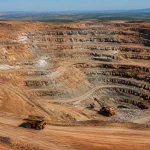
To meet the rigorous standards of an NYSE-listed company, Sinda Metals has invested heavily in operational transparency and technology. At its Mexico site, the company has deployed autonomous haulage systems to manage the logistical complexity of its open-pit operations.

Beyond the open pit, Sinda is also developing a high-grade underground component. The transition to a “hybrid” mine model: combining bulk open-pit tonnage with high-grade underground veins: is intended to lower the company’s all-in sustaining costs (AISC) to below $12 per ounce.
In its filing, Sinda highlighted the use of advanced jumbo drills and remote monitoring to enhance safety and efficiency in its underground tunnels. This technological integration is a focal point for institutional investors who are increasingly prioritizing operational reliability alongside resource grade.

Market Position and Competitive Landscape
As Sinda Metals enters the public markets in New York, it will face stiff competition from established silver titans such as Pan American Silver (PAAS) and First Majestic Silver (AG). However, Sinda’s pure-play silver focus and relatively young asset base may offer a distinct value proposition.
Many legacy producers are currently facing rising costs due to maturing mines and declining grades. Sinda’s Real de la Sierra project is still in its early years of production, with a projected mine life of 18 years based on current proven and probable reserves.
“The entry of Sinda Metals into the NYSE provides a fresh vehicle for silver exposure,” said one New York-based analyst. “In a year where ‘critical minerals’ is the buzzword on Wall Street, a primary silver producer with a clear path to 10 million ounces is going to attract a lot of eyes.”

Key Risks for 2026
Despite the optimistic filing, Sinda Metals faces several hurdles common to the mining industry in Mexico. These include:
- Regulatory Volatility: Changes in Mexican mining laws regarding water usage and open-pit permitting remain a significant risk factor for expansion projects.
- Cost Inflation: While silver prices are higher, the cost of labor, electricity, and reagents has also surged, potentially squeezing margins if the silver price stagnates.
- Jurisdictional Security: Ensuring the safety of logistics and personnel in remote regions of Zacatecas continues to require substantial security expenditures.
Final Outlook
The Sinda Metals listing is more than just a corporate expansion; it is a barometer for the broader silver mining sector’s health in 2026. If the offering is well-received, it could signal a new wave of capital inflow for primary silver projects that have long been overshadowed by gold and base metals.
For decision-makers and investors, the “SIND” ticker will be one of the most important mining stocks to watch 2026. With industrial demand showing no signs of cooling and the silver market’s structural deficit widening, Sinda Metals is positioning itself to be at the center of the next great commodity cycle.
Market Snapshot: Global Silver Balances (Proj. 2026)
| Metric | Amount (Moz) | Year-over-Year Change |
|---|---|---|
| Total Mine Production | 845 | +1.5% |
| Industrial Demand | 685 | +8.2% |
| Investment Demand | 240 | -3.1% |
| Recycling | 190 | +2.0% |
| Market Deficit | (190) | +12.5% |
Data Source: Skillings Market Intelligence and Silver Institute 2026 Projections.