By Charles Pitts

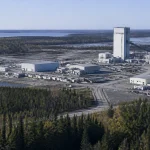
The resurgence of the Kipushi Mine in the Democratic Republic of Congo (DRC) marks one of the most significant brownfield restarts in the global base metals sector. After decades of care and maintenance, the joint venture between Ivanhoe Mines (68%) and the state-owned Gécamines (32%) is rapidly advancing toward full-scale operational maturity. Since producing its first concentrate on June 14, 2024, the project has maintained a steady ramp-up, positioning itself to become a top-tier global zinc producer by the end of 2026.
As of mid-2026, the project is entering a critical phase of infrastructure completion. The primary focus for the current fiscal year is the finalization of the second Tailings Storage Facility (TSF), a massive engineering undertaking designed to meet the highest international safety standards. With construction now exceeding 90% completion, the project is on track to receive its first tailings deposition in October 2026. This milestone is essential for sustaining the mine’s expanded throughput capacity and ensuring long-term environmental compliance in the African Copperbelt.
Operational Scale and 2026 Milestones
The operational narrative of Kipushi in 2026 is defined by the transition from initial production to optimized, steady-state throughput. Following the successful commissioning of the 800,000-tonne-per-annum (tpa) concentrator in 2024, a strategic debottlenecking program was launched to increase throughput by 20%, bringing total capacity to approximately 960,000 tpa.
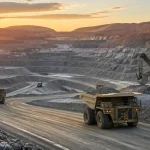
The project’s ability to meet its 2026 production guidance of 240,000 to 290,000 tonnes of contained zinc in concentrate hinges on the seamless integration of new infrastructure. The mining of the ultra-high-grade “Big Zinc” zone remains the operational core, where zinc grades often exceed 35%, well above the global industry average.
More Read



The completion of the second TSF is not merely a logistical necessity but a commitment to the Global Industry Standard on Tailings Management (GISTM). This facility is fully lined with high-density polyethylene (HDPE), a critical measure for groundwater protection in the region. For professionals tracking mine waste management, Kipushi represents a modern blueprint for how legacy mining sites can be re-engineered for the 21st century.
Project Economics: High Grade, High Returns
The financial profile of the Kipushi Project remains one of the most robust in the mining industry. Based on the optimized development plan, the project boasts an after-tax Net Present Value (NPV) of $941 million at an 8% discount rate. The Internal Rate of Return (IRR) is equally impressive at 40.9%, reflecting the low capital intensity of the project relative to the massive high-grade mineral endowment.
More Read

These figures are driven by the exceptional geology of the deposit. Recent monthly performance data from early 2026 has shown zinc recoveries as high as 93%, with feed grades frequently surpassing the 36% mark. For investors and analysts, the primary value driver is the “Big Zinc” zone, which allows for extremely competitive C1 cash costs, typically sitting in the lower quartile of the global cost curve.
| Key Metric | Value |
|---|---|
| Ownership | Ivanhoe (68%), Gécamines (32%) |
| After-Tax NPV (8%) | $941 Million |
| After-Tax IRR | 40.9% |
| 2026 Zinc Guidance | 240,000 – 290,000 tonnes |
| Current TSF Progress | >90% Complete |
| First Tailings Target | October 2026 |
The Polymetallic Opportunity: Zinc, Copper, and Germanium
While zinc is the primary driver of current revenue, Kipushi is a complex polymetallic deposit with significant upside in copper, silver, and germanium. The 2018 mineral resource estimate identified significant copper resources grading nearly 0.80%, alongside silver and germanium values that are becoming increasingly relevant in the context of the global energy transition.
Germanium, in particular, has emerged as a strategic mineral. With China implementing export restrictions on the metal: critical for semiconductors and fiber optics: the DRC’s potential to become a non-Chinese source of germanium is a significant geopolitical lever. Ivanhoe Mines has indicated that it is exploring the recovery of these by-products, which would further enhance the project’s economic resilience and strategic value to global supply chains.

The underground operations utilize modern mechanized methods, including long-hole stoping with paste backfill. This approach ensures maximum ore recovery while minimizing the surface footprint: a key priority for mining by regions where environmental regulations are tightening.
Energy Resilience and ESG Strategy
Operating in the DRC requires a robust strategy for energy security. To mitigate the risks associated with the national power grid, Ivanhoe has initiated a 10-megawatt (MW) solar power project, combined with up to 200 megawatt-hours (MWh) of battery energy storage. This facility, expected to be fully operational by 2027, will provide essential baseload power and reduce the mine’s reliance on carbon-intensive diesel backup generators.
This initiative is part of a broader ESG (Environmental, Social, and Governance) framework that includes comprehensive community engagement programs. The town of Kipushi, which grew around the mine over the last century, is directly impacted by the project’s success. The joint venture has invested heavily in local health clinics, water purification projects, and educational infrastructure, ensuring that the “social license to operate” is as strong as the technical foundation.

Key Risks and 2026 Outlook
Despite the strong progress, several risks remain central to the Kipushi narrative. The logistical challenges of transporting concentrate from the DRC to international markets are well-documented. While the Lobito Atlantic Railway Corridor offers a promising long-term solution, the project currently relies on road transport through the border crossings at Kasumbalesa, which can be prone to delays.
Furthermore, the volatility of zinc prices on the London Metal Exchange (LME) continues to influence the project’s near-term cash flow. While the $941 million NPV is based on conservative price assumptions, a prolonged downturn in global industrial demand could pressure margins during the final stages of the ramp-up.
However, the 2026 outlook for Kipushi remains decidedly bullish. With the second TSF nearing completion and the concentrator operating at nameplate capacity, the project is well-positioned to capitalize on any tightening in the global zinc market. As the first tailings are deposited in the new facility this October, Kipushi will have cleared one of its final major infrastructure hurdles, cementing its status as a cornerstone asset in the Ivanhoe Mines portfolio.
Featured Lead: M&A and Strategic Updates
The advancement of Kipushi toward full-scale operations is a clear signal of the DRC’s growing importance in the critical minerals landscape. Investors and operators should watch for potential news regarding by-product recovery circuits and further logistical partnerships as the mine enters its next phase of growth.
About the Author:
Penny Langford is a lead analyst for Skillings Mining Intelligence, specializing in base metal markets and regional mining policy across sub-Saharan Africa.