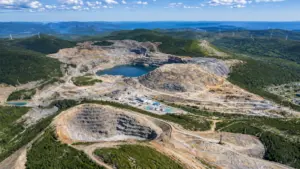
The global energy transition hinges on a critical metal: copper. Essential for everything from wind turbines to electric vehicles, copper demand is set to triple by 2040 as nations ramp up their clean energy initiatives. However, the current copper production process—dominated by energy-intensive smelting—leaves behind a trail of pollution, toxic waste, and environmental damage. Now, a new wave of technology startups is promising to rewrite the rules of clean copper extraction and revolutionize copper refining technologies.

The Challenges of Traditional Copper Refining
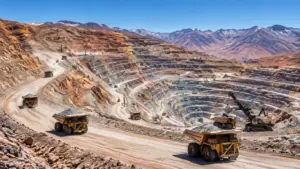
The majority of copper mined today comes from primary copper sulfide ores. These ores are processed in two steps: first, they are concentrated into a usable form, and then refined in smelters at extreme temperatures. The smelting process generates toxic byproducts like lead and arsenic, along with substantial carbon emissions.
In Arizona, copper smelters have devastated local ecosystems and polluted communities, particularly those near Native American reservations. Jim Pew, a director at environmental law firm Earthjustice, calls the consequences of smelting “permanent contamination.” Furthermore, the energy-intensive nature of smelting makes it increasingly uneconomical as ore grades decline, creating a looming supply gap.
Goldman Sachs estimates that the top five copper miners globally hold billions of tons of low-grade primary sulfide ores—potentially enough to offset a forecasted 5–6 million ton shortfall in the next decade. However, traditional methods are ill-equipped to economically or sustainably extract copper from these deposits. The need for cleaner and more efficient copper refining technologies has never been more urgent.
Related News
- Copper Supply Gap Fuels M&A Frenzy in Mining Sector Amid Energy Transition
- China Opens Copper Blending Sector to Private Firms Amid Supply Shortages
- Copper Prices Soar, Then Stumble: A Snapshot of Market Dynamics
- Copper Prices Surge as China’s Economic Recovery Fuels Investor Optimism
Promising Alternatives: Emerging Technologies for Clean Copper Extraction
Heap Leaching
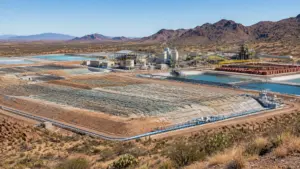
A method already in use for weathered copper ores, heap leaching involves piling crushed ore into heaps and spraying them with acid, which dissolves the copper for extraction. While effective for certain ores, traditional heap leaching struggles with the more chemically resistant primary sulfides that dominate untapped reserves.
More Read
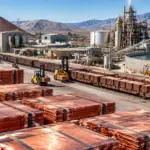
Startups like Ceibo and Jetti Resources are advancing heap leaching with proprietary innovations. Jetti, based in Colorado, employs a catalyst that alters the surface chemistry of minerals, enabling acid to penetrate and extract copper more effectively. Its technology is already in commercial use, doubling copper production at some sites.

Meanwhile, Chilean startup Ceibo tweaks variables like pH and oxygen concentration to optimize leaching for diverse ore types. Backed by $36 million in venture funding, Ceibo has partnered with Glencore to pilot its technology in Chile’s Atacama Desert. These methods promise a more sustainable approach to clean copper extraction, but recovery rates still lag behind, typically capturing only 40–80% of available copper over months of processing.
Electrochemical Reductive Leaching
Newer technologies, like Still Bright’s electrochemical reductive leaching, aim to overcome these limitations. Using a liquid vanadium solution, Still Bright extracts copper from sulfide ores in minutes rather than months. The process occurs at ambient temperatures, avoiding the air pollution and high carbon emissions of smelting. The company claims its method can recover up to 99% of copper, significantly outperforming traditional leaching.
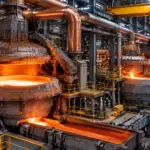
Still Bright is focusing initially on hard-to-process ores and mine waste but envisions scaling up to replace smelting for high-grade ores. “You can extract copper really easily and really quickly,” said Carter Schmitt, Still Bright’s chief of staff. While promising, the technology remains at the lab scale, with commercial pilots targeted for 2026. These cutting-edge copper refining technologies could pave the way for cleaner, faster, and more efficient production methods.
The Road Ahead
Despite their potential, these technologies face significant hurdles. Scaling up from laboratory tests to commercial operations is a costly and uncertain process. Additionally, even the most advanced methods leave unaddressed the broader environmental and social costs of copper mining—such as habitat destruction, water depletion, and impacts on Indigenous communities.
Some experts view the surge in clean-tech investments skeptically, pointing out that many mining giants funding these startups, such as Rio Tinto and BHP, continue to face criticism for their environmental and social practices. “It’s noteworthy that these firms are branding resource extraction as a climate solution,” said Thea Riofrancos, a political scientist who studies the nexus of mining and climate policy.
Nonetheless, the convergence of mining innovation and the energy transition presents a unique opportunity to reimagine copper production through clean copper extraction. For investors, miners, and environmentalists alike, the stakes couldn’t be higher.