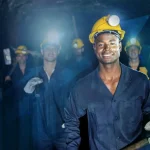
By overcoming obstacles and leveraging their talents, women can contribute not only to the economic growth of the mining industry but also to the emancipation of local communities and the achievement of broader development objectives.

Historically, the mining industry has been dominated by men, with women facing numerous barriers to entry. In the sector, social norms, cultural factors, and a lack of access to resources have limited women’s employment and leadership opportunities. As a result, they have frequently been excluded from the industry’s expansion and marginalized.
However, the narrative is progressively shifting, and various stakeholders are beginning to recognize the significance of gender equality and women’s participation in the mining industry. Governments, mining corporations, and civil society organizations are collaborating to implement policies and programs that promote women’s empowerment and participation.
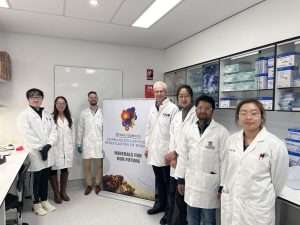
Education and talent development are crucial strategies for promoting women’s participation in the mining industry. By increasing women’s access to quality education and technical training, they can acquire the knowledge and skills required for a variety of positions in the sector. Initiatives focusing on STEM (Science, Technology, Engineering, and Mathematics) education for girls are being implemented to encourage their interest and pursuit of careers in mining-related disciplines.
Promoting gender diversity in the workplace is an additional important aspect of empowering women in the mining industry. Increasingly, mining companies are implementing gender-inclusive recruitment practices, promoting equal opportunities for women at all levels, and establishing policies that address the unique requirements and challenges faced by female employees. The introduction of flexible work arrangements, mentorship programs, and leadership development initiatives will foster an inclusive and supportive work environment.
In addition, empowering women through entrepreneurship and access to capital is essential for their participation in the mining industry. Initiatives that provide women with the resources, capital, and training necessary to establish and expand their own enterprises within the industry are supported. This allows women to have a larger stake in the mining value chain, contribute to local economic development, and increase their economic autonomy.

Recognizing that women’s empowerment extends beyond the workplace, efforts are being made to incorporate gender considerations into mining-related community engagement and development initiatives. This includes assuring women’s participation in decision-making processes, that their voices are heard, and that their priorities are considered. By actively involving women in community development initiatives, the mining industry can contribute to the improvement of social cohesion and the promotion of inclusive and sustainable development in adjacent communities.
In the mining industry, the position of women extends beyond employment opportunities. Frequently, women perform a crucial role in providing for and protecting their families and communities. The mining industry can positively impact societal wellbeing by empowering women. This includes enhancing access to healthcare, education, and other social services, as well as promoting gender equality and women’s rights in general.
The involvement of women in the African mining industry is increasingly acknowledged as a crucial driver of inclusive growth and sustainable development. Efforts are currently ongoing to empower women and encourage their participation in the sector, with an emphasis on education and skill development, gender diversity in the workplace, entrepreneurship and access to capital, and community engagement. By unlocking women’s potential in the mining industry, not only can economic development be stimulated, but also women’s empowerment and the advancement of local communities can be realized. Adopting gender equality and inclusion will not only benefit the mining industry but also contribute to Africa’s larger development goals.
Addressing Gender Disparities: Challenges Facing Women in the African Mining Industry
The African mining industry, a key driver of economic growth and development on the continent, continues to encounter obstacles to achieving gender equality and empowering women. Women in the African mining industry continue to face numerous obstacles that impede their participation, advancement, and overall representation, despite recent gains. This article seeks to highlight some of the challenges faced by women in the African mining industry and the efforts being made to address these disparities.
There are fewer opportunities for women to enter the mining industry at the entry level, where gender disparities commence. Societal and cultural biases that discourage women from pursuing careers in mining perpetuate the stereotype that mining is a male-dominated field. mining. Consequently, women encounter greater obstacles when it comes to gaining access to education, training, and employment opportunities in the industry.
The prevalence of gender-based violence and harassment is a significant obstacle for African women in the mining industry. With its remote locations and predominantly male personnel, the mining industry creates an environment in which such incidents are more likely to occur among women. This impacts not only their physical and mental health but also their capacity to completely participate in and contribute to the industry.
In addition, women in the African mining industry frequently face obstacles involving unequal pay and limited career advancement opportunities. According to studies, women are typically compensated less than men for doing the same work. In addition, they frequently encounter obstacles in gaining access to managerial and leadership positions, with few opportunities for sponsorship and mentoring. This lack of representation and recognition hinders women’s ability to advance in their professions and participate in industry decision-making processes.
You might be interested in
- Aterian Positions Itself for Global Growth with Rwanda as a Trade Hub
- Removing Fuel Subsidies: Unleashing Potential and Overcoming Challenges in African Countries
- Botswana Seals Improved Agreement with De Beers, Bolstering Diamond Production Share
- Africa’s Mining Sector: Unleashing the Untapped Potential
- African Mining Sector Attracts Continued Acquisitions and Investments from Mining Companies
The dearth of adequate infrastructure and support systems is another significant obstacle for women in African mining. Frequently, mining operations are situated in remote locations with insufficient housing, childcare facilities, and healthcare services. This presents significant obstacles for women, who may be forced to leave their families behind or struggle to reconcile work and family obligations. The lack of family-friendly policies and support systems exacerbates the challenges women face in the industry.
In the African mining industry, efforts are ongoing to address these gender disparities and promote greater gender equality. Governments and industry stakeholders have instituted initiatives to increase the representation and participation of women in the industry. This includes providing women with scholarships, grants, and training programs to increase their access to education and employment opportunities in the mining industry.
Moreover, industry associations and mining companies are recognizing the significance of gender diversity and inclusion more and more. They are instituting policies and programs to address gender inequalities, promote a safe and respectful workplace, and increase women’s opportunities for career advancement. These initiatives seek to create a more inclusive and equitable industry that capitalizes on women’s talent and expertise.
Furthermore, mining companies, civil society organizations, and communities are forming partnerships and collaborations to support women in the mining industry. These partnerships concentrate on empowering women through the development of skills, training in entrepreneurship, and access to financial resources. In addition, mentoring and networking opportunities are being developed to help women develop supportive relationships and surmount obstacles to career advancement.
To address the challenges associated with gender-based violence and harassment, the mining industry is increasingly recognizing the need for comprehensive policies and programs. Efforts are being made in collaboration to raise awareness, provide training on prevention and response, and establish reporting mechanisms so that incidents are addressed and survivors receive the necessary support and justice.
The African mining industry continues to struggle with gender disparities and obstacles women encounter. While progress has been made, additional concerted efforts are required to address issues such as limited entrance opportunities, gender-based violence, unequal pay, limited career advancement, and inadequate infrastructure and support. The mining industry can work toward attaining greater gender equality and empowering women by implementing comprehensive policies, providing targeted support and training programs, and fostering partnerships. It is essential to acknowledge that facilitating women’s full participation and representation will not only benefit individuals but will also contribute to the sustainable development and success of the African mining industry as a whole.