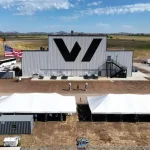
Ghana has inaugurated its first-ever gold refinery, marking a significant milestone in its long-standing mining industry. This development came after centuries of gold mining, during which Ghana was one of the world’s largest gold producers but lacked the facilities to refine its gold.

The gold refinery, located in the capital city of Accra, is expected to process up to 100 kilograms of gold per day. This facility is a joint venture between the Ghanaian government and a private investor, aiming to boost the local economy by adding value to the raw gold mined in the country. By refining gold domestically, Ghana seeks to retain more of the profits from its natural resources, which have historically been exported in raw form.
Economic and Strategic Implications of gold refinery in Ghana
The establishment of the refinery is anticipated to have broad economic implications for Ghana. It is expected to create jobs, enhance the country’s gold value chain, and increase government revenues through taxes and royalties. Moreover, it aligns with the government’s broader strategy to industrialize the economy and reduce dependency on raw commodity exports.
The move is also seen as a strategic effort to strengthen Ghana’s position in the global gold market. By refining gold locally, Ghana can ensure higher quality standards and potentially command better prices on the international market. This could enhance the country’s reputation as a reliable source of refined gold.
- Investor Backlash Leads Glencore to Abandon Coal Spin Off Plans
- Caterpillar’s Stock Soars 4.5% After Record Profits Despite Lower Sales Volume
- Cornish Metals Secures $4.5M Sale of Royalties on Key Canadian Tungsten Projects to Elemental Altus Royalties
- BHP and Lundin Mining’s $3 Billion Acquisition: A Game Changer for the Copper Market
Environmental and Regulatory Considerations
While the economic benefits are clear, the refinery’s operation raises important environmental and regulatory considerations. The Ghanaian government has emphasized its commitment to sustainable mining practices and has implemented stringent environmental regulations to minimize the impact of the refinery on the local ecosystem. These measures are crucial in balancing economic growth with environmental protection.
More Read
Regional and Global Context
Ghana’s move to open its first gold refinery is part of a broader trend in Africa, where several countries are seeking to add value to their mineral resources. This trend is driven by a desire to capture more economic benefits from natural resources and reduce reliance on foreign processing facilities.

Globally, the gold market has seen fluctuations due to economic uncertainties and geopolitical tensions. Ghana’s new gold refinery, however, provides a stable supply of refined gold, positioning the country to navigate these challenges better.