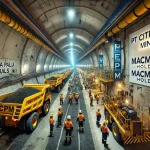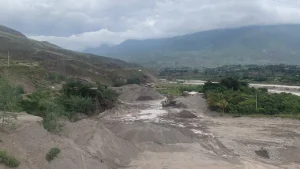
The Greenland mining industry is rich in mineral resources, including rare earth elements, uranium, and precious metals. However, despite its vast reserves, mining in Greenland has struggled to take off due to harsh environmental conditions, regulatory hurdles, and geopolitical concerns. While some view mineral extraction as a pathway to economic independence, the challenges remain significant.

A History of Mining in Greenland
Greenland’s mining industry has a long history, with the most notable success being the Ivittuut cryolite mine. Discovered in 1799, Ivittuut was home to the world’s only commercially viable cryolite deposit, a mineral essential in aluminum production. Mining operations continued until the 1980s when the deposit was exhausted. This historical success demonstrated the potential of Greenland’s mineral resources.
However, modern mining efforts have not replicated this success. Companies looking to establish large-scale mining operations in Greenland face a range of difficulties, from logistical challenges to local opposition.
Related News
- MINEXCHANGE 2025 Conference Highlights Mining’s Shift Toward Sustainability and Innovation
- Thiess Prioritizes Abatement Over Offsets in Fleet Decarbonization Strategy
- PDAC 2025 Sparks Global Momentum for Critical Minerals and Mining Investment
- Iron Ore Price Volatility Rattles Global Markets Amid New Tariffs and Weak Demand
Why the Greenland Mining Industry Struggles to Take Off
Despite renewed interest in Greenland’s vast mineral wealth, several obstacles prevent the industry from flourishing:
1. Harsh Arctic Conditions
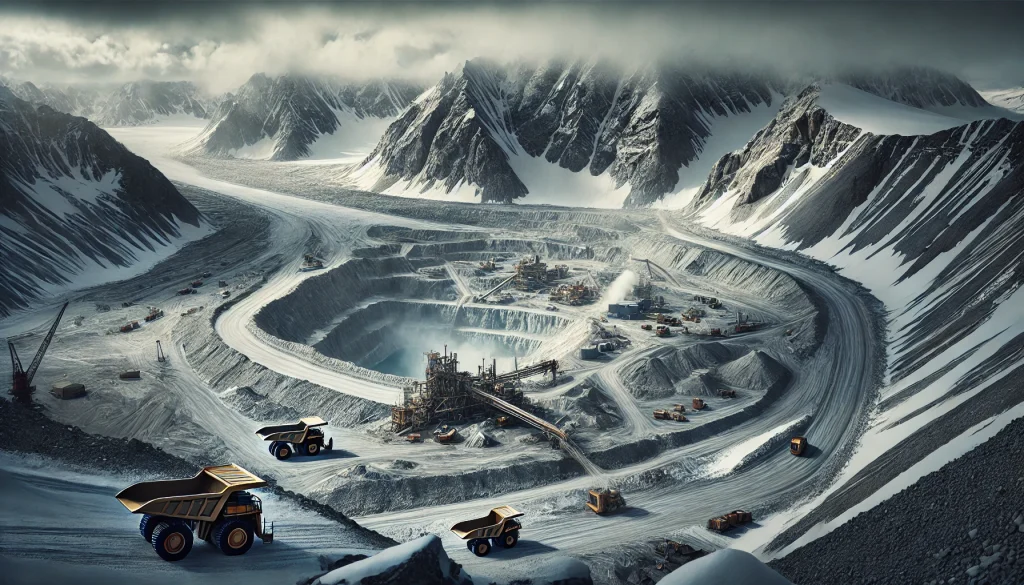
Greenland’s Arctic climate makes mining operations extremely challenging. Harsh weather, ice cover, and limited daylight during winter months increase operational costs and limit extraction efforts. Infrastructure development in such conditions is both expensive and time-consuming.
2. Lack of Infrastructure
The Greenland mining industry faces logistical hurdles due to the island’s limited infrastructure. With few roads, ports, and power facilities, mining companies must invest heavily before extraction can even begin. This lack of infrastructure slows down development and makes investment less attractive.

3. Regulatory and Political Barriers
Greenland’s strict environmental laws pose another major challenge. Public opposition has halted several mining projects over concerns about environmental damage. For example, a proposed rare earth and uranium mine near Narsaq was blocked due to fears of toxic waste, leading to disputes between the Greenlandic government and investors.
4. Global Market Competition
Greenland faces stiff competition from countries like China, which dominates the rare earth market. While Chinese companies have expressed interest in Greenland’s mineral resources, concerns about foreign influence have led to careful scrutiny by Greenlandic authorities. Western countries, particularly the U.S. and the EU, are also interested in Greenland’s minerals as part of efforts to reduce dependence on China.
Greenland’s Mining Potential and Independence Aspirations
Greenland’s vast mineral wealth has led to geopolitical interest. In 2019, former U.S. President Donald Trump expressed interest in purchasing Greenland, bringing global attention to the island’s strategic importance. Many Greenlanders see mining as a way to achieve economic independence from Denmark, which currently provides financial subsidies to the territory.
However, achieving full economic independence through the Greenland mining industry alone remains uncertain. Mining revenues would need to replace Denmark’s financial support, which makes up a large portion of Greenland’s economy. Balancing economic growth with environmental sustainability is another challenge that Greenland must address.
Future Prospects for the Greenland Mining Industry
Despite the challenges, there is cautious optimism about the future of Greenland’s mining sector. Several factors could support its growth:
- Technological Advancements: New mining technologies could reduce environmental risks and improve extraction efficiency, making Arctic mining more feasible.
- International Partnerships: Greenland could attract foreign investment from countries looking to diversify their rare earth supplies away from China. Strategic partnerships with the U.S. and the EU could provide financial and technical support.
- Sustainable Mining Practices: Emphasizing environmentally responsible mining could help Greenland align with global sustainability goals while easing public concerns.
The Greenland mining industry holds great potential, but its growth is hindered by environmental, political, and logistical challenges. While mineral extraction could provide a path to economic independence, the island must carefully balance resource exploitation with sustainability. As interest in Greenland’s minerals continues to rise, the future of its mining sector will depend on strategic investments, technological advancements, and responsible policymaking.